
Last updated November 22, 2026
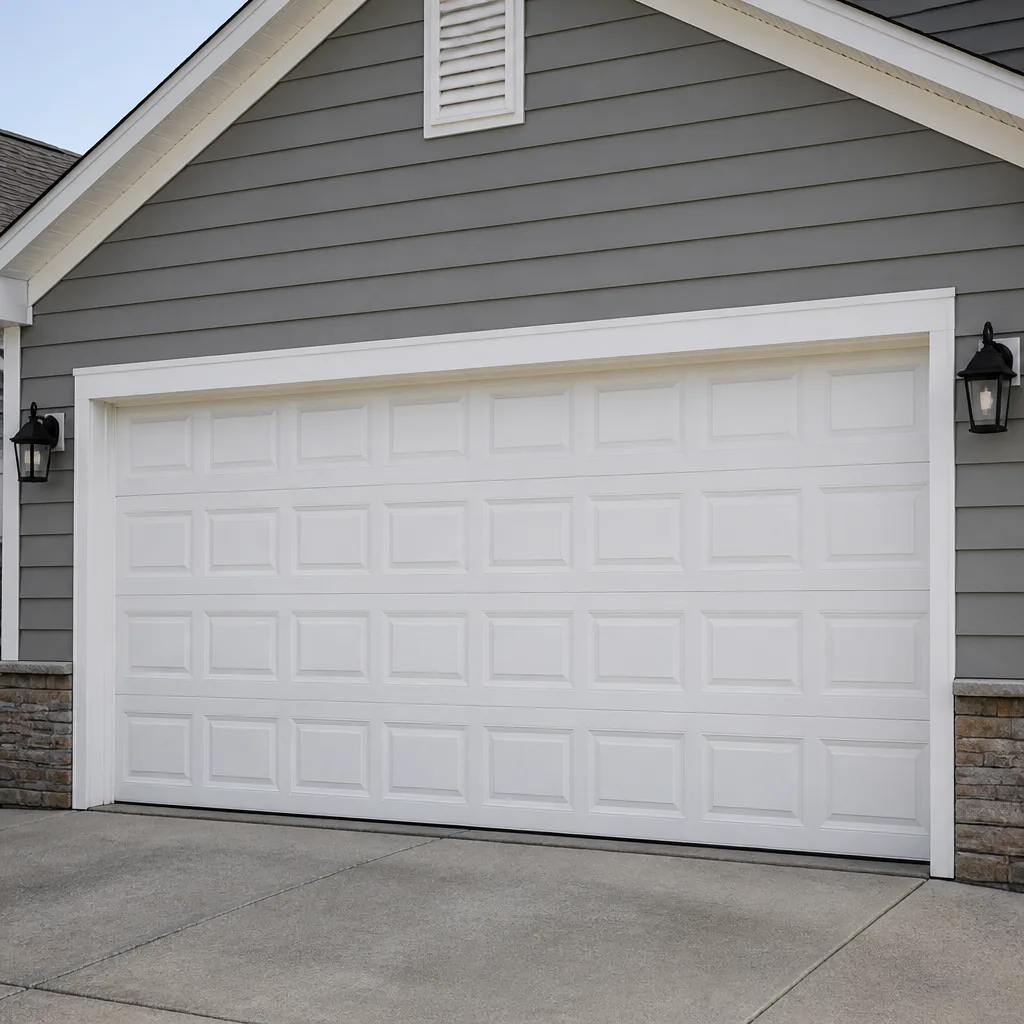 Raised-panel steel
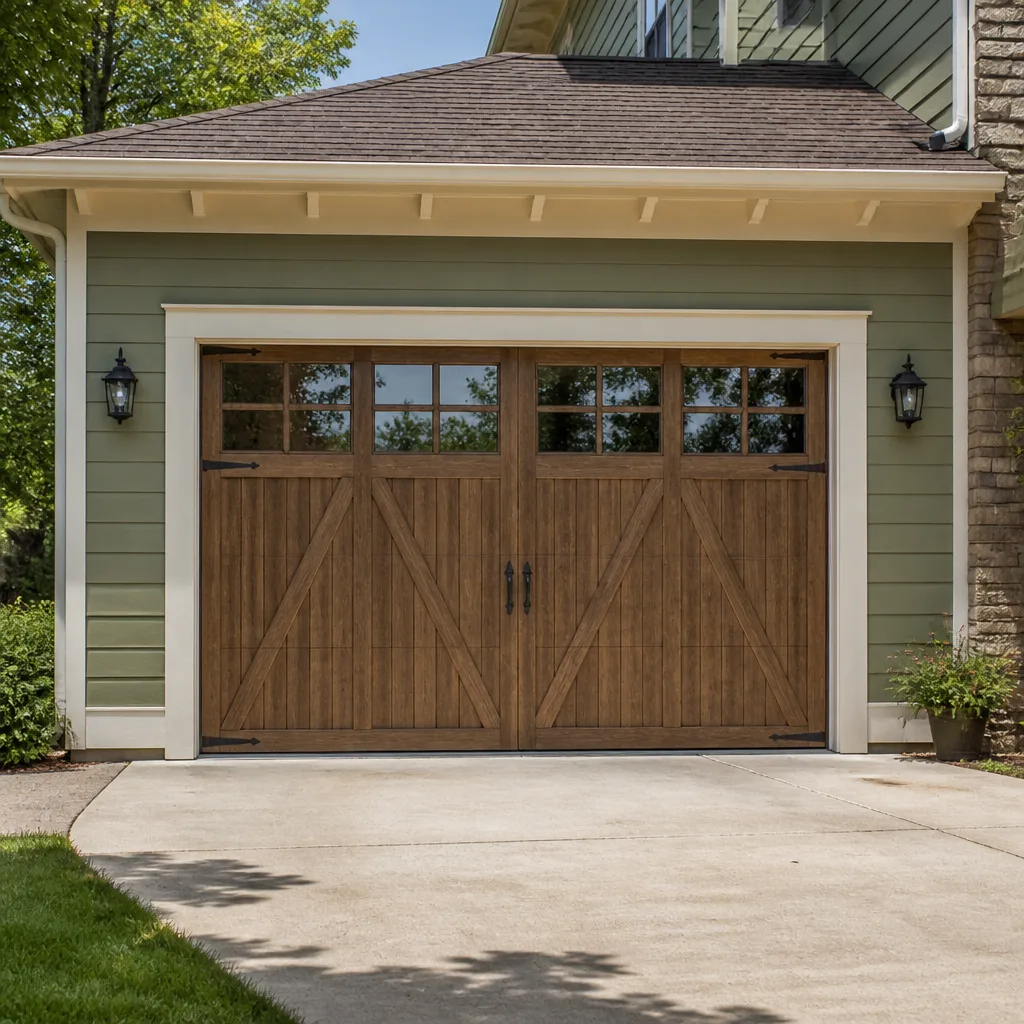 Carriage house
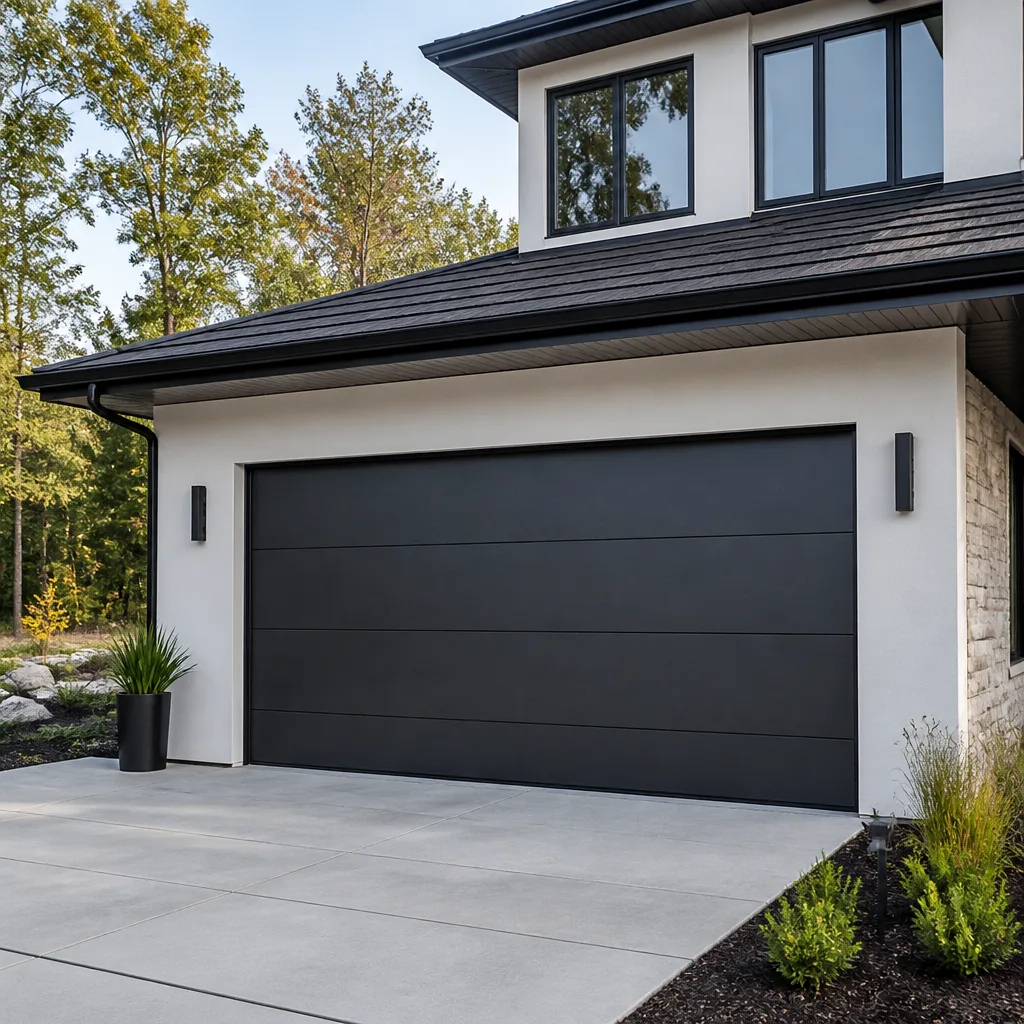 Modern flush
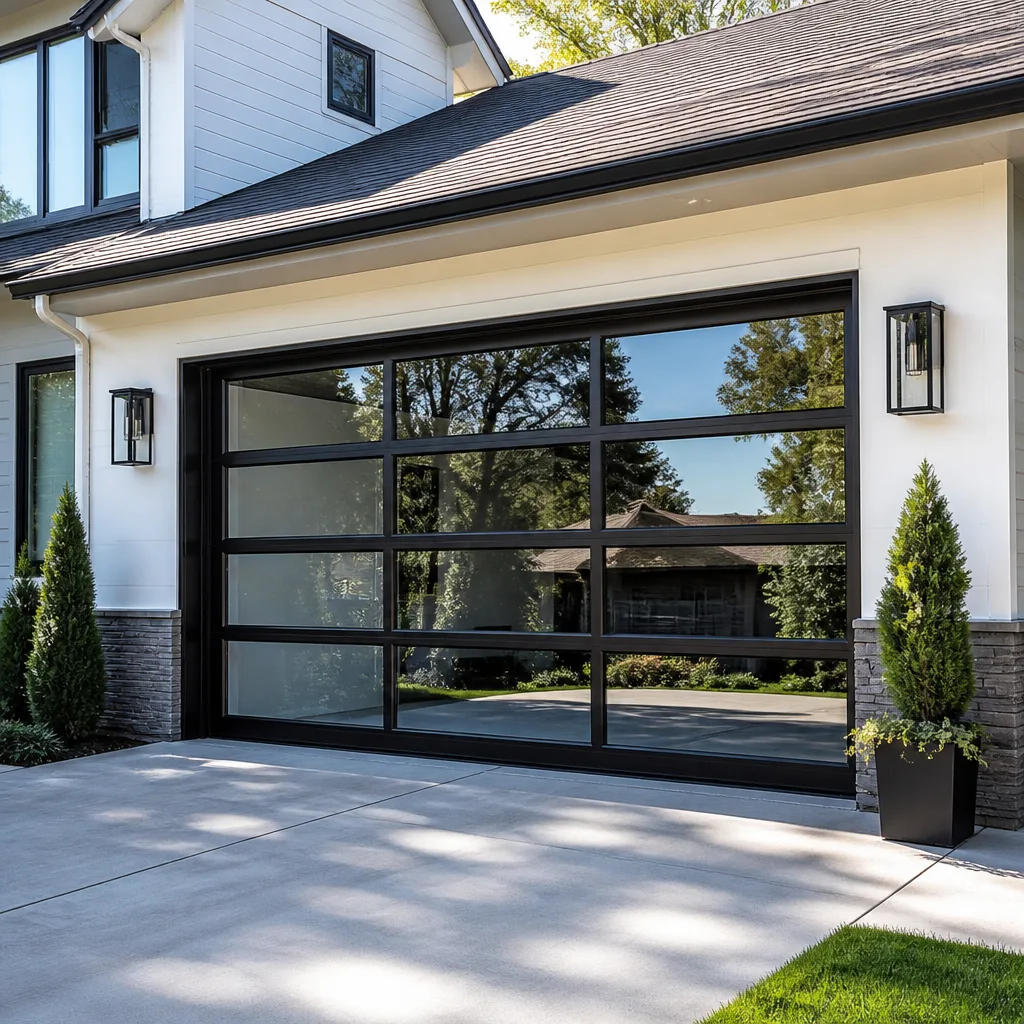 Full-view glass
 LiftMaster openers
 Chamberlain openers
Full 25-point door and opener safety check with every visit - springs, cables, rollers, tracks, and your LiftMaster or Chamberlain opener included
You get a price before we start. It does not change when the pro arrives.
Get your free estimateGarage Door Warning Signs: A Washington Park Homeowner’s Reference Guide
A garage door that takes three seconds longer to close than it did six months ago is not “getting old.” It’s a measurable sign that spring tension is dropping, the opener is compensating, and both are closer to failure than most homeowners realize. Garage doors rarely fail without warning. They produce specific sounds, movements, and timing irregularities days or weeks before they stop working, and each symptom maps to a particular component. This guide decodes those signals for Washington Park homeowners, so you can schedule a repair before the door quits at 6 AM in January. You’ll learn which noise points to which part, how to time your door against a baseline, and when a symptom is cosmetic versus critical.
Quick Answer
The key garage door warning signs are a grinding or popping sound during travel, a door that reverses before closing, visible gaps or bowing in the middle of a panel, rust streaks on the springs, weatherstripping that no longer touches the floor, and any change in open or close time of roughly 20 percent or more. Each points to a different component: rollers, cables, springs, panels, or the opener’s safety sensors. A trained technician can diagnose which one is failing before the door strands you, and the fix is usually cheaper when caught early. Garage doors are all we do, and we’ve worked on every symptom in this guide across Washington Park.
Styles & brands we work with
- Raised-panel steel
- Carriage house
- Modern flush
- Full-view glass
- LiftMaster openers
- Chamberlain openers
Table of Contents
- What the Sounds Tell You: Mapping Noise to Component
- Movement Symptoms: Bow, Bind, and Balance
- How to Time Your Door and Read the Results
- Colorado-Specific Warning Signs: Rust, Panels, and Weatherstripping
- Opener Behavior Changes You Can Hear From Inside
- Spring Warning Signs: When to Stop Using the Door
- The Quick Visual Walk-Around
- Frequently Asked Questions
What the Sounds Tell You: Mapping Noise to Component
Noise is the most reliable early warning a garage door gives, but “unusual noise” is useless advice. You need to know which noise belongs to which part, because a grinding door needs different work than a popping one, and a banging door is an emergency. Here’s how to separate them.
Grinding during travel
A steady grinding or scraping sound as the door moves up or down almost always points to worn roller bearings or a dry torsion tube. As bearings wear, the steel roller stem grinds against the track. You can often spot the culprit by looking for metal shavings on the track or rust-colored dust near a hinge. On a Washington Park door that’s seen a few dry summers, dry hinge pivots and worn nylon rollers are the usual suspects.
Popping or snapping, once per cycle
A single pop when the door starts moving usually means the cable is jumping on its drum. The cable has either come off the drum or slipped a layer, and it re-seats with a snap. This is a repair, not a lubrication issue, and it tends to get worse until the cable fails entirely. Stop cycling the door if the pop repeats.
Banging, and the door still runs
A loud bang followed by the door becoming suddenly heavy or dropping fast means the spring has failed. Sometimes a spring breaks and the door keeps cycling on the remaining spring or the opener motor, making a scraping bang each cycle as the broken spring piece fights the tube. This is a stop-use situation because operating on a broken spring overstresses the opener and cables.
Rattling at rest
A constant low rattle that appears when the door fully closes or fully opens usually means loose hinge bolts or a slack chain in a chain-drive opener. The fix is a torque check and a chain tension adjustment, both quick. Left alone, a slack chain can jump the sprocket on a LiftMaster or Chamberlain unit and jam the operator mid-stroke.
Squeal or squeak
A high-pitched squeal is usually a dry spring, dry rollers, or a worn bearing plate, and it’s one of the easiest sounds to fix with proper lubrication. It’s also the friendliest of the warning signs, because it gives you months of lead time before anything fails.
If you’re not sure which sound you’re hearing, our garage door repair team can diagnose it on a visit, identify which part is worn, and quote the fix before touching anything.
Movement Symptoms: Bow, Bind, and Balance
How a door moves is as telling as how it sounds. Watch it through a full cycle with the garage lights on. A door that moves straight and even is healthy; a door that bows, binds, or hesitates is telling you exactly which part is failing.
The bow in the middle
If a door bows inward at the center as it rises, most homeowners assume the opener is weak. It usually isn’t. The real cause is a broken or sagging center support strut or a bent section of the bottom panel. The opener is doing its job, and replacing it would be the wrong repair. On a wide double door, especially an older Wayne Dalton or Raynor, the center strut carries much of the load, and when it fatigues, the panels flex.
The door that stops halfway up
A door that pauses at the same point every cycle has a track misalignment, a roller that’s jumped the track, or a failing spring. Run your hand lightly along the vertical track near the stall point (door closed, opener off) and feel for a kink. If it’s clean, the spring is the more likely culprit.
The door that drifts or won’t stay open
Disconnect the opener (pull the manual release with the door down and hold it partway open) and see if the door balances at the halfway point. A healthy door holds itself there. A door that wants to fall hard is telling you the spring tension is off. This balance test is one of the clearest diagnostics you can do at home.
Tracking and gap symptoms
- Door hugs one side of the frame: track is out of plumb.
- Visible gap between the door and the jamb: track has shifted or roller stems are worn.
- Panels that don’t line up: hinge plate worn or section bent.
- A door that slams the last few inches closed: springs are undersized or fatigued.
Do not force a binding door up or down by hand, and never try to adjust a torsion spring or cable yourself. Torsion hardware stores enormous energy, and a slip can cause serious injury. Leave spring and cable work to a trained professional, and call us if you suspect either.
How to Time Your Door and Read the Results
Timing a garage door is the diagnostic most homeowners never think to try, and it’s the best baseline you can keep. It takes two minutes and a stopwatch, and it turns “the door feels slow” into a number you can compare month over month.
How to establish a baseline
- Stand outside the door with a stopwatch or phone timer, door closed, opener engaged.
- Press the wall button and start the timer. Stop when the door is fully open.
- Record the number. Repeat twice more and average.
- Record the close time the same way, from fully open to the seal.
- Write the numbers on the frame with a pencil or store them in your phone notes.
What a change in time means
A healthy door usually opens and closes at a fairly steady pace. If the open time has gotten longer by roughly 20 percent or more, the springs are losing tension and the opener is making up the difference. That added workload is what kills openers prematurely, and it’s what we see most often in Washington Park garages heading into a cold Colorado winter.
Slower open with a faster close points to worn springs. Slower both ways points to the opener motor or a tight track. Faster close with a heavier-feeling door points to spring failure that’s already happened.
Track the numbers over seasons
Springs weaken with every cycle, and Colorado’s big temperature swings (a mild October, a 15-degree January) accelerate fatigue. If your door is measurably slower in December than it was in October, that’s spring fatigue, not imagination, and it’s the ideal time to book a garage door repair before the spring goes.
Colorado-Specific Warning Signs: Rust, Panels, and Weatherstripping
Washington Park sits on the Front Range, and our climate leaves a distinct fingerprint on a garage door. Wet springs, hot dry summers, and repeated freeze-thaw cycles show up in specific places most generic “warning signs” guides never mention. Learn to read them.
Rust streaks on the springs
After a wet Colorado spring, oil tempered torsion springs start to show orange rust streaks and pitting. Rust on a spring weakens it from the inside, and a rusting spring can snap without any other warning. Clean the springs, watch for fresh rust each spring, and have them tested if they’re pitted.
Panel joint separation from thermal cycling
Steel and wood respond differently to heat, and on a Colorado door the vertical panel seams may open a hairline gap in August and close by November. That’s normal. A gap that stays open year-round, or widens at the bottom panel where moisture collects, means a hinge or the panel itself has failed and needs replacement.
Weatherstripping that no longer seals
Freeze-thaw cycles push the slab and driveway up and down, and the bottom of a Washington Park garage door is often a half-inch out of contact with the floor. A simple finger test (slide a finger under the seal from inside, closed) will tell you. A gap that shows daylight or lets in a draft also lets in cold air, mice, and water, and worth replacing.
The panel that catches wind
Washington Park’s afternoon wind gusts put a load on the door’s wind struts. If a section of door flexes visibly during a gust, a wind strut or structural brace may be missing or loose on that section. On doors from Clopay or Amarr installed without wind reinforcement, this becomes obvious. It’s worth an inspection even if the door works.
Cold-morning stiffness
A door that feels sluggish only during the first cold snap of the year is likely running on thickened grease or slightly tight springs. But if the stiffness doesn’t ease as the door cycles, it’s the spring, and it’s telling you it’s time for a service visit. Our technicians have up to 12 years of experience reading exactly these seasonal symptoms in Washington Park.
Opener Behavior Changes You Can Hear From Inside
The opener is the most visible part of your door system, and its misbehavior is often the first thing a homeowner notices. But not every opener symptom means the opener is at fault. Here’s how to tell when the problem is the operator and when it’s the door or sensors talking.
Reversing before fully closing
An opener that closes most of the way then reverses is usually responding to its safety sensors, not failing. The sensors have lost alignment, often because the slab shifted or the sun is blinding one sensor. Fix the sensor alignment first before replacing the opener: check for obstructions, wipe the lenses, and confirm the indicator light on each sensor is stable, not blinking.
Opening but not closing (or the reverse)
If the door moves one direction but not the other, suspect a limit switch setting, a wiring issue at the wall button, or a saftey-reverse trip. On Chamberlain and LiftMaster units, the battery-backup feature can also present as odd motor behavior when the battery is dying. That’s a known quirk worth checking before diagnosing the motor.
Motor runs but door doesn’t move
If you hear the opener motor running but the door stays put, the drive gear, chain, or belt has failed, or the manual release has been pulled. Confirm the manual release is engaged first, then check the belt or chain. A stripped nylon drive gear (common on older 1/2-horse units) makes a classic grinding-hum sound without moving anything.
Loud clunking from the rail
A chain-drive opener that clunks is usually slack in the chain. A belt-drive can develop a squeal when the belt tensioner wears. Both are fixable, and neither requires replacing the whole operator. If you’re not sure which brand you have, call and tell us what the unit looks like and where the light is, and we can often identify it before we arrive, which is half the value of a brand-focused specialist.
Our garage door opener repair team works on LiftMaster, Chamberlain, Genie, Craftsman, and other openers you already own, so we arrive knowing the quirks of the model.
Spring Warning Signs: When to Stop Using the Door
Springs are the one component on a garage door that can genuinely hurt you, and they are also the part most likely to fail without a garage door catastrophe first. If any of the following appear, stop using the door and call a specialist.
- A sharp, heavy bang from inside the garage and the door suddenly hard to lift by hand.
- A visible gap in the torsion spring coil (the spring is in two pieces).
- Rust streaks and pitting on the coil, especially at the center.
- The door drifts closed when you lift it halfway and let go.
- The opener strains and the opener light dims as it starts.
- A door that has become noticeably heavier to lift manually than it was a year ago.
Never try to remove, adjust, or “unwind” a torsion spring yourself. The stored energy in a wound spring can cause severe injury in a fraction of a second, and a cable that snaps under that load is equally dangerous. Spring work is a job for a trained technician with the correct winding bars and safety gear.
Our technicians have up to 12 years of experience with spring repair across Washington Park, and we treat it as a dedicated service, one of the highest-skill jobs on a garage door and one many general contractors decline. If you suspect a spring failure, call (866) 369-6074. We answer 24/7. Fast dispatch from 7am to 7pm, Sunday through Friday.
The Quick Visual Walk-Around
Most warning signs that aren’t audible show up in a five-minute walk-around. Do this once a season, especially after a cold snap. Here’s the order to check, from easiest to most involved.
- Bottom seal: door down, check for daylight under the rubber. Slide a finger under it from inside.
- Springs: look along the coil above the door for gaps, rust, or fresh pitting.
- Cables: both sides should be under tension, not slack, not frayed, and not off the drums.
- Rollers: look for flat spots, wobble, or metal shavings in the track.
- Panels: check for vertical seams that stay open, dents at the bottom, or a bow in the middle.
- Opener rail: chain or belt should be taut, not sagging.
- Sensors: lights on both sides should be steady, not blinking.
- Track: run your hand lightly along the vertical and horizontal track for dents or misalignment.
Write down anything that fails this check, take a photo, and bring it to the call. Our team can identify the specific part number you need in most cases and often has the replacement on hand when we arrive, which is what “parts on hand, not on order” means in practice.
See the difference
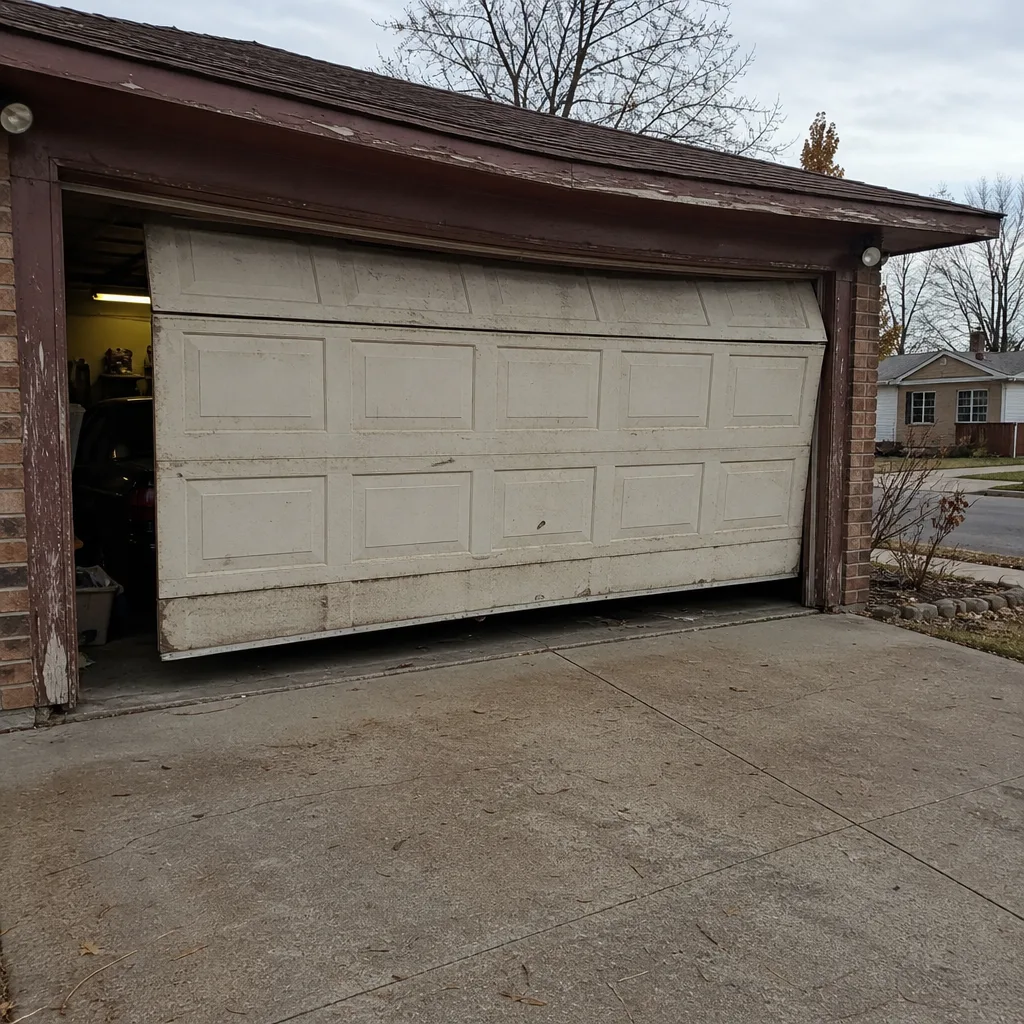 Before
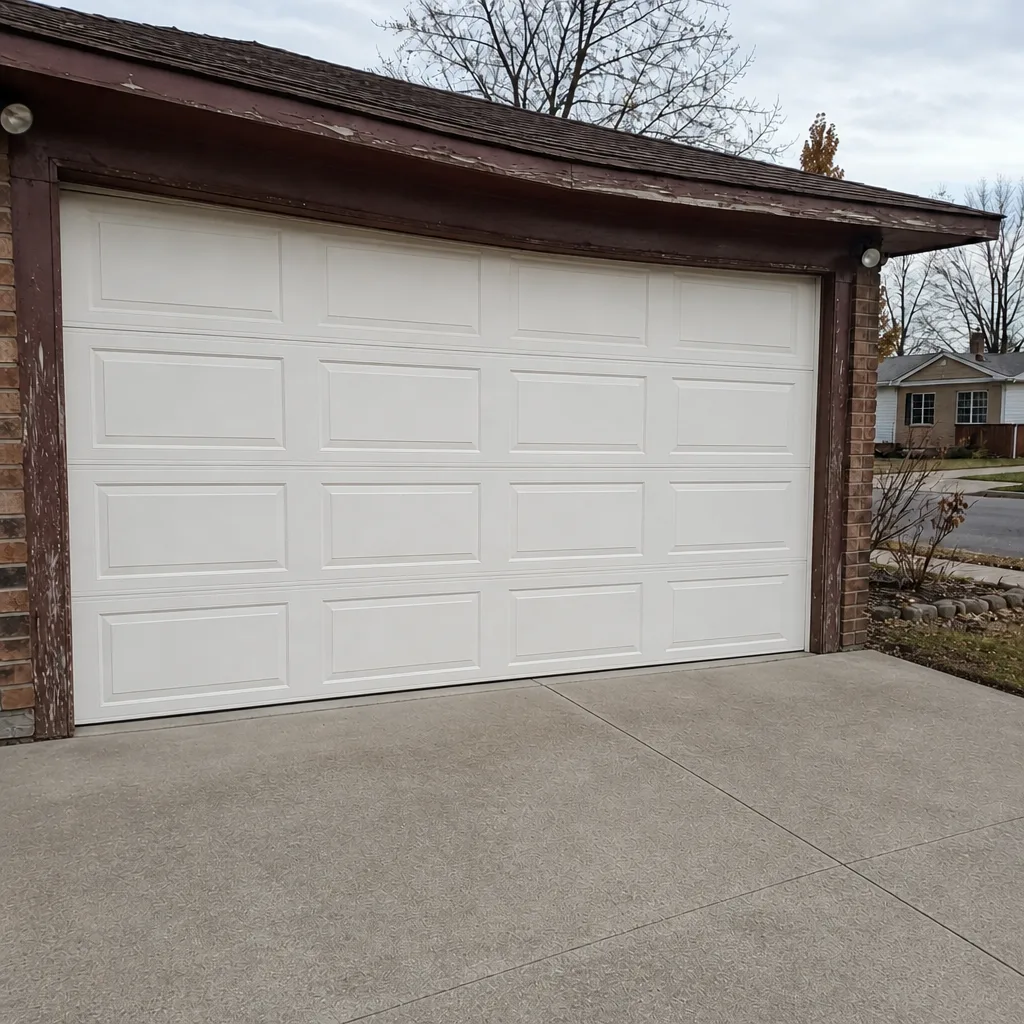 After
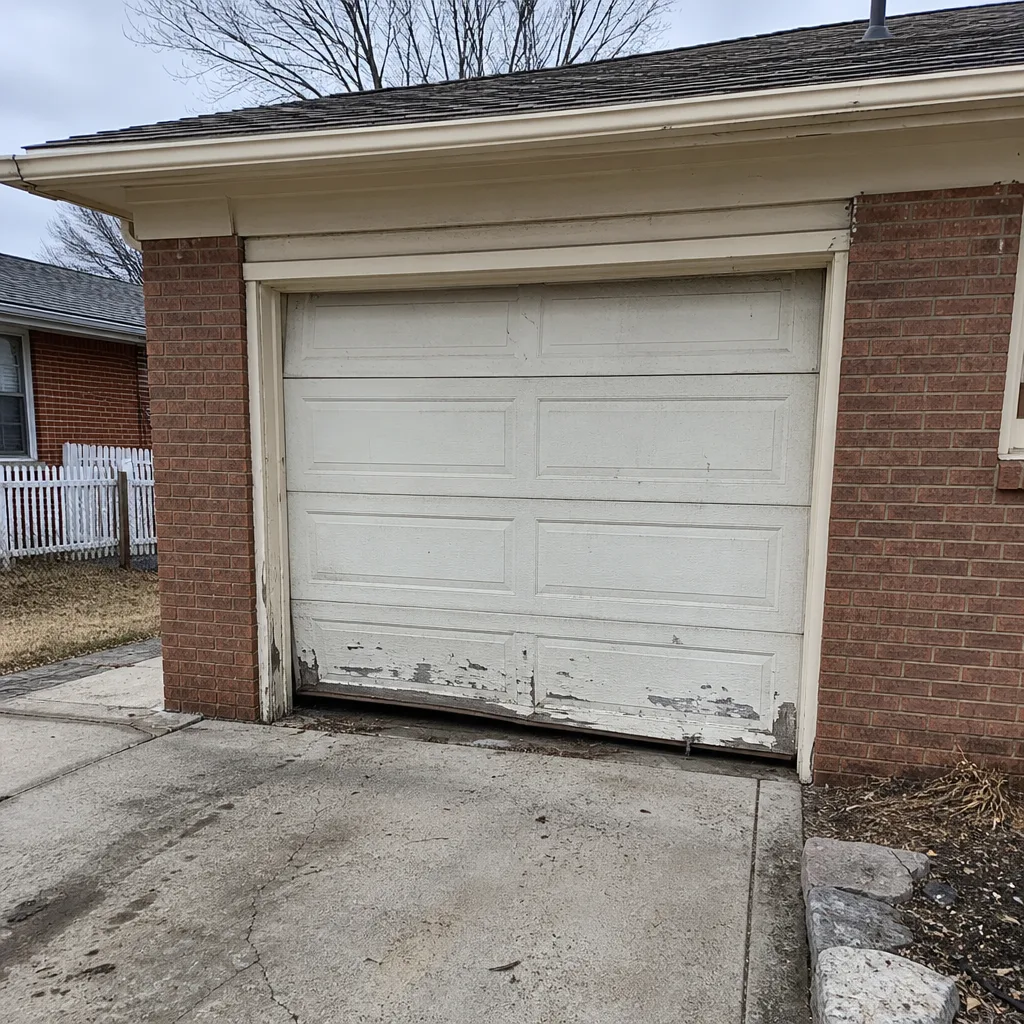 Before
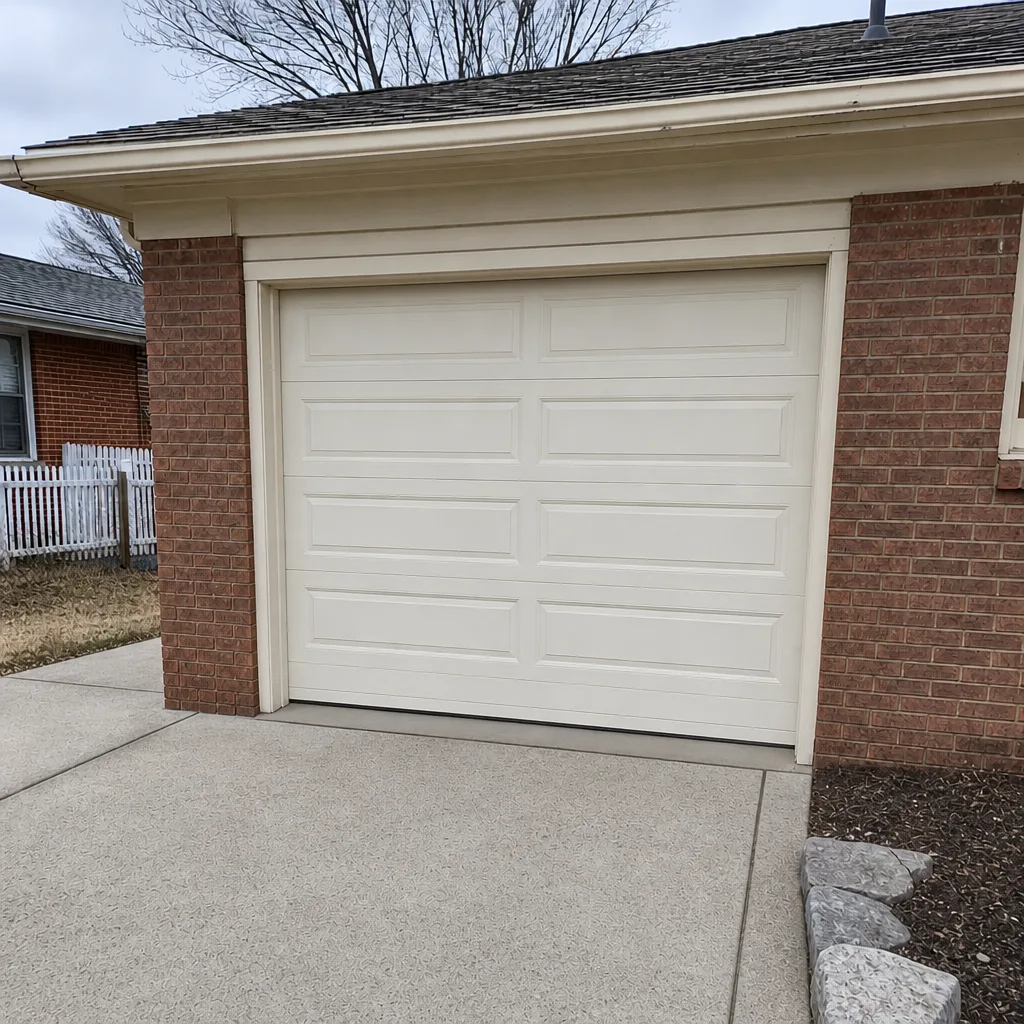 After
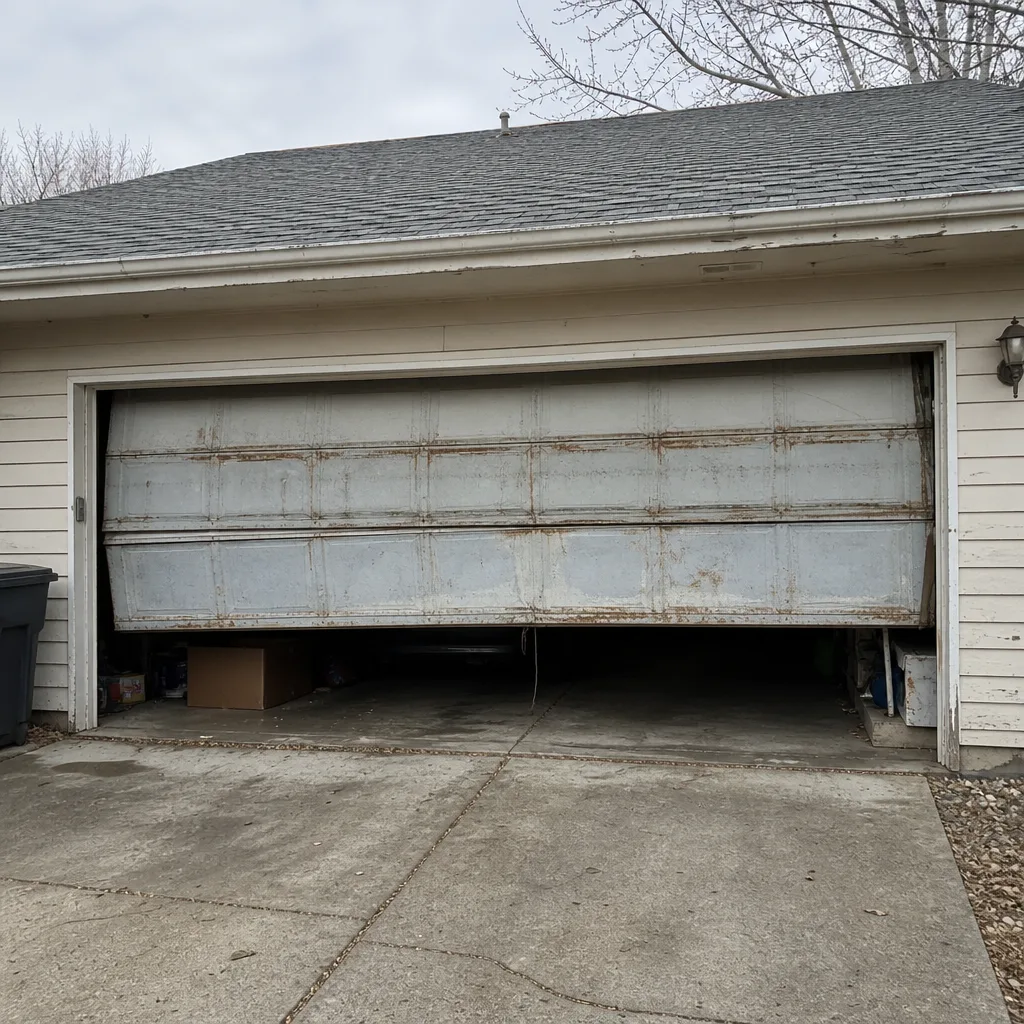 Before
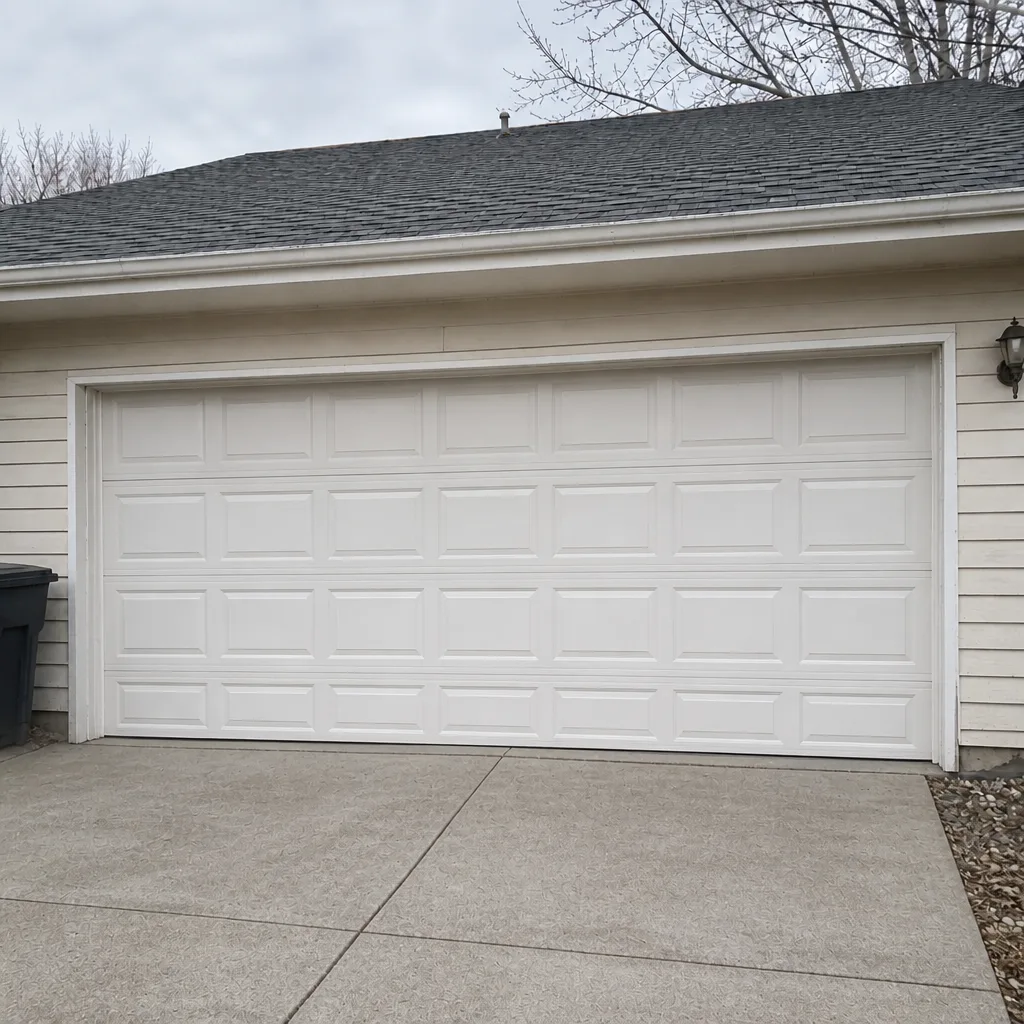 After
Common Mistakes to Avoid
- Replacing the opener for a door problem. A door that bows, hesitates, or feels heavy is usually a spring or track problem, and a new opener on a bad door fails twice as fast. Diagnose the door before you shop openers.
- Spraying oil on the springs and calling it maintenance. Springs need the right lubricant, not WD-40 or motor oil. The wrong product attracts grit and accelerates wear on a Washington Park door.
- Adjusting the safety sensors with a hammer and calling it fixed. A bump of a bracket can knock sensors out of alignment, but bending them by force usually makes the drift worse. Use the adjustment screws.
- Ignoring rust streaks on springs after a wet spring. Rust on a spring is a warning that the coils are weakening from the inside, and the first sign of failure is a bang. Have them inspected.
- Lubricating a torsion spring or adjusting a cable yourself. Never do this. The stored energy can injure you in a fraction of a second, and the correct fix needs the right tools and training.
- Booking an installation without measuring the opening correctly. A door installed too tight to the jamb rubs and binds, and the warranty goes with the wrong part. Measure twice or let the technician measure for you.
- Waiting for the “big” failure. A door that takes 20 percent longer to open today is the warning. Fix the spring now, and you avoid a January Monday with no garage door in Washington Park.
When to Call a Professional
Call a specialist when you can’t safely diagnose the problem yourself, when springs or cables are involved, or when the door has become so heavy or misaligned that forcing it is a risk. Call right away if you hear a bang followed by a heavy door, see a gap in a spring, or the door won’t stay up. A grinding door that only needs rollers can wait a few days; a spring on the verge of failing cannot. Garage Door Repair Washington Park offers free estimates in Washington Park: call (866) 369-6074. We answer 24/7. Fast dispatch from 7am to 7pm, Sunday through Friday. The price is quoted and agreed before any work starts, so the estimate you approve is the estimate you pay.
Frequently Asked Questions
The most common early warning is a change in sound, usually a grinding during travel from worn roller bearings or a popping once per cycle from a cable jumping its drum. Timed open and close measurements and visual checks on springs and weatherstripping are the next most reliable signs. Call (866) 369-6074 for an exact diagnosis; estimates are free.
Garage door repair in Washington Park typically runs from about $150 for a roller or tune-up to $350 or more for spring replacement, with the final price set per job by the written estimate after the technician sees the door. There’s no service-call fee and the estimate is free. Call (866) 369-6074 for an exact quote before any work begins.
No. Stop using the door when a torsion spring has broken because the opener and remaining spring will be overloaded, and the door can come down hard. Springs store enormous energy, and a broken one is a safety concern even when the door still moves. Call us for a same-day spring repair if it’s a working day; we answer 24/7.
If the door feels heavy to lift by hand (with the opener disconnected) or bows during a cycle, the problem is the door and its springs, not the opener. If the door is smooth and balanced but the opener reverses, hums without moving, or opens only one direction, the problem is the opener. Call (866) 369-6074 for a quick diagnosis.
Grinding means worn rollers or a dry torsion tube, popping means a cable jumping its drum, and banging means a failing spring. A high squeal means dry springs or rollers, and a constant rattle means loose hinges or a slack chain. Our technicians work on Amarr, Wayne Dalton, and Craftsman doors and can usually name the part from the description alone.
Yes. We dispatch Sunday through Friday, 7am to 7pm, and we’re closed Saturday. Cold-weather calls in Washington Park are common, especially for springs that fail after the first hard freeze. Call (866) 369-6074. We answer 24/7, and a call outside dispatch hours is booked into the next opening, Sunday through Friday, 7am to 7pm.
Repair is usually the answer when the door is structurally sound and the problem is one component, like a spring, roller, or opener. Replacement makes more sense when panels are bent, gaps are chronic, or the door is beyond its safe service life. For a new door, see our garage door installation page, or call for a free estimate.
The Bottom Line
Garage doors almost never fail without warning. Sounds point to specific components, movement patterns reveal whether the problem is the door or the opener, timed measurements catch spring fatigue before it snaps, and Colorado’s climate leaves its own telltale signs in rust, panels, and weatherstripping. Read the signs, write down the numbers, and schedule repair when the door starts talking. If you’re not sure what you’re hearing, call (866) 369-6074 for a free estimate. We answer 24/7. Fast dispatch from 7am to 7pm, Sunday through Friday. For the parent service overview, visit our Garage Door Repair Washington Park page.
Written by the team at Garage Door Repair Washington Park.