
Last updated November 22, 2026
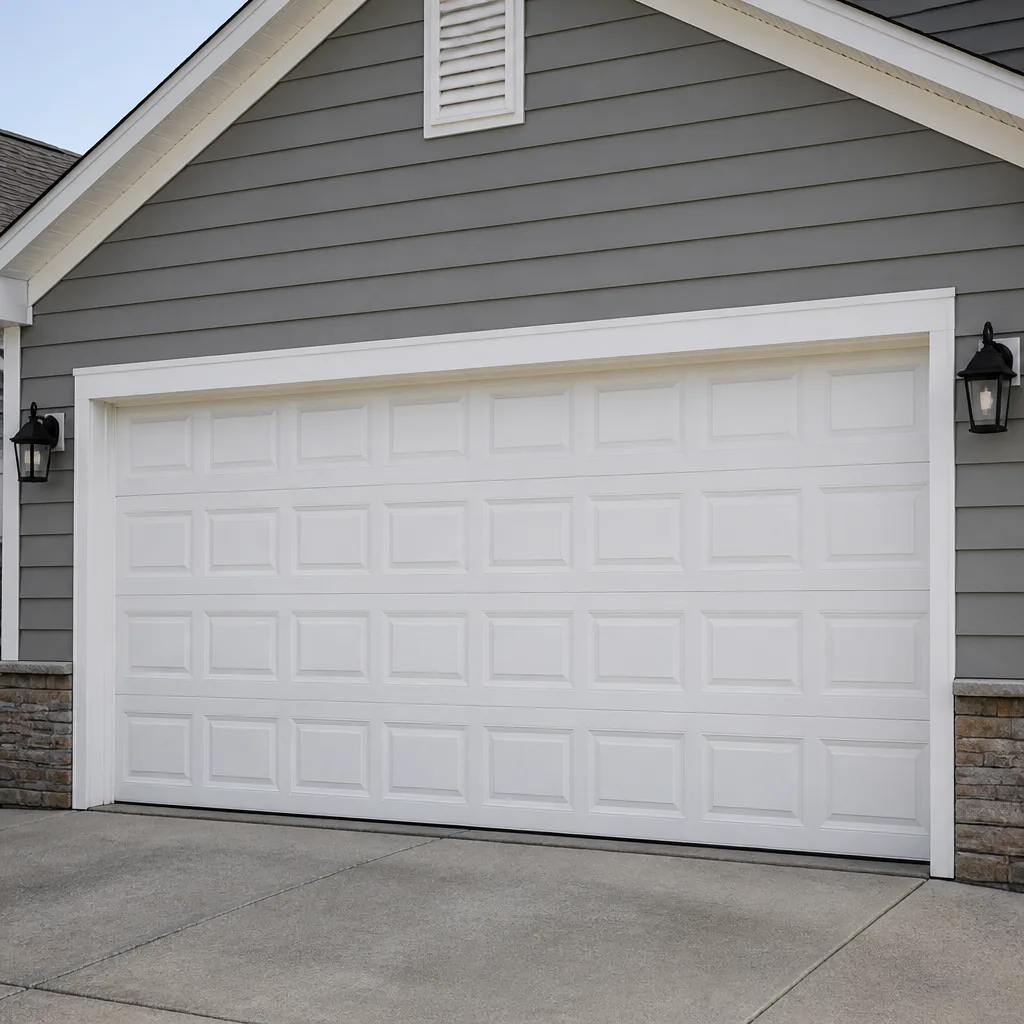 Raised-panel steel
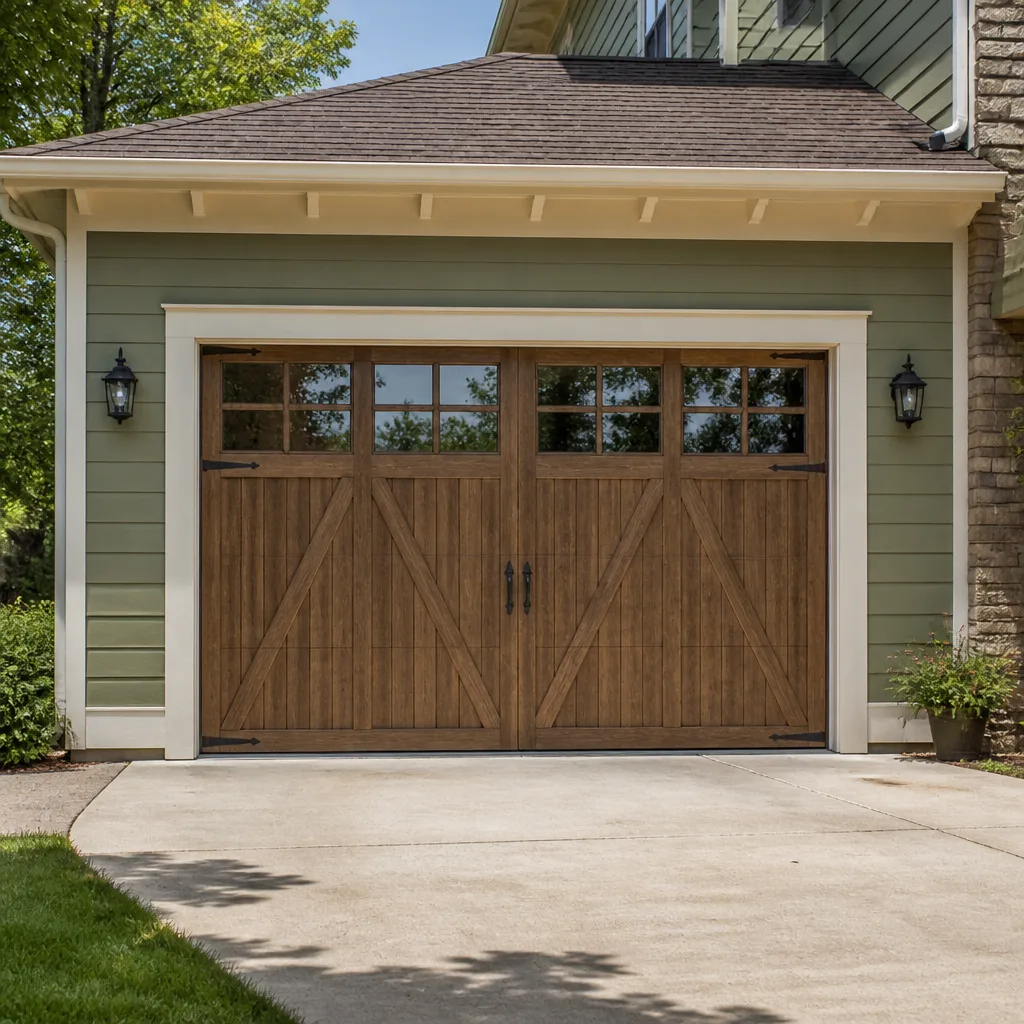 Carriage house
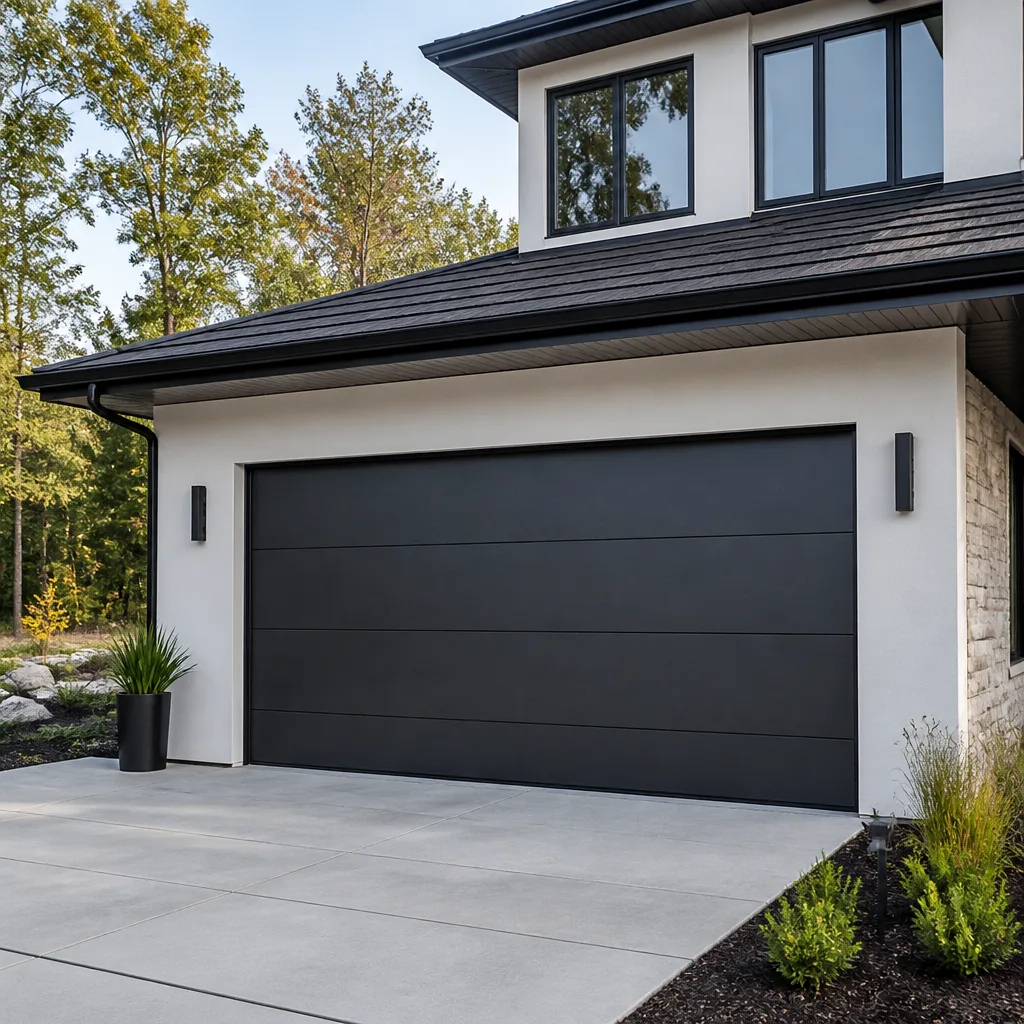 Modern flush
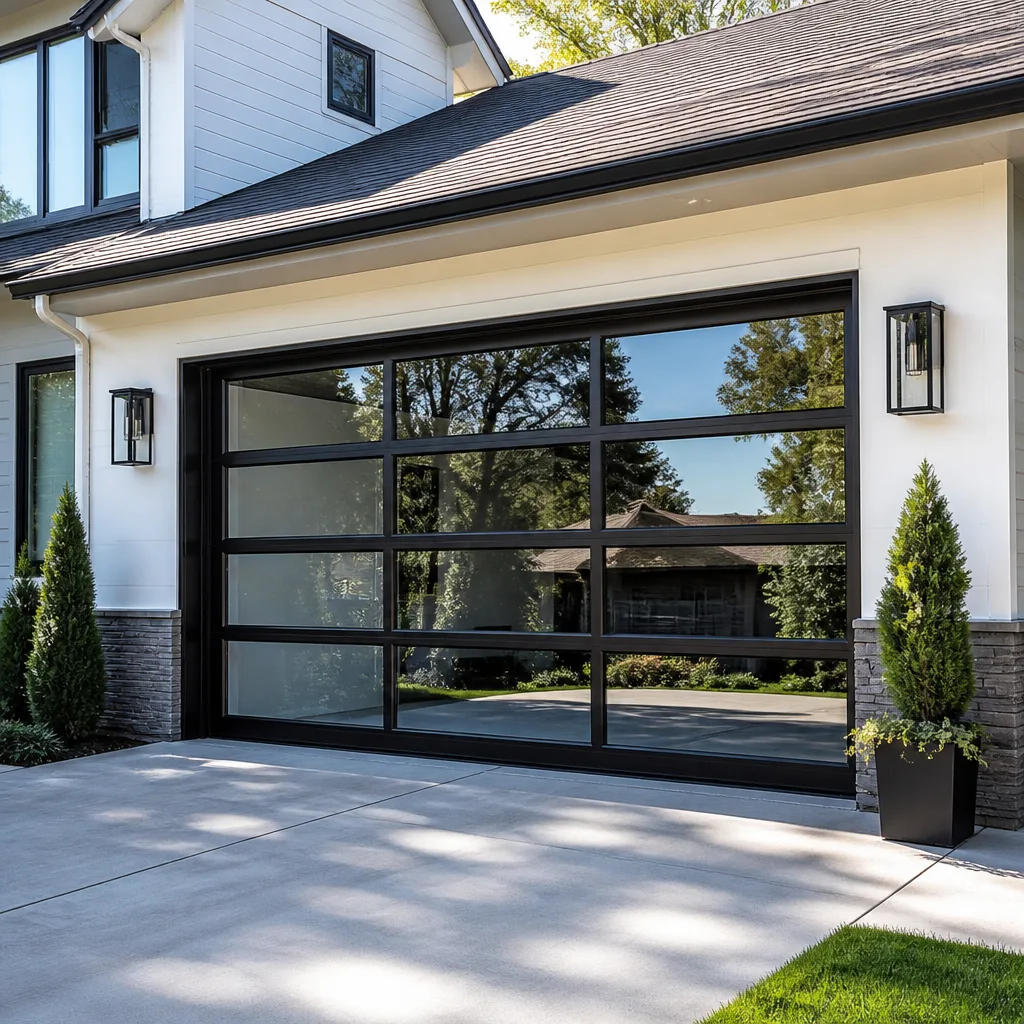 Full-view glass
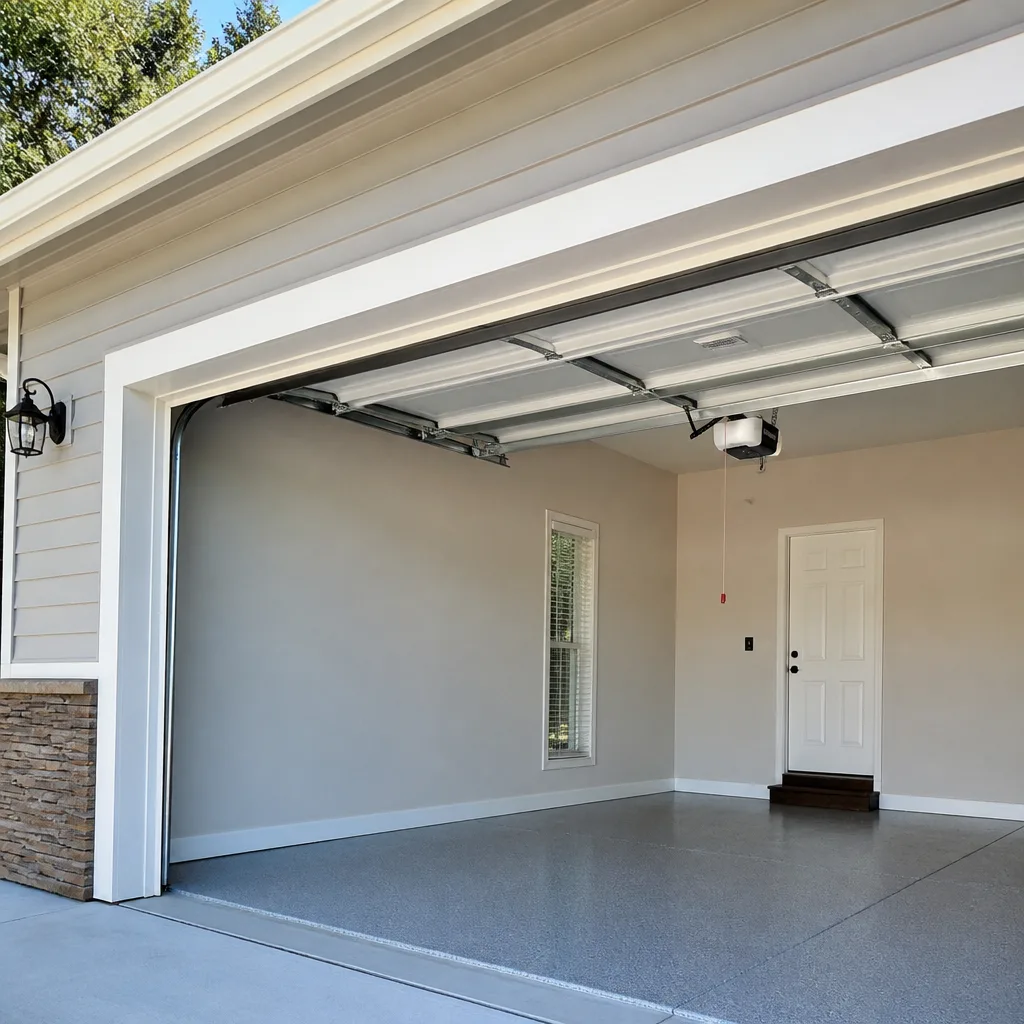 LiftMaster openers
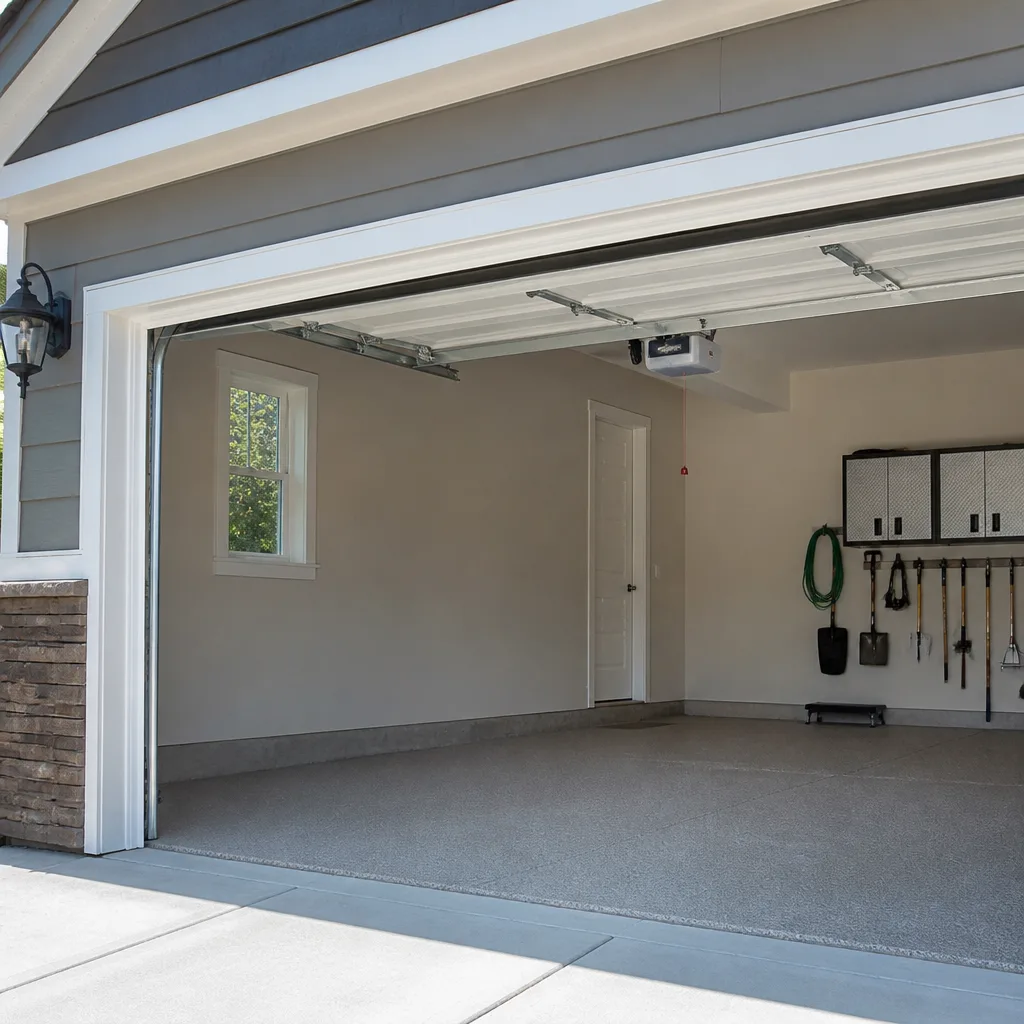 Chamberlain openers
Full 25-point door and opener safety check with every visit - springs, cables, rollers, tracks, and your LiftMaster or Chamberlain opener included
You get a price before we start. It does not change when the pro arrives.
Get your free estimateGarage Door Repair Troubleshooting in Washington Park: Common Problems and How to Fix Them
If your door stops halfway up, that’s usually not an opener problem. It’s a spring tension issue or a track obstruction, and replacing the opener when the spring is the culprit is the single most expensive mistake homeowners make. We see it often in Washington Park: a door that runs rough, a homeowner buys a new motor, and the door still won’t open because the actual failure was never electrical. This guide maps symptoms to causes across four mechanical categories – spring, cable, track, and opener – so you can identify the exact failure point before you touch anything or call anyone.
Quick Answer
Most garage door failures in Washington Park come down to one of four components: a broken spring, a cable that has jumped its drum, a bent or misaligned track, or an opener that has lost its travel limits or force settings. The behavior tells you which one: a loud bang followed by a door that won’t lift points to a spring, a door that rises crooked points to a cable or track, and a door that reverses on its own points to opener settings or a safety sensor. Springs and cables hold stored tension and are never safe to touch yourself.
Styles & brands we work with
- Raised-panel steel
- Carriage house
- Modern flush
- Full-view glass
- LiftMaster openers
- Chamberlain openers
Table of Contents
- Symptom-to-Cause Matrix: What Your Door Is Telling You
- Spring Failure: Torsion vs. Extension and How to Inspect Safely
- Cable Off the Drum: Why It Happens and Why It’s Never the Whole Story
- Track Damage, Rollers, and a Door That Sags on One Side
- Opener Limits and Force Settings on LiftMaster and Chamberlain Units
- What You Can Check Safely vs. What Needs a Technician
- Why Washington Park’s Freeze-Thaw Cycle Wears Door Hardware
- When to Call a Professional
Symptom-to-Cause Matrix: What Your Door Is Telling You
Before you guess at a fix, match the behavior to the component. A garage door has a small number of moving parts, and each one fails in a recognizable way. Here’s how we read the symptoms on calls around Washington Park.
- Loud bang from above, door won’t lift. A torsion spring has snapped. The bang is the spring unwinding. The door may lift a few inches and stop because the opener is fighting the full door weight.
- Door moves slowly or the opener strains. A spring has lost tension or one of a pair has broken, leaving the opener to lift weight it wasn’t designed to carry.
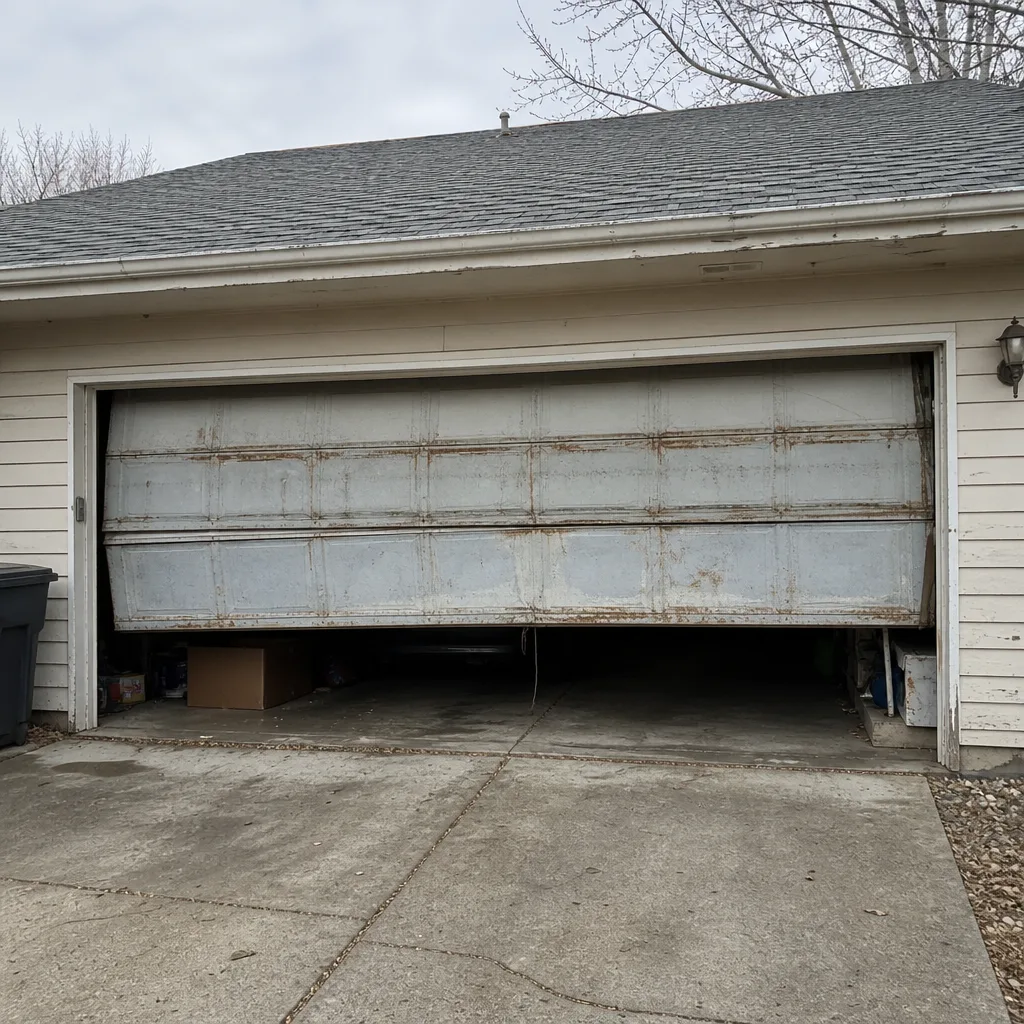
- Door rises crooked, one side higher. A cable has come off its drum on one side, or a track has bent and is dragging a roller. This is a cable-and-track diagnosis, not an opener problem.
- Remote works but the wall button doesn’t (or the reverse). The opener motor is fine. The problem is in the control circuit – a failed wall console, a bad wire, or a locked-out remote.
- Door goes up a foot, then reverses. Safety sensor misalignment, a blocked photo-eye, or a force setting that’s too low.
- Door stops short of fully open or fully closed. Travel limits on the opener have drifted, or something is binding in the track.
Two symptoms often get confused. A door that reverses immediately is almost always the safety sensor, while a door that stops partway and stays there is almost always a limit setting or a mechanical bind. If you’re not sure which category you’re in, that’s the moment to stop and get a diagnosis rather than a part. Our Garage Door Repair Washington Park page covers how a service call works from the first look to the written price.
Spring Failure: Torsion vs. Extension and How to Inspect Safely
A garage door spring stores enough energy to seriously injure a person. That’s the reason spring repair is a trained trade and not a weekend project. You can look, but you should never touch.
How to tell which spring system you have
- Look above the door, at the header. A horizontal shaft running across the top with one or two coiled springs wound around it is a torsion system.
- Look along the horizontal tracks. Long springs stretched alongside the upper tracks, running parallel to the door when it’s closed, are extension springs.
- Check for a safety cable. Extension springs should have a steel cable running through the center of each spring. If it’s missing, that’s a safety issue worth flagging on its own.
Visual inspection without contact
A broken torsion spring shows a clean gap in the coil, usually about a hand’s width apart, and the two halves no longer line up. A broken extension spring is visibly stretched out and hanging loose, often with the door sitting heavy. Stand back, use a flashlight, and look from the floor. Do not reach up to test a spring by hand, do not try to wind it, and do not cut or unhook anything under tension. A torsion spring under load can release with enough force to break bones, and extension springs can whip toward anyone standing nearby when they fail. In our experience the single most dangerous thing a homeowner can do with a garage door is try to “just loosen” a spring. Spring replacement is the repair we do most, and it starts with a full look at both springs, the cables, and the drums – because a snapped spring usually leaves the cables slack and out of position too. For matched pairs, we replace both, since the second spring is nearly always at the end of its life when the first one goes.
Cable Off the Drum: Why It Happens and Why It’s Never the Whole Story
If you see a cable hanging loose on one side, or wound unevenly around the drum at the top corner of the door, the cable has come off the drum. This is a symptom, not the root cause.
Cables are what connect the door to the spring system. When a spring loses tension, the cable on that side goes slack, and a slack cable can jump the drum as the door moves. The same thing happens when a door is run repeatedly with a failing spring: the cable keeps taking up the slack until it slips. That’s why a cable repair without a spring inspection tends to come back. Fix the cable, leave the tired spring, and the new cable jumps again within weeks.
Cables are also under the same stored tension as springs. A cable that snaps or is cut under load can whip with serious force. We don’t recommend homeowners handle, re-seat, or tension a cable. What you can do is look:
- Check both top corners for a cable that’s crossed over itself on the drum or hanging free.
- Look for a door that’s visibly higher on one side when closed.
- Listen for a scraping or popping sound as the door moves – that’s often a cable riding against the drum.
If you spot any of these, keep the door down and call for garage door repair. Running the door in this condition grinds the drum and can bend the shaft, which turns a cable job into a bigger repair.
Track Damage, Rollers, and a Door That Sags on One Side
A door that sags on one side, scrapes along one edge, or binds partway up is often a track problem. Tracks are the metal rails on each side and above the door, and they’re more fragile than they look.
Common track problems
- A bent vertical track. Usually from a bumper nudge or something leaning against the rail. A bend pinches the roller and drags the door.
- Loose track brackets. The fasteners that hold the track to the jamb work loose over time, and the track shifts out of plumb.
- Worn or cracked rollers. Nylon rollers crack and steel rollers flat-spot. Either one makes the door noisy and can jump the track.
- Debris in the track. Small stones, grit, and dried leaves collect in the rail, especially after a windy stretch in Washington Park.
What you can safely do
- With the door fully closed and the opener disconnected, look down each track from the floor. A straight edge held against the rail shows a bend quickly.
- Clear loose debris from the track channel with a brush or a vacuum – no tools that pry at the rail.
- Check that the track brackets are snug by hand. If a bracket is loose, note it for a technician rather than tightening it yourself, since a shifted track can throw the door off balance.
- Look at the rollers for cracks or flat spots. Replacing rollers is a parts job, and we supply them directly through our parts service.
Never try to bend a track back into shape with the door attached. The door’s weight is resting on that rail, and forcing it can drop the door or throw it off the horizontal track.
Opener Limits and Force Settings on LiftMaster and Chamberlain Units
A door that stops short, reverses without a visible obstruction, or closes and then bounces back up often has an opener setting problem rather than a mechanical one. We work on LiftMaster, Chamberlain, Genie, and Raynor openers regularly, and the limit and force settings on LiftMaster and Chamberlain units are the two adjustments homeowners ask about most.
What the settings actually do
Travel limits tell the opener where fully open and fully closed are. If the down limit drifts, the door stops an inch above the floor and the opener thinks it’s done. If the up limit drifts the other way, the door strains against the header. Force settings tell the opener how hard to push before it gives up and reverses. Set too low, and a slightly stiff door trips the safety reverse. Set too high, and the opener keeps pushing through a real obstruction.
The order to check things
- Disconnect the opener with the release handle and lift the door by hand. A properly balanced door should lift with one hand and stay put halfway up. If it’s heavy or won’t hold, the problem is the door or springs, not the opener settings.
- Check the safety sensors at the bottom of the tracks. Both LEDs should be solid, not blinking. Wipe the lenses and confirm nothing blocks the beam.
- Only if the door balances and the sensors are clear should you look at the limit and force settings. On most LiftMaster and Chamberlain units the adjustment screws sit on the back or side of the motor housing, and the manual for your model gives the exact procedure.
- If the door still reverses after the sensors are clear and the door balances, the opener’s logic board or the wall control wiring may be the issue. That’s a repair, not an adjustment.
Adjusting limits on a door with a failing spring masks the real problem and puts extra strain on the opener motor. If you’re not certain the door is balanced, stop there and book a diagnosis through our garage door opener repair service.
What You Can Check Safely vs. What Needs a Technician
The line between a homeowner check and a technician job comes down to one thing: stored tension. Anything holding the door’s weight is off limits. Everything else you can inspect.
Safe for a homeowner to check
- Safety sensor alignment and lens condition
- Whether the door is balanced by hand with the opener disconnected
- Visible debris in the tracks
- Roller condition, from the floor
- Remote batteries and wall control function
- Whether a spring is visibly broken, using a flashlight from a distance
Requires a trained technician
- Replacing or adjusting springs, torsion or extension
- Re-seating or tensioning cables
- Straightening or replacing tracks with the door attached
- Replacing drums, the torsion shaft, or the center bearing plate
- Any work where the door’s weight is supported by the part being handled
Our technicians have up to 12 years of experience, and the first thing any of them will tell you is that the door’s weight lives in the spring system. That’s why spring repair is a dedicated service here rather than something folded into a general repair call. It’s also why we’d rather talk you out of a DIY spring job than sell you one.
Why Washington Park’s Freeze-Thaw Cycle Wears Door Hardware
Washington Park sits at elevation, and the freeze-thaw cycle through fall and spring is hard on garage door hardware. Metal expands and contracts with temperature swings, and that shows up in a few predictable places.
- Track alignment shifts. When the ground freezes and thaws, the framing around the garage opening moves slightly. Tracks that were plumb in summer can be a little out by February.
- Lubricant thickens. Cold weather stiffens grease on rollers, hinges, and the torsion shaft. A door that ran smoothly in October can feel heavy in January even with healthy springs.
- Weather seals harden and split. The bottom seal and the perimeter seals crack faster in a freeze-thaw climate, letting cold air and moisture into the garage.
- Springs cycle more. A door that gets run several times a day, on a door that’s already fighting stiff hardware, cycles its springs toward the end of their life sooner.
A seasonal look goes a long way in Washington Park. In late fall, clear the tracks, wipe old grease off the rollers and hinges, and apply a lubricant rated for cold weather. Don’t grease the tracks themselves – the rollers should roll, not slide. In spring, check the balance by hand and look at the springs and cables. If anything looks off after a hard winter, get it looked at before it becomes a bigger repair. If you’re replacing an aging door rather than repairing it, our garage door installation page walks through what a measured replacement involves, from measuring to written pricing to the install day.
Common Mistakes to Avoid
- Replacing the opener when the spring is the problem. A door that won’t lift usually has a failed spring, not a dead motor. Buying a new opener first is the most common way a modest repair turns into a much larger bill.
- Trying to wind or loosen a spring yourself. Torsion springs store enough energy to cause serious injury. This is the one repair we tell every Washington Park homeowner to leave alone.
- Fixing a cable without checking the spring. A cable that jumped the drum is almost always a downstream symptom. Replace the cable and skip the spring, and it’ll jump again.
- Bending a track with the door attached. The door’s weight is resting on the rail. Bending it in place can drop the door or throw it off the horizontal track.
- Cranking up the opener force to overcome a stiff door. Raising the force setting hides a mechanical bind and lets the opener push through obstructions it should reverse on. Fix the bind, not the setting.
- Skipping seasonal lubrication in a freeze-thaw climate. A door that runs dry through a Washington Park winter wears its rollers, hinges, and springs faster than it needs to.
- Ignoring a missing safety cable on extension springs. Extension springs should have a steel cable through the center. Without one, a spring that fails has nothing to contain it.
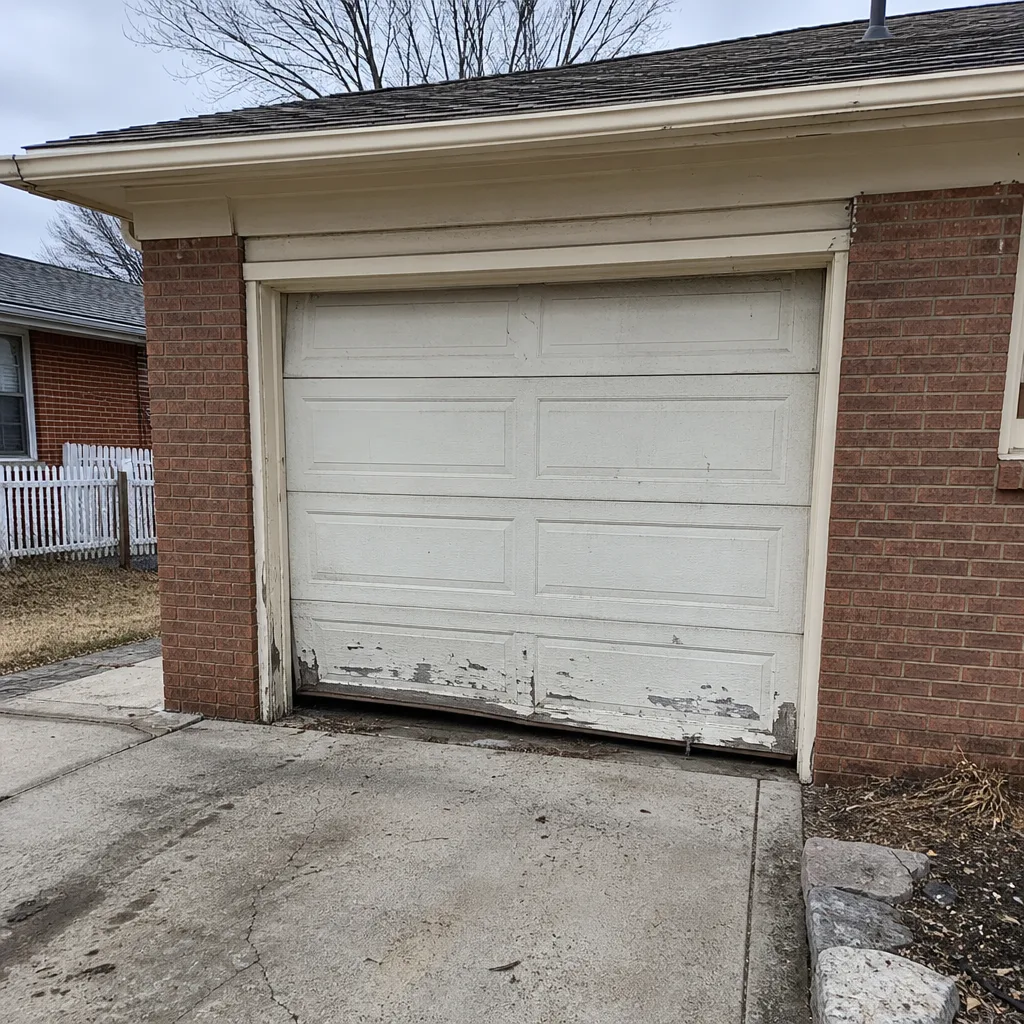
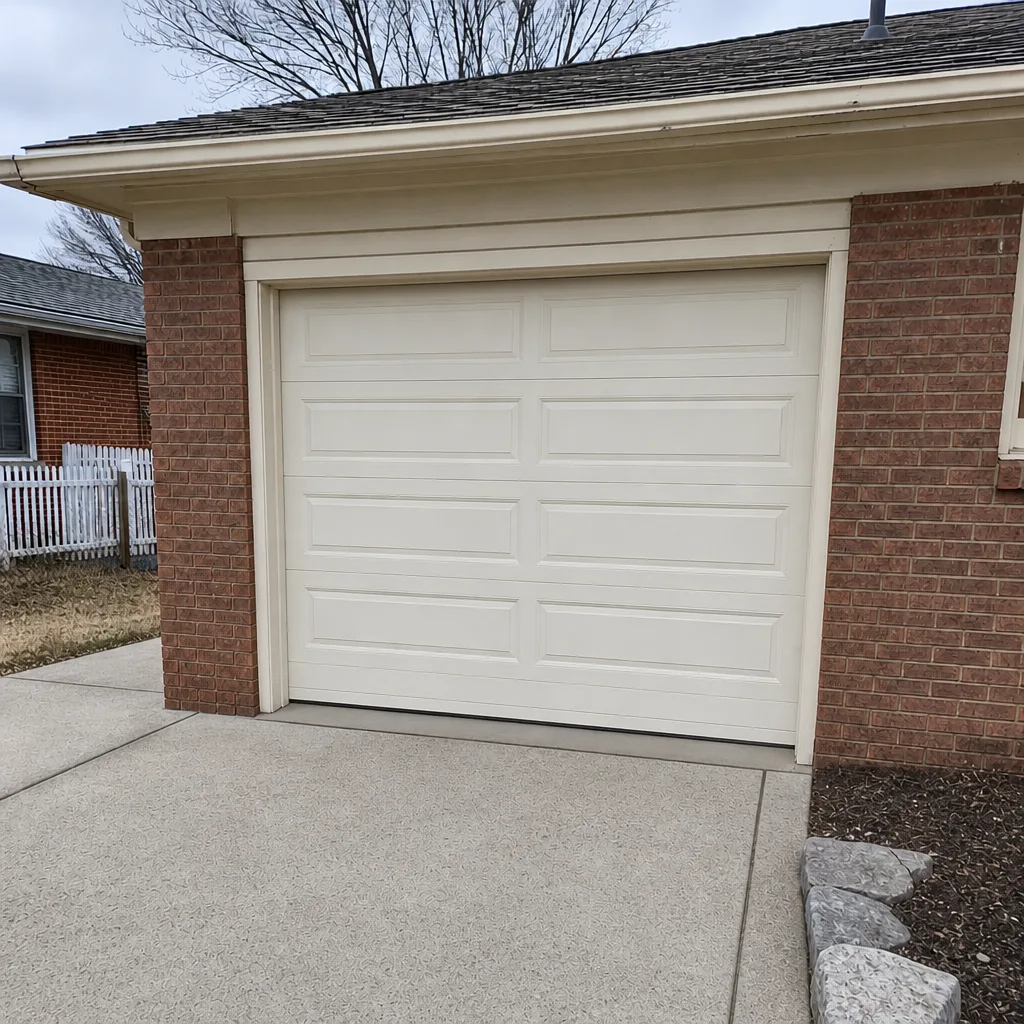
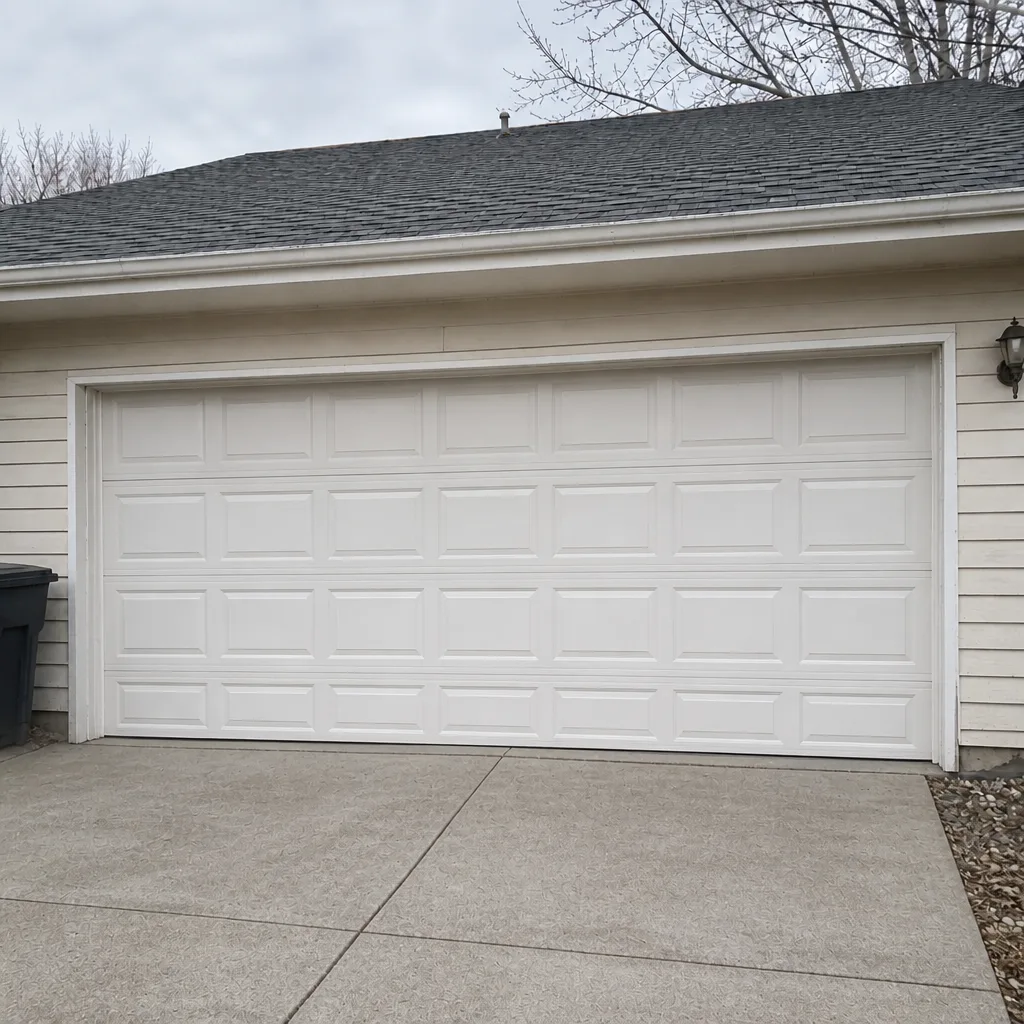
See the difference
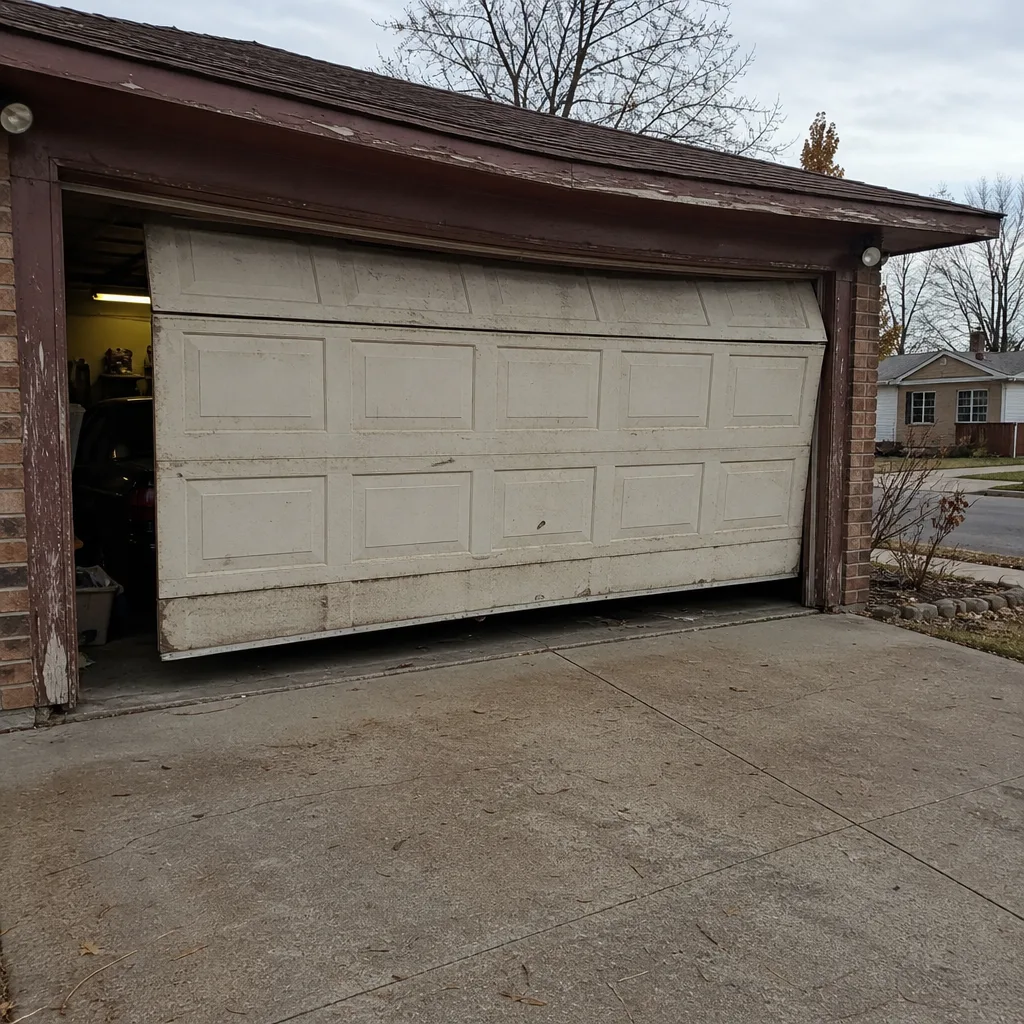 Before
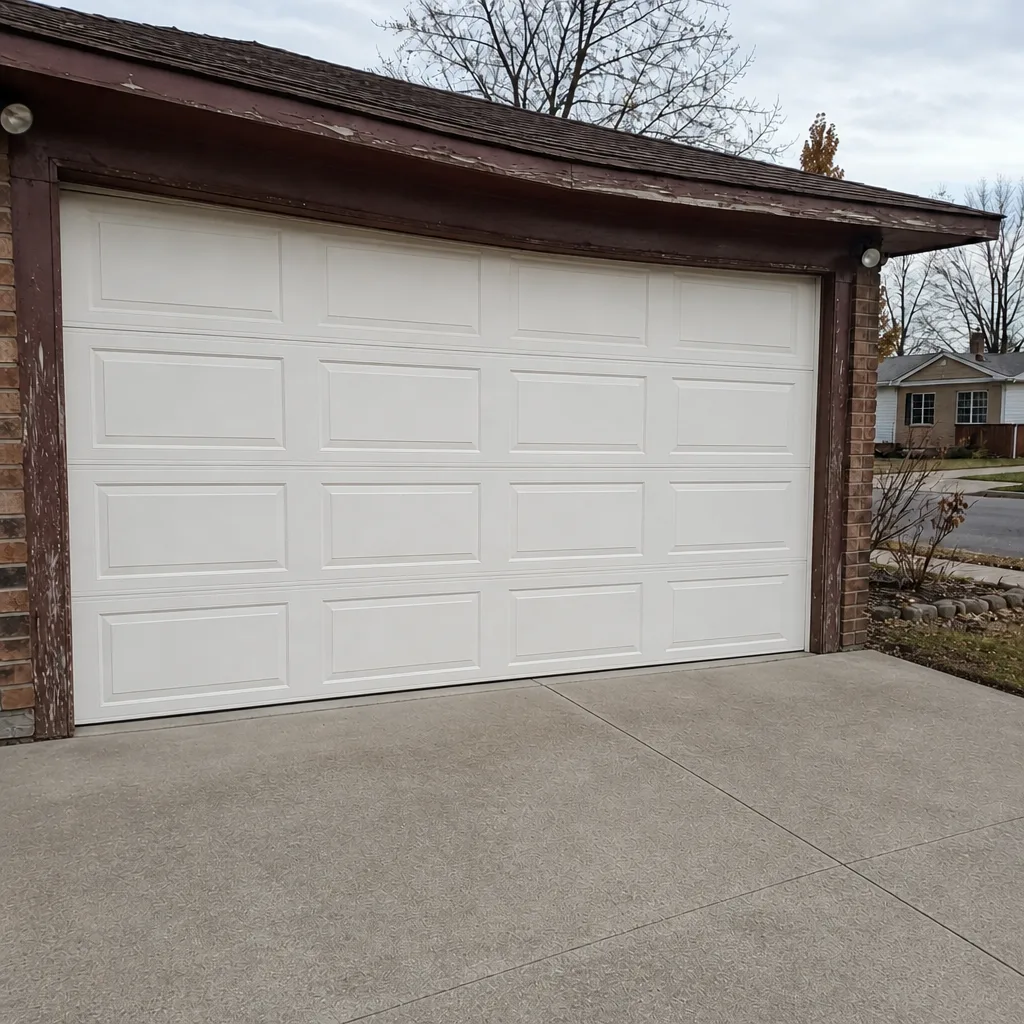 After
 Before
 After
 Before
 After
When to Call a Professional
Call a professional if you see a broken spring, a cable off its drum, a track that’s bent or loose, or a door that’s visibly sagging on one side. Call as well if the opener reverses for no reason after you’ve cleared the sensors and confirmed the door balances, or if the door feels heavy when you lift it by hand with the opener disconnected. Those are all signs of a mechanical problem that settings won’t fix. Garage Door Repair Washington Park offers free estimates in Washington Park – call (866) 369-6074. A technician will look at the springs, cables, tracks, and opener together, then quote the repair in writing before any work starts. We work on the brand you already have, including LiftMaster, Chamberlain, Genie, and Raynor, and we keep parts available so a diagnosis doesn’t stall waiting on an order.
Frequently Asked Questions
Most repair calls in Washington Park fall into a range set by which component failed and whether it’s one part or a pair. The price is quoted per job by a written estimate after a technician inspects the door, and that written price is what you pay – it doesn’t change once the work starts. Call (866) 369-6074 for an exact quote; estimates are free.
Yes, a door stuck open is a priority call, and same-day service is often possible. We answer 24/7, and fast dispatch runs from 7am to 7pm, Sunday through Friday. If your call comes in outside dispatch hours, we’ll book you into the next opening. Call (866) 369-6074.
No. Don’t run the door with a broken spring. The opener is lifting the full weight of the door without the spring’s help, which strains the motor, the cables, and the tracks, and the door can come down hard if something gives. Leave it closed and get it looked at. Call (866) 369-6074 for a free estimate.
That points to the wall control or its wiring, not the opener motor. The motor is receiving the remote signal fine, so the failure is in the circuit the wall button uses – a bad console, a loose wire at the opener, or a lockout setting. A technician can trace the circuit in one visit rather than replacing parts by guesswork. Call (866) 369-6074.
No. The price is quoted and agreed before any work starts, and the written estimate sets the final price. If a technician finds a second issue while inspecting, they’ll tell you before touching it so you can decide. Call (866) 369-6074 for a free estimate.
The local pro who comes to your door is licensed and insured as Colorado requires for the trade. Our technicians have up to 12 years of experience, and every visit is a garage door specialist, not a general handyman splitting attention across trades. Call (866) 369-6074 to book a free estimate.
The Bottom Line
Most garage door problems in Washington Park come from one of four components – spring, cable, track, or opener – and diagnosing the right one first is what keeps a small repair small. Read the symptom, not the guess: a bang followed by a heavy door means a spring, a crooked lift means a cable or track, and an unexplained reversal usually means sensors or settings. Springs and cables hold stored tension and always need a trained technician. The checks you can do safely – sensor alignment, balance by hand, track debris, roller condition – will tell you whether you’re looking at a DIY fix or a service call. When it’s a service call, call (866) 369-6074 for a free estimate. We answer 24/7, and fast dispatch runs from 7am to 7pm, Sunday through Friday. Garage doors are all we do.
Written by the team at Garage Door Repair Washington Park.