
Last updated November 22, 2026
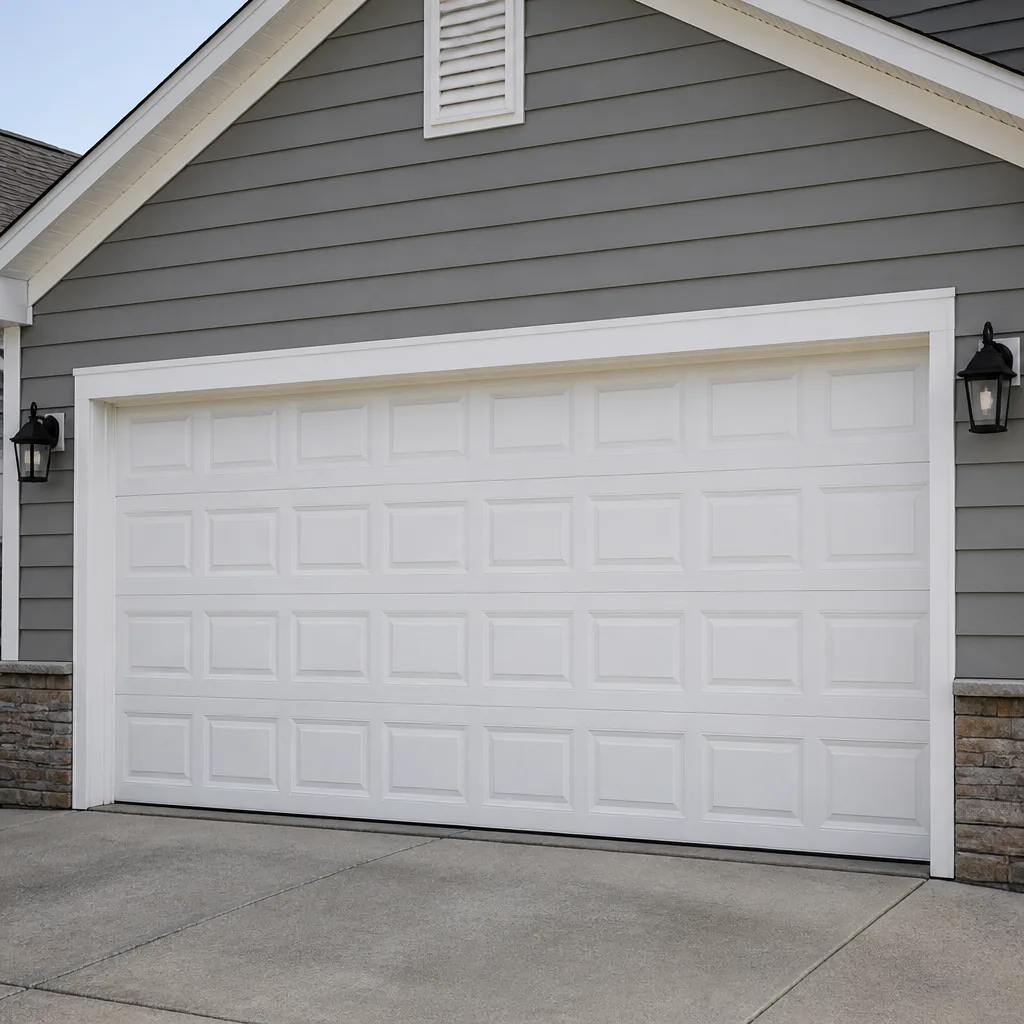 Raised-panel steel
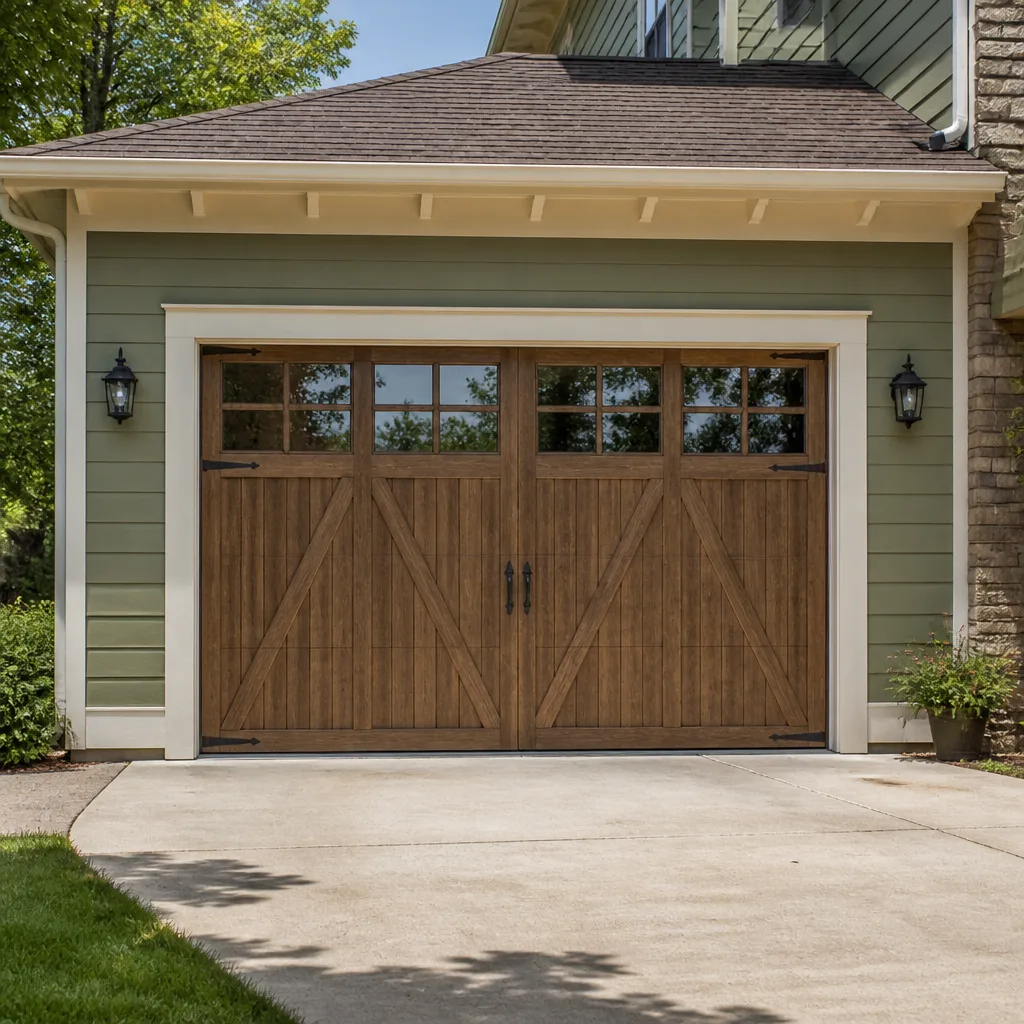 Carriage house
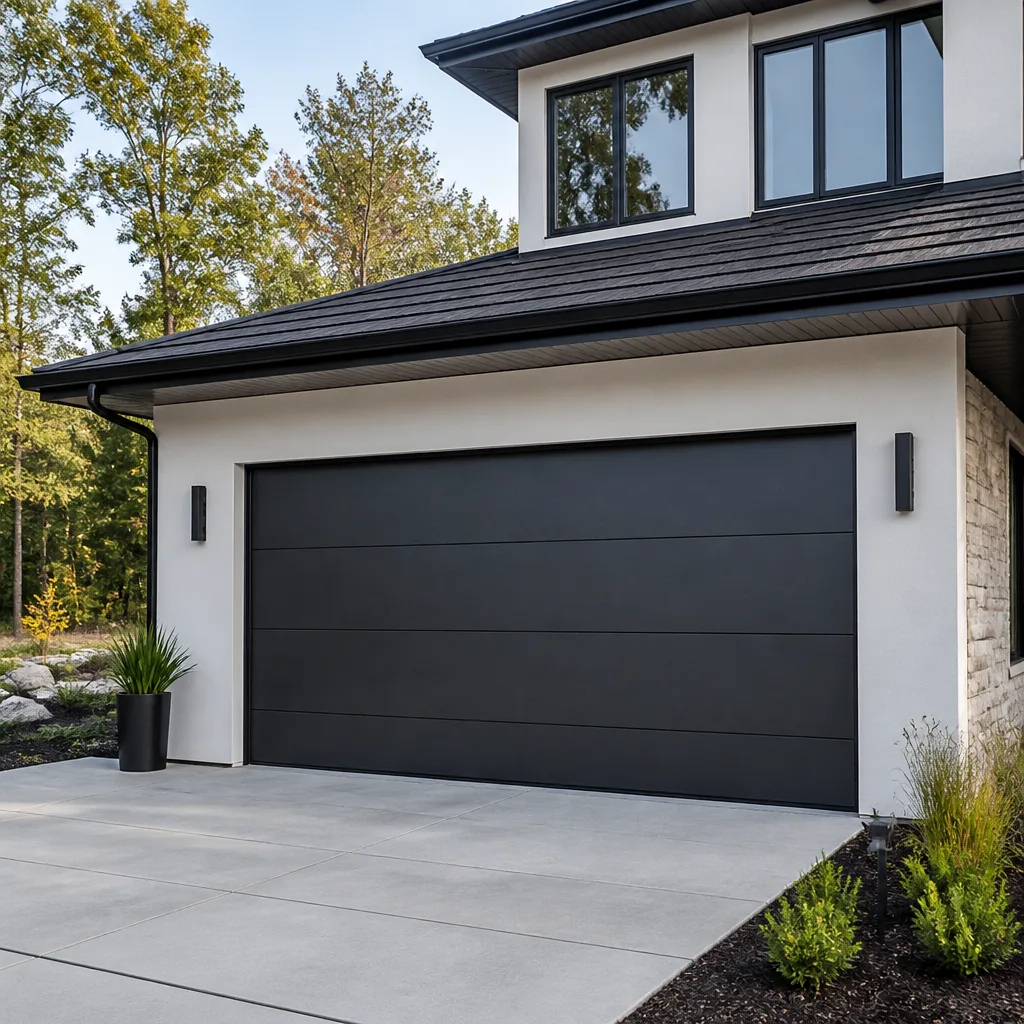 Modern flush
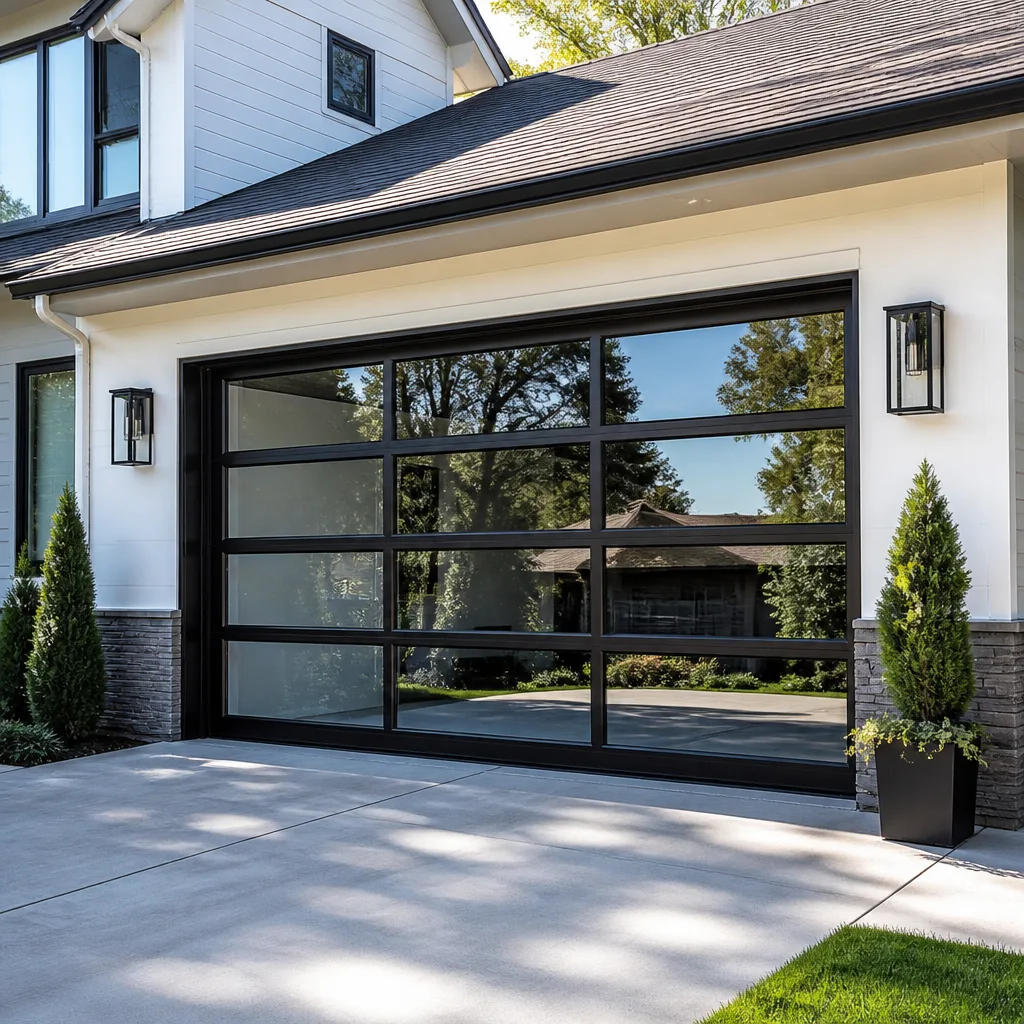 Full-view glass
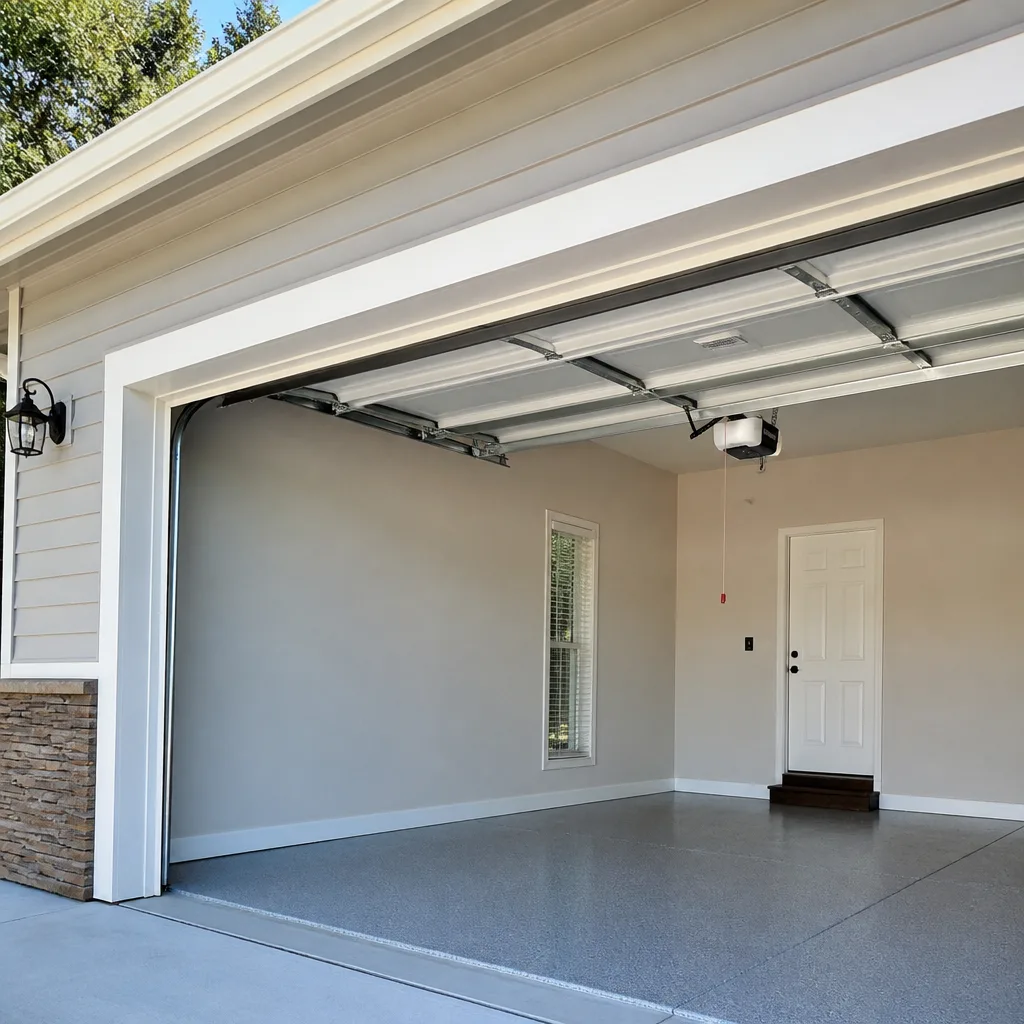 LiftMaster openers
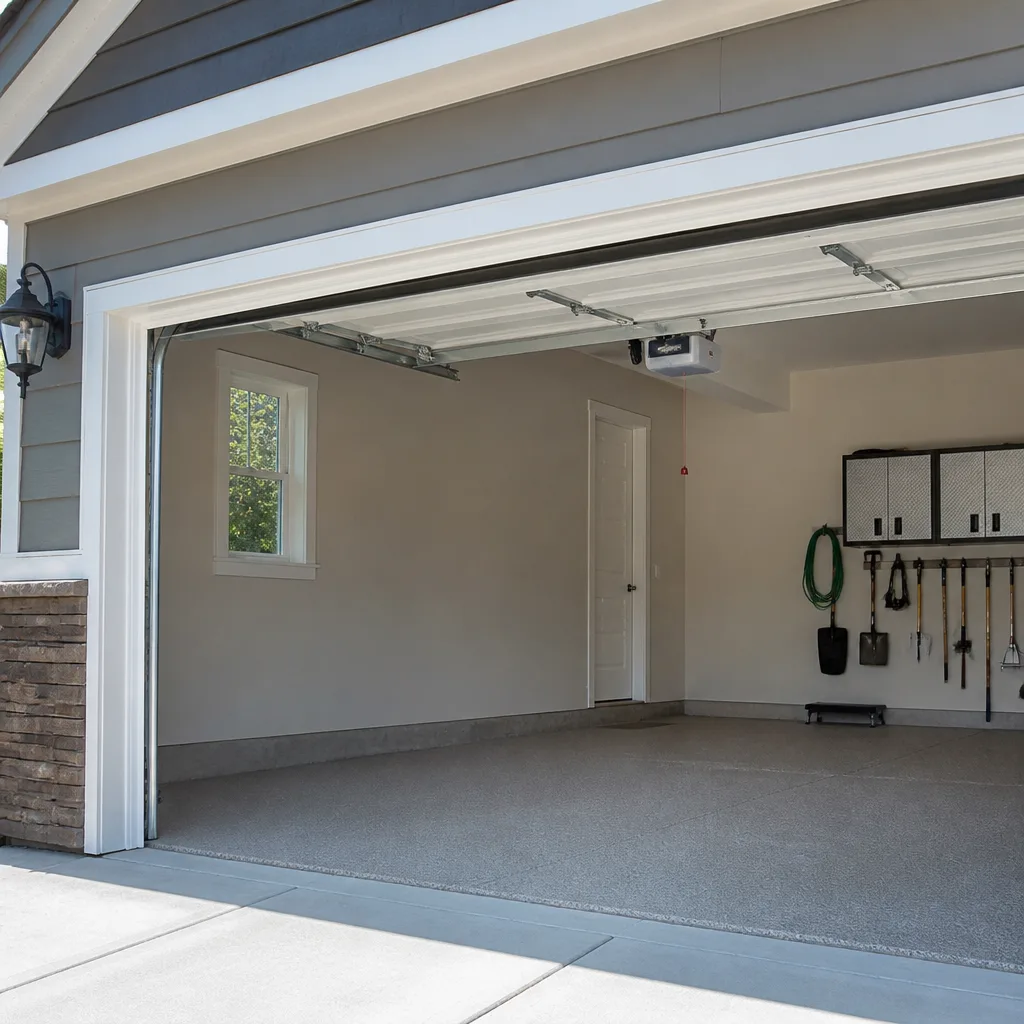 Chamberlain openers
Full 25-point door and opener safety check with every visit - springs, cables, rollers, tracks, and your LiftMaster or Chamberlain opener included
You get a price before we start. It does not change when the pro arrives.
Get your free estimateThe Complete Guide to Garage Doors in Washington Park
Most Washington Park homes were built before 1970. That single fact explains almost every garage door surprise homeowners here run into. The garage was designed around a 7-foot door, a single-car bay, and manual operation. Today’s openers, insulated doors, and smart-home systems are engineered around different assumptions: taller openings, deeper headroom, and electrical layouts that didn’t exist when these garages went up. What fits a new build in the suburbs often won’t fit a Washington Park garage without adjustments. This guide walks through what actually matters here, from alley-access layouts to hail-resistant materials, so you can make decisions that fit the house you own.
Quick Answer
A garage door in Washington Park usually needs a solution built around the neighborhood’s older housing stock: a standard 7-foot opening, limited headroom, and a single-car bay. Repairs are straightforward when the right parts are matched to the existing door and opener. Replacements need careful measuring because pre-1970 garages often can’t accept modern insulated doors or openers without modification. Understanding your door’s dimensions, spring type, and opener brand before you call saves time and prevents costly mismatches.
Styles & brands we work with
- Raised-panel steel
- Carriage house
- Modern flush
- Full-view glass
- LiftMaster openers
- Chamberlain openers
Table of Contents
- How Washington Park’s Alley-Garage Layout Changes Everything
- Door Sizing and Clearance in Pre-1970 Garages
- Which Door Materials Survive Denver Hail Season
- Opener Selection and Headroom Constraints
- Why Older Torsion Springs Get Undersized
- Brand Availability in the Washington Park Area
- What Garage Door Work Typically Costs in Washington Park
- Maintenance That Actually Matters Here
How Washington Park’s Alley-Garage Layout Changes Everything
Washington Park’s detached garages sit at the end of an alley, not off a front driveway. That layout shapes every service call more than most homeowners realize. An alley approach means tighter turning radius for any vehicle pulling in, narrower clearance on both sides of the door, and often a shorter driveway apron that leaves little room to stage a ladder or a replacement door panel.
Because the garage faces the alley rather than the street, the door is exposed to a different pattern of wear. Alley-facing doors catch debris kicked up by passing cars, trash trucks, and plows in winter. The bottom seal takes more abuse than a street-facing door would. That’s why we often find weatherstripping and bottom rubber worn through long before the panels themselves show damage in Washington Park garages.
Opener placement also shifts. In an alley garage, the opener motor usually hangs from a ceiling that was framed for storage, not for equipment. Homeowners sometimes add shelving right where the rail needs to travel, which blocks the door’s path or forces a shorter rail than the door needs.
- Alley clearance limits how close a service vehicle can park, which affects how much gets done in one visit.
- Narrow side clearances mean track adjustments need to account for less lateral room.
- Bottom seals and weatherstripping wear faster on alley-facing doors.
- Ceiling obstructions from added storage often interfere with opener rails.
If your door is sticking, reversing, or making noise, it’s worth having a specialist look at the whole alley-garage setup rather than just the symptom. That’s what a proper garage door repair visit covers.
Door Sizing and Clearance in Pre-1970 Garages
Most Washington Park garages were framed for a 7-foot-tall, single-car door. Some are 8 feet wide; some are 9. Very few have the 16-foot double-bay opening you’d find in newer construction. When a homeowner wants to replace an aging door, the measurement that matters most isn’t the opening width. It’s the headroom above the opening and the depth of the ceiling behind it.
Headroom is the vertical space between the top of the door opening and the ceiling. Standard torsion spring setups need roughly 12 inches of headroom. Low-headroom situations may require a different spring configuration or a low-clearance opener. Ceiling height in a pre-1970 Washington Park garage is often 7 to 8 feet, which leaves very little room for a standard rail-mounted opener with a light and battery backup hanging below it.
- Measure the opening width and height at three points: left, center, and right.
- Measure headroom from the top of the opening to the lowest ceiling obstruction.
- Measure side clearance from the door edge to the nearest wall or post.
- Note the depth from the door to the back wall, since the opener rail needs that distance.
- Check for any structural beam, shelf, or pipe that crosses the travel path.
Getting these numbers right the first time avoids the most common Washington Park replacement problem: ordering a door that won’t fit the opening or an opener that can’t mount to the ceiling. For a full replacement, garage door installation starts with a proper measure, not a catalog pick.
Which Door Materials Survive Denver Hail Season
Denver’s hail season is the single biggest driver of door damage in Washington Park. Steel doors dent. Aluminum dents more easily. Wood doors crack and split when hail hits the surface hard enough. The question isn’t whether a door will get hit, but how it handles the hit and whether the repair is covered.
Steel is still the most common choice because it’s affordable and repairable. The gauge matters more than most homeowners realize: a 24-gauge steel door resists denting better than a 27-gauge door, and it holds up better to repeated impacts. When we look at doors from Clopay or Amarr, the gauge and the finish both factor into how well the door survives a season.
Warranty coverage is where homeowners get caught. Many manufacturer warranties exclude damage from hail or other acts of nature, and some exclude damage that results from improper installation. A door installed without the correct reinforcement or with the wrong track spacing can void coverage regardless of the door’s quality. Before choosing a material, check the warranty language on impact resistance and installation requirements.
- Steel (24-gauge or heavier): best balance of dent resistance, repairability, and cost.
- Insulated steel: better temperature control for attached garages, heavier, needs stronger springs.
- Aluminum: lightweight and rust-resistant but dents easily in hail.
- Wood: attractive but cracks and requires more maintenance in Colorado’s dry, freeze-thaw climate.
Whatever material you choose, confirm the warranty terms in writing. A door that looks right but voids its coverage on the first hailstorm costs more than it saves.
Opener Selection and Headroom Constraints
Opener choice in Washington Park is often decided by the ceiling, not by brand preference. A standard chain-drive or belt-drive opener needs a rail that extends from the motor to the door header and enough ceiling height to hang the unit without blocking the door’s travel. In a pre-1970 garage with 7 to 8 feet of ceiling, that space is tight.
Belt-drive openers run quieter, which matters more in Washington Park’s dense blocks where garages sit close to neighboring homes and bedrooms. Chain-drive units are louder but often less expensive. Screw-drive is a middle option. Jackshaft openers mount on the side of the torsion bar rather than the ceiling, which solves the headroom problem entirely but requires a torsion setup that can support them.
Brand familiarity helps here. Genie and LiftMaster both make low-profile and jackshaft models, and knowing which model fits a given ceiling height and door weight saves a return trip. The same applies to garage door opener repair: if the opener is failing, matching the replacement to the existing rail and mount is often faster than starting over.
- Measure headroom and note the lowest ceiling obstruction.
- Identify the existing opener brand and model if one is present.
- Confirm the door’s weight and whether the current springs can handle a heavier opener.
- Decide between ceiling-mount and jackshaft based on available space.
- Check whether smart-home features require a specific brand ecosystem.
Why Older Torsion Springs Get Undersized
Torsion springs are matched to the weight of the door. When a Washington Park homeowner replaces an old, lightweight wood or thin-steel door with a modern insulated steel door, the new door is heavier. If the springs aren’t upgraded to match, they’re undersized from day one. The door may work for a while, then the springs fatigue faster, the opener strains, and eventually something fails.
You can often tell if your springs are undersized by watching the door move. A door that hesitates, jerks, or moves unevenly is telling you the springs aren’t balancing the weight. A door that slams down or feels heavy to lift manually is another sign. The color coding on the spring coils indicates their weight rating, and a mismatch between that rating and the door’s actual weight is the root of the problem.
Spring repair is one of the most dangerous jobs in this trade. A wound torsion spring stores enormous energy, and releasing it incorrectly can cause serious injury. We don’t recommend DIY spring work, and most general contractors decline it for the same reason. A trained technician with the right winding bars and the correct spring rating is the only safe way to handle it. That’s why we treat Garage Door Repair Washington Park as a spring-first service, not an afterthought.
If your door is heavier than it used to be, or you’ve recently upgraded the door itself, have the spring rating checked before the opener takes the strain.
Brand Availability in the Washington Park Area
A garage door guide for Washington Park is only useful if the parts and service are actually available here. Metro-wide coverage doesn’t help when your opener dies and the nearest tech who stocks the right part is an hour away. Local availability comes down to brand familiarity and parts supply.
We work on the brands most Washington Park homeowners already have: LiftMaster, Chamberlain, Genie, Clopay, Amarr, Wayne Dalton, Craftsman, and Raynor. That matters because each brand has its own quirks. Genie openers use different travel limits and force settings than LiftMaster. Wayne Dalton doors have panel profiles that don’t interchange with Clopay or Amarr. Craftsman openers, many of them older models still running in pre-1970 garages, use parts that are no longer made but can often be sourced or substituted.
- LiftMaster and Chamberlain: widely installed, parts generally available, compatible with most smart-home systems.
- Genie: common in older homes, different setup than LiftMaster, needs brand-specific parts.
- Clopay and Amarr: popular door manufacturers with distinct panel and track profiles.
- Wayne Dalton: unique panel designs, so replacement parts need to match the model.
- Craftsman: older models still in service, parts sometimes need substitution.
- Raynor: commercial-grade hardware that holds up well in high-use garages.
Knowing the brand before the visit means the technician arrives with the right parts or a clear plan, rather than diagnosing, leaving, and returning. That’s the difference between a one-visit repair and a week of waiting.
What Garage Door Work Typically Costs in Washington Park
Pricing in Washington Park reflects the neighborhood’s housing stock. Older garages often need more adjustment than newer ones, and replacements require custom measuring. The ranges below are typical estimates for this area. The written estimate sets the final price, and the price is quoted and agreed before any work starts.
| Service | Typical estimated range |
|---|---|
| Torsion spring replacement (one spring) | $180-$340 |
| Matched spring pair (replaced together) | About twice the single-spring range |
| Opener repair | $120-$280 |
| New opener installation | $300-$650 |
| Panel replacement | $150-$500 per panel |
| Full door replacement | $900-$2,500 |
These ranges shift with door size, material, and how much adjustment the older garage requires. A pre-1970 Washington Park garage with limited headroom may need a jackshaft opener instead of a standard one, which affects the total. A door that’s been dented repeatedly in hail may need panels that aren’t standard stock.
The important thing is that you get a written estimate before anyone touches the door. No surprise invoices. No price changes after the fact. If the scope changes mid-job, that gets discussed and agreed first.
Maintenance That Actually Matters Here
Washington Park’s climate creates a specific maintenance pattern. Front Range temperature swings mean the door expands and contracts more than in a stable climate. Hardware loosens. Seals crack. Springs fatigue faster when they’re constantly working against shifting tolerances.
A few habits make a real difference:
- Lubricate the moving parts – hinges, rollers, and tracks need lubrication a couple of times a year, especially before and after the freeze-thaw season.
- Check the balance – disconnect the opener and lift the door halfway. If it doesn’t stay put, the springs need attention.
- Inspect the bottom seal – alley-facing doors wear this out faster. Replace it before water and debris get inside.
- Tighten hardware – vibration loosens bolts over time. A quick check prevents rattles and misalignment.
- Watch for hail damage – small dents are cosmetic until they compromise the panel’s structure or the finish.
- Test the safety reverse – place an object in the door’s path and confirm it reverses. This is a safety check, not a repair.
Most of this is inspection, not repair. When something needs fixing, a specialist handles it faster than a generalist who has to figure out the brand and the setup from scratch.
Common Mistakes to Avoid
- Replacing a door without measuring headroom. A new door that doesn’t fit the opening is an expensive mistake. Measure first, order second.
- Keeping old springs with a heavier door. A newer insulated door weighs more, and the original springs can’t balance it. Upgrade the springs with the door.
- Choosing a material without checking the warranty. Many warranties exclude hail damage or improper installation. Read the terms before you buy.
- Installing a standard opener in a low-headroom garage. The rail won’t fit, or the motor hangs too low and blocks the door. A jackshaft solves it.
- Attempting spring repair yourself. Torsion springs store dangerous energy. This is not a DIY job.
- Adding storage where the opener needs to travel. Shelving above the door blocks the rail and the door’s path. Plan storage around the door’s operation.
- Ignoring the bottom seal on alley-facing doors. The seal takes more wear than a street-facing door. Replace it before water gets in.
See the difference
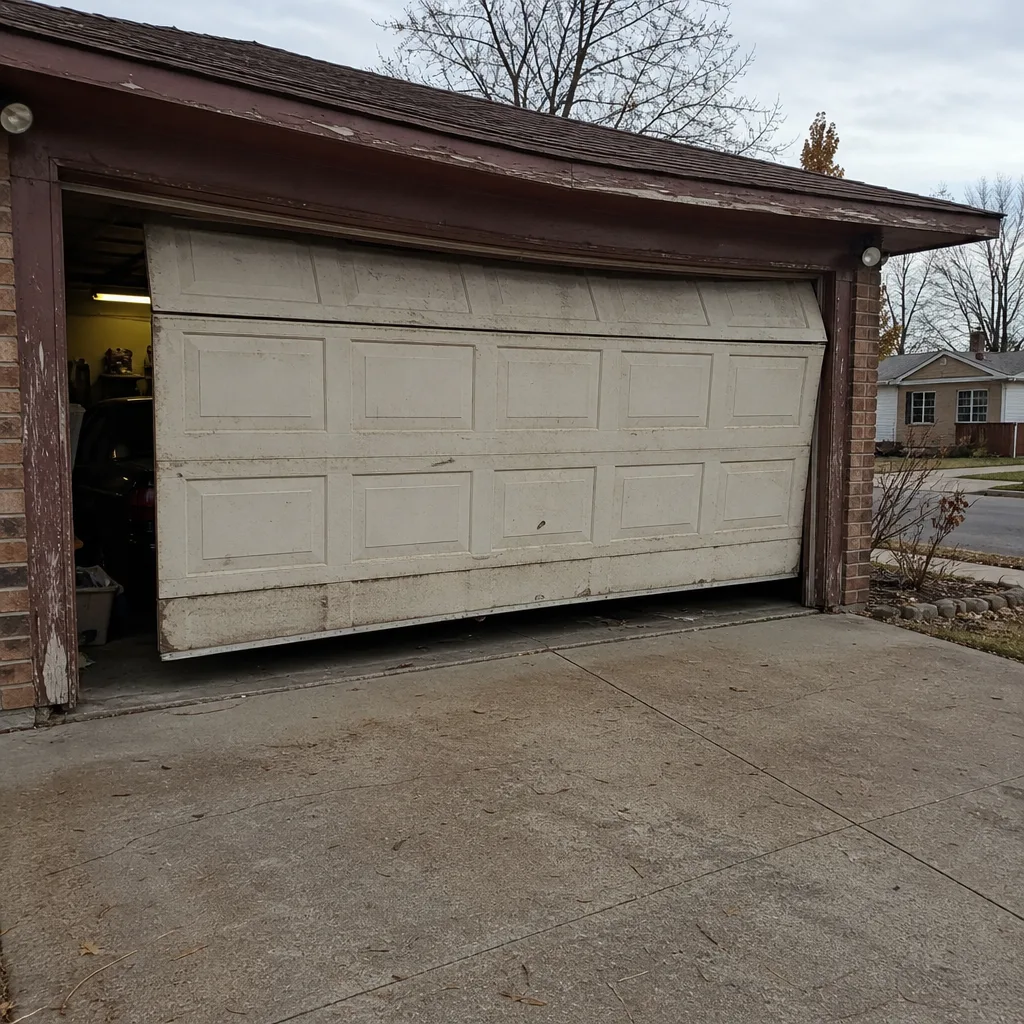 Before
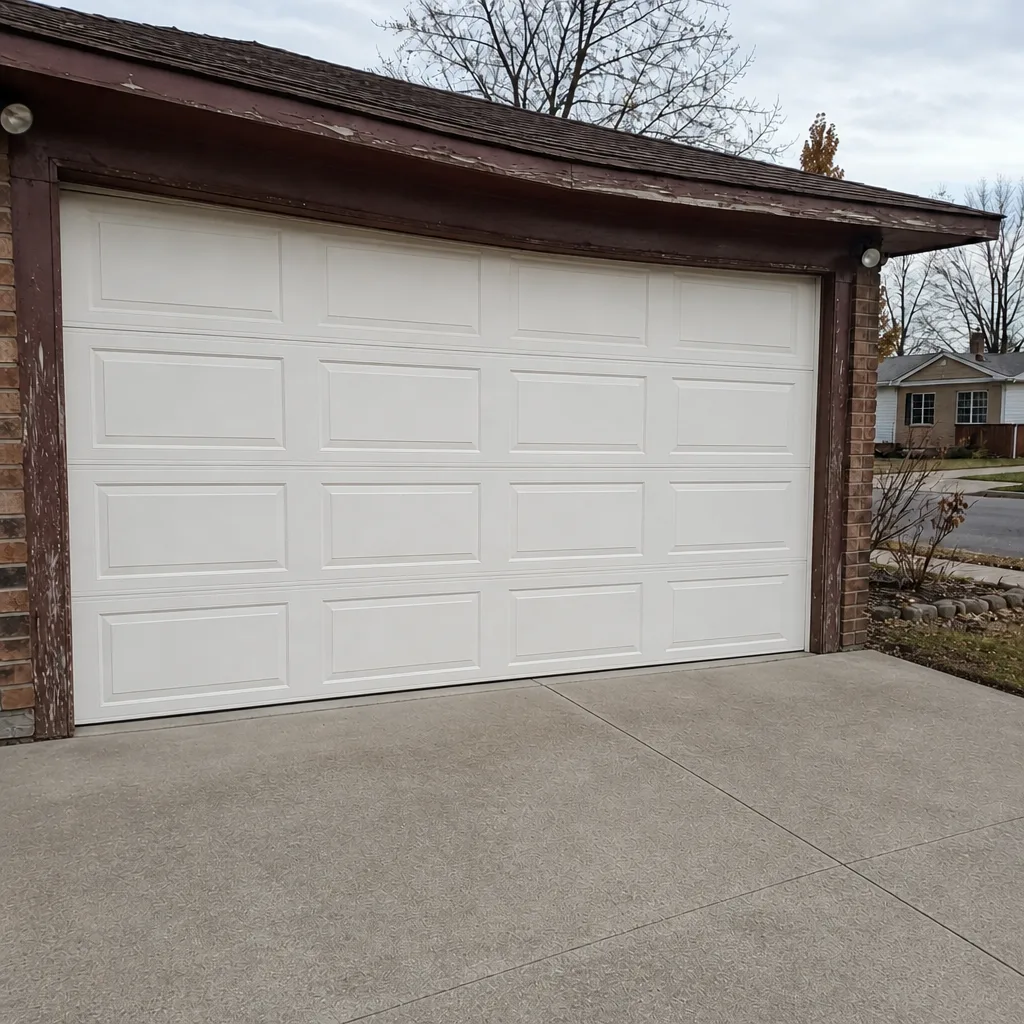 After
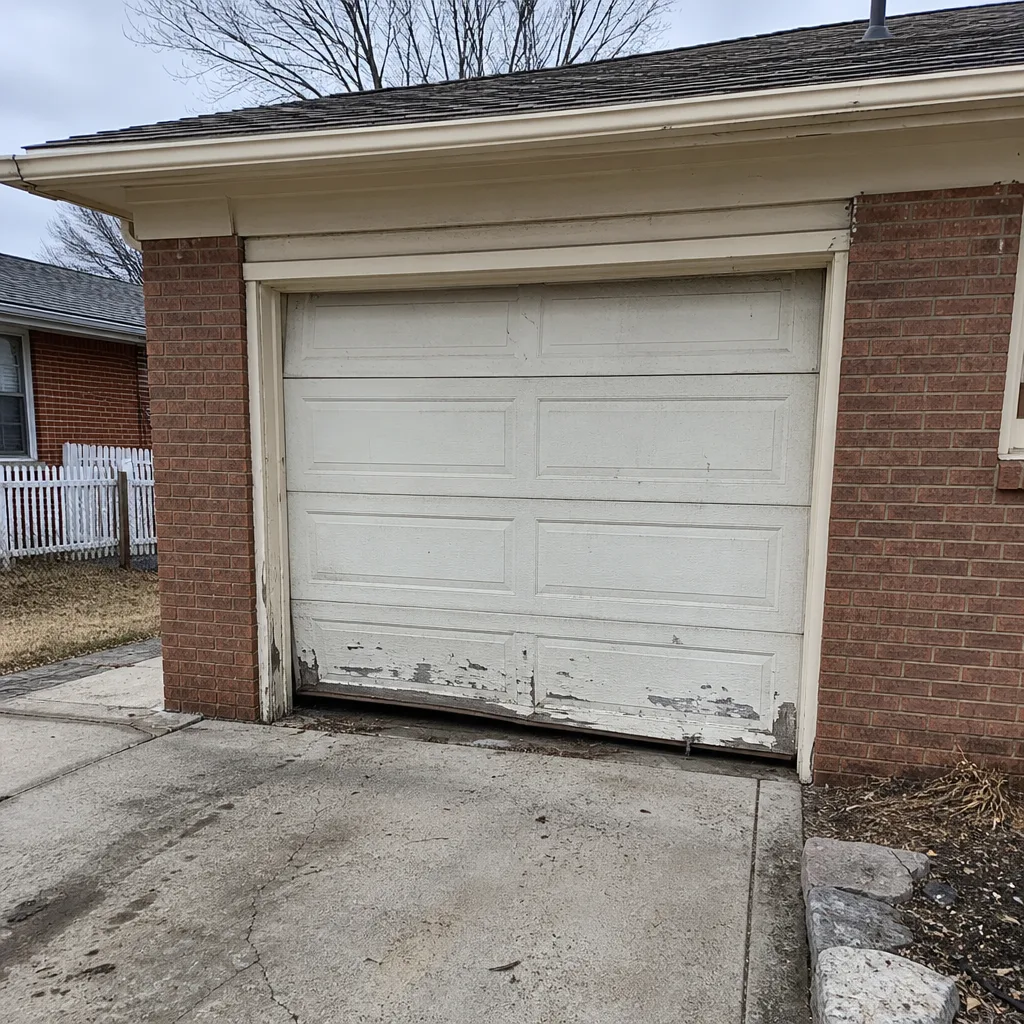 Before
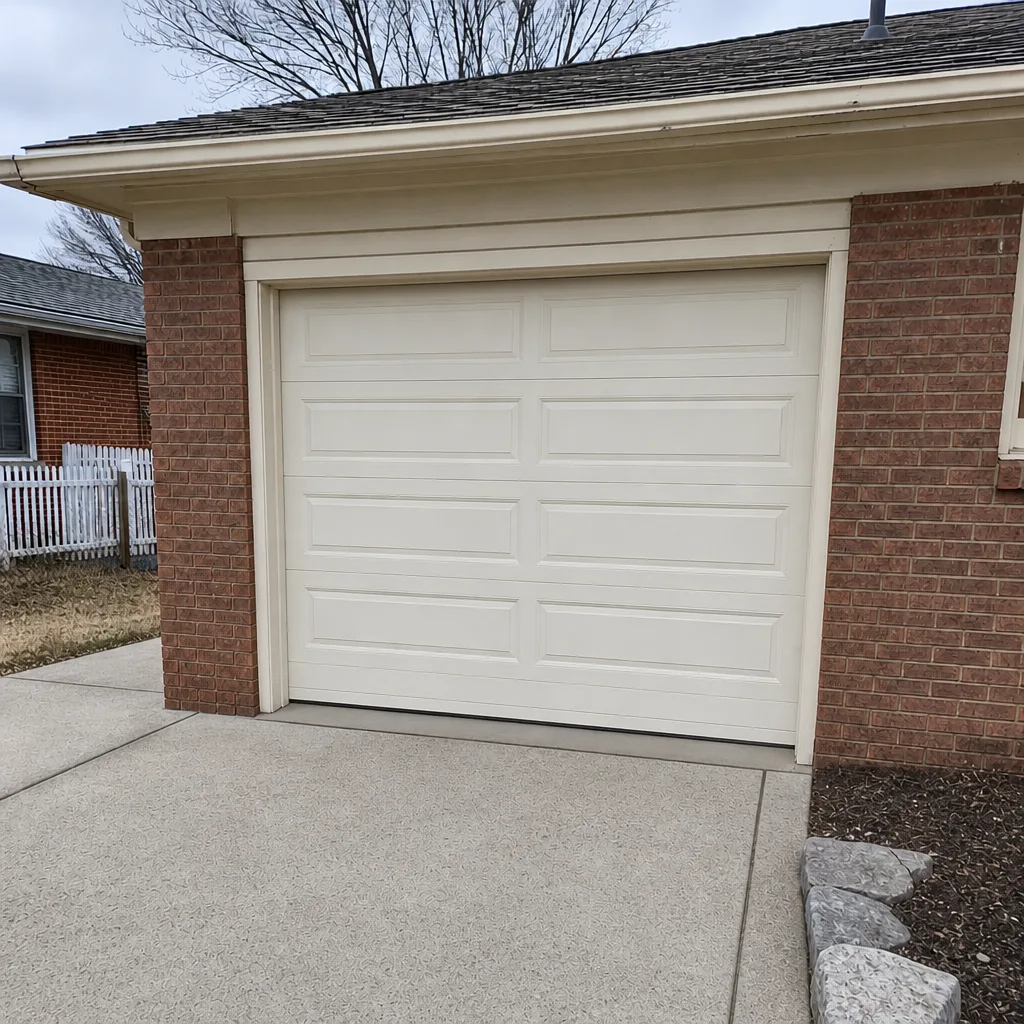 After
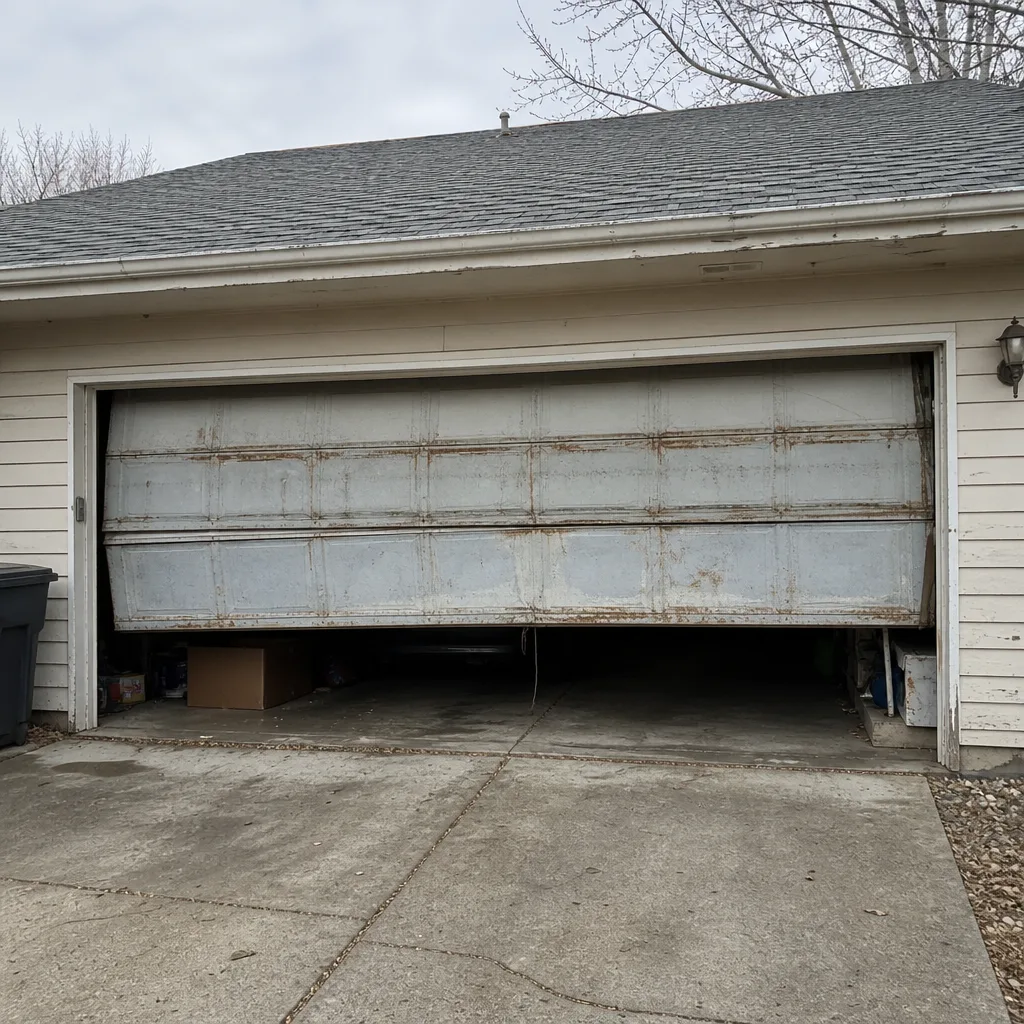 Before
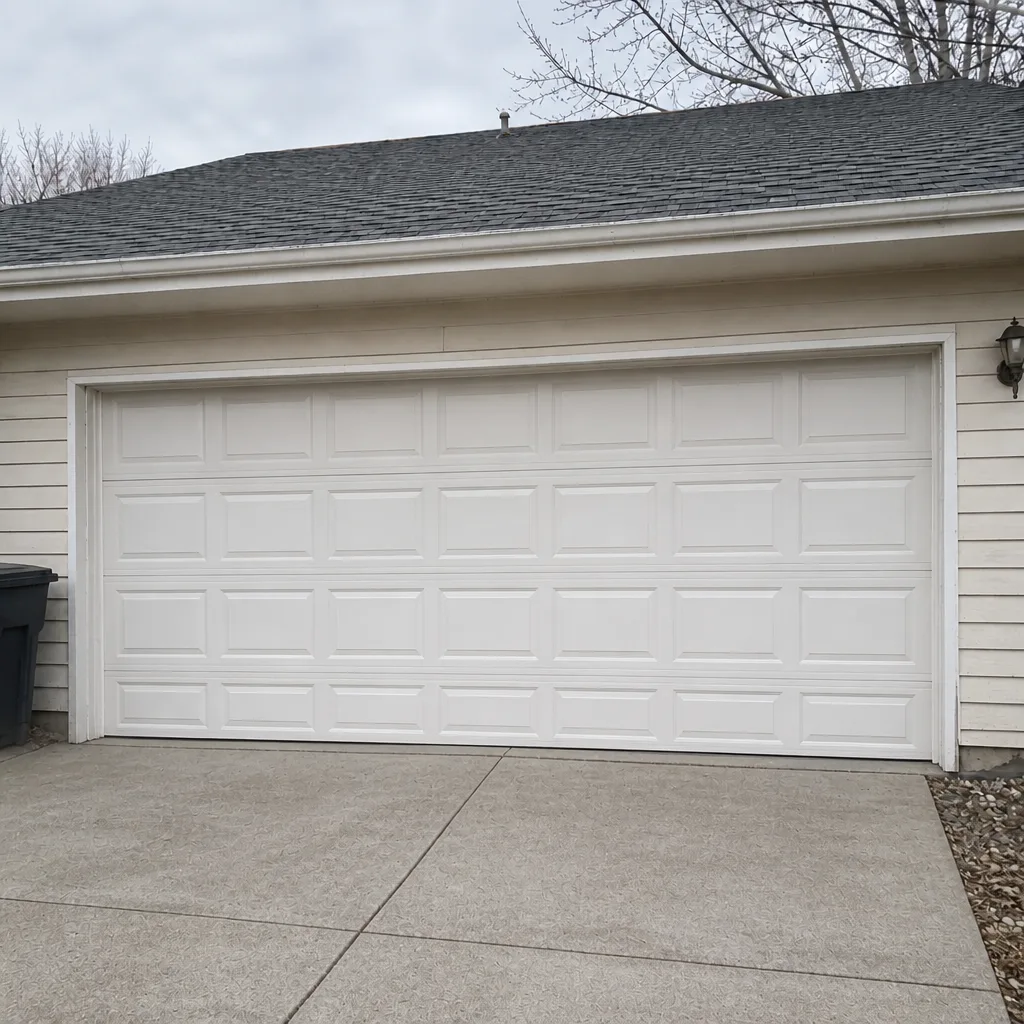 After
When to Call a Professional
Call a professional when the door won’t open or close smoothly, when the opener runs but the door doesn’t move, when you see a broken spring, or when the door comes off its track. Call if the door reverses for no reason, if the springs look stretched or uneven, or if you’re planning a replacement and need accurate measurements. Call if the door is heavier than it used to be, or if you’ve recently upgraded the door and the opener is straining. Spring work, opener replacement, and full installations all need a specialist, not a general handyman. Garage Door Repair Washington Park offers free estimates in Washington Park. Call (866) 369-6074. We answer 24/7. Fast dispatch from 7am to 7pm, Sunday through Friday.
Frequently Asked Questions
Spring replacement typically runs $180-$340 for one spring. A matched pair is usually replaced together and costs about twice that. The written estimate sets the final price, and it’s quoted before any work starts. Call (866) 369-6074 for an exact quote – estimates are free.
Same-day service is often possible for repair calls. We answer 24/7, and crews are dispatched with fast dispatch from 7am to 7pm, Sunday through Friday. A call outside dispatch hours is booked into the next opening. Call (866) 369-6074 and we’ll find the soonest slot.
No. The price is quoted and agreed before any work starts. If the scope changes after diagnosis, we discuss it and agree on the new price before proceeding. You won’t get an invoice that’s higher than the estimate without your approval. Call (866) 369-6074 to schedule a free estimate.
The local professional we connect you with is licensed and insured as Colorado requires. Our technicians have up to 12 years of experience working on garage doors across the major brands. Call (866) 369-6074 to book a visit.
Older Washington Park garages often have springs that were sized for a lighter original door. When a heavier insulated door is installed, the springs are undersized and fatigue faster. Front Range temperature swings add stress. Having the spring rating checked against the actual door weight solves the root cause. Call (866) 369-6074 for a free estimate.
Often yes. Panel replacement runs $150-$500 per panel depending on material and brand. Clopay, Amarr, and Wayne Dalton panels need to match the model, so brand matters. We’ll confirm availability and give you a written estimate before ordering. Call (866) 369-6074 to get started.
The Bottom Line
Washington Park’s older housing stock and Denver’s hail season shape almost every garage door decision here. The garage was built for a 7-foot door and manual operation, so replacements need careful measuring and openers need to fit limited headroom. Springs get undersized when doors get heavier. Materials need to survive hail without voiding their warranty. And brand familiarity with LiftMaster, Genie, Clopay, Amarr, and Wayne Dalton saves time on every repair. Knowing your garage’s dimensions, spring rating, and opener brand before you call puts you ahead of most homeowners. When you’re ready, a specialist who works on these doors every day will get it right the first time.
Call (866) 369-6074 for a free estimate. We answer 24/7. Fast dispatch from 7am to 7pm, Sunday through Friday.
Written by the team at Garage Door Repair Washington Park.