
Last updated November 22, 2026
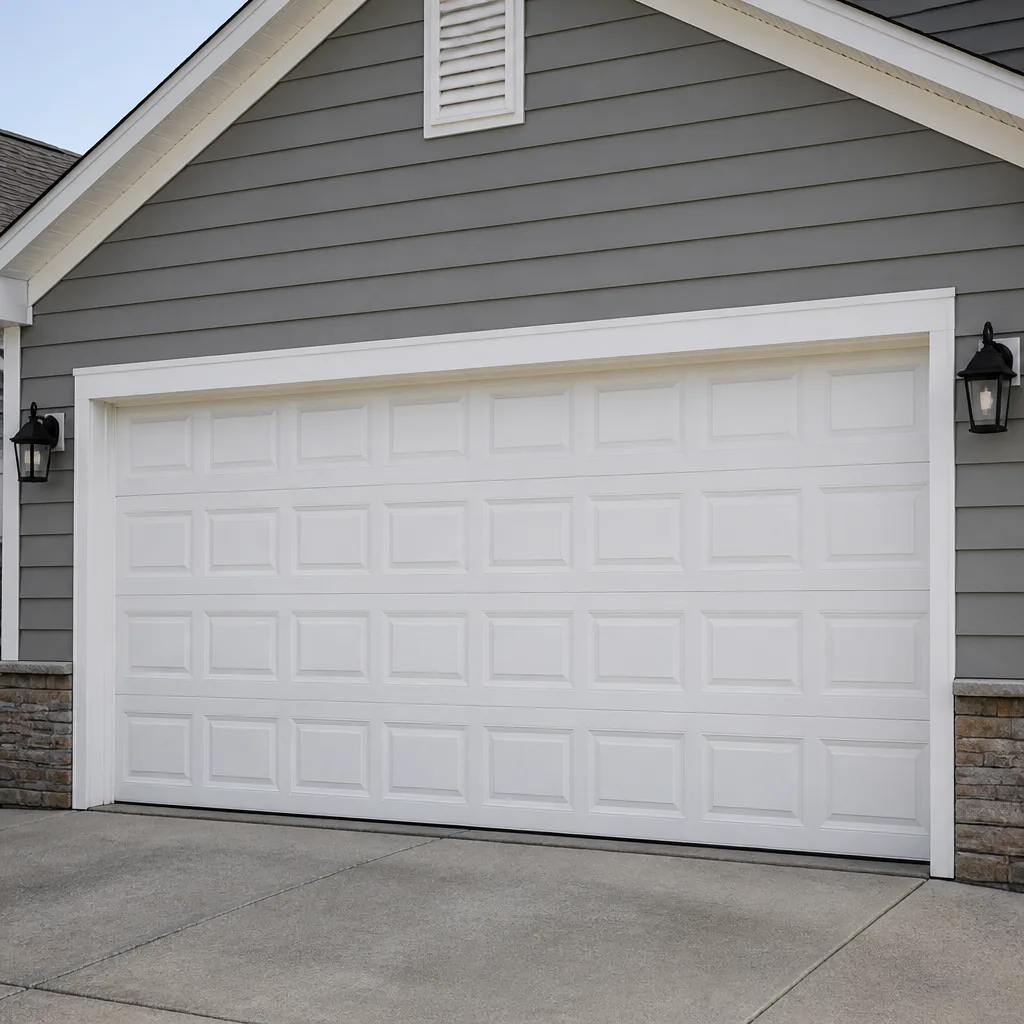 Raised-panel steel
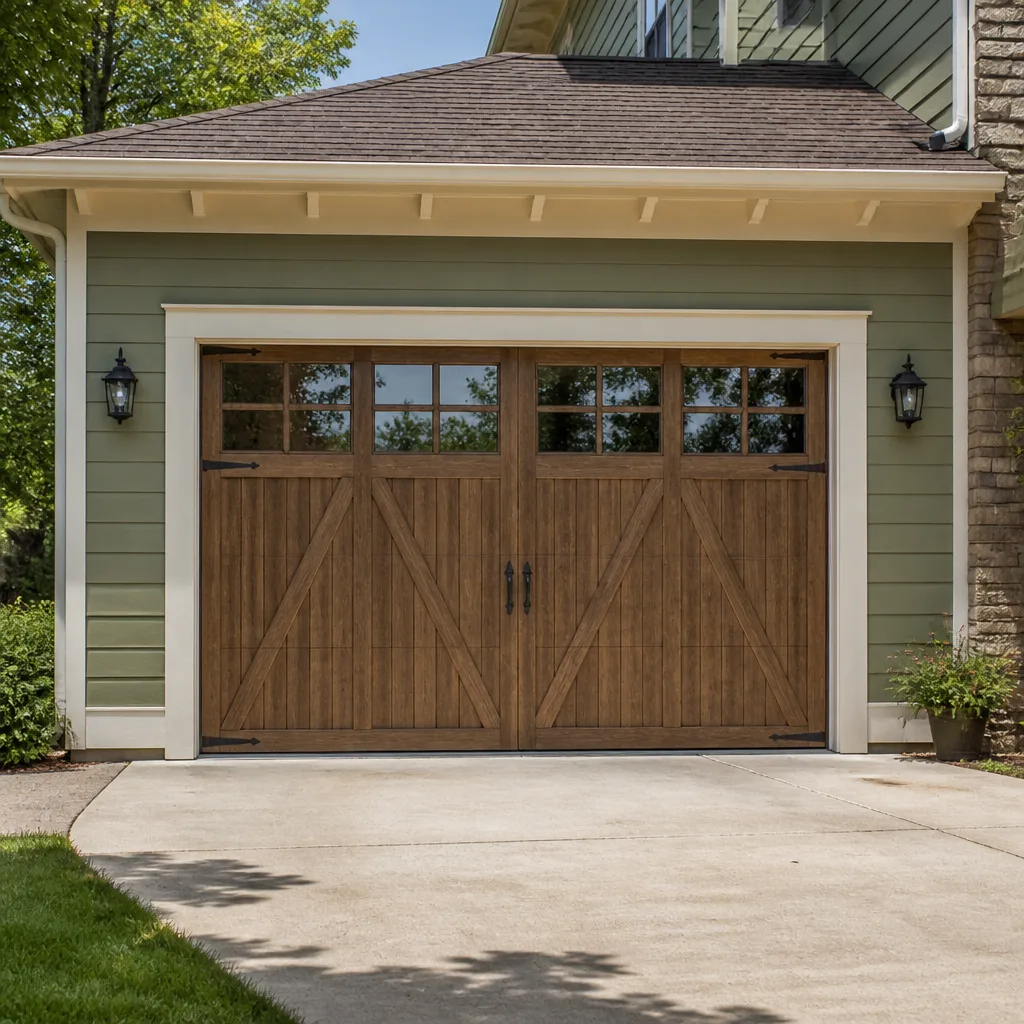 Carriage house
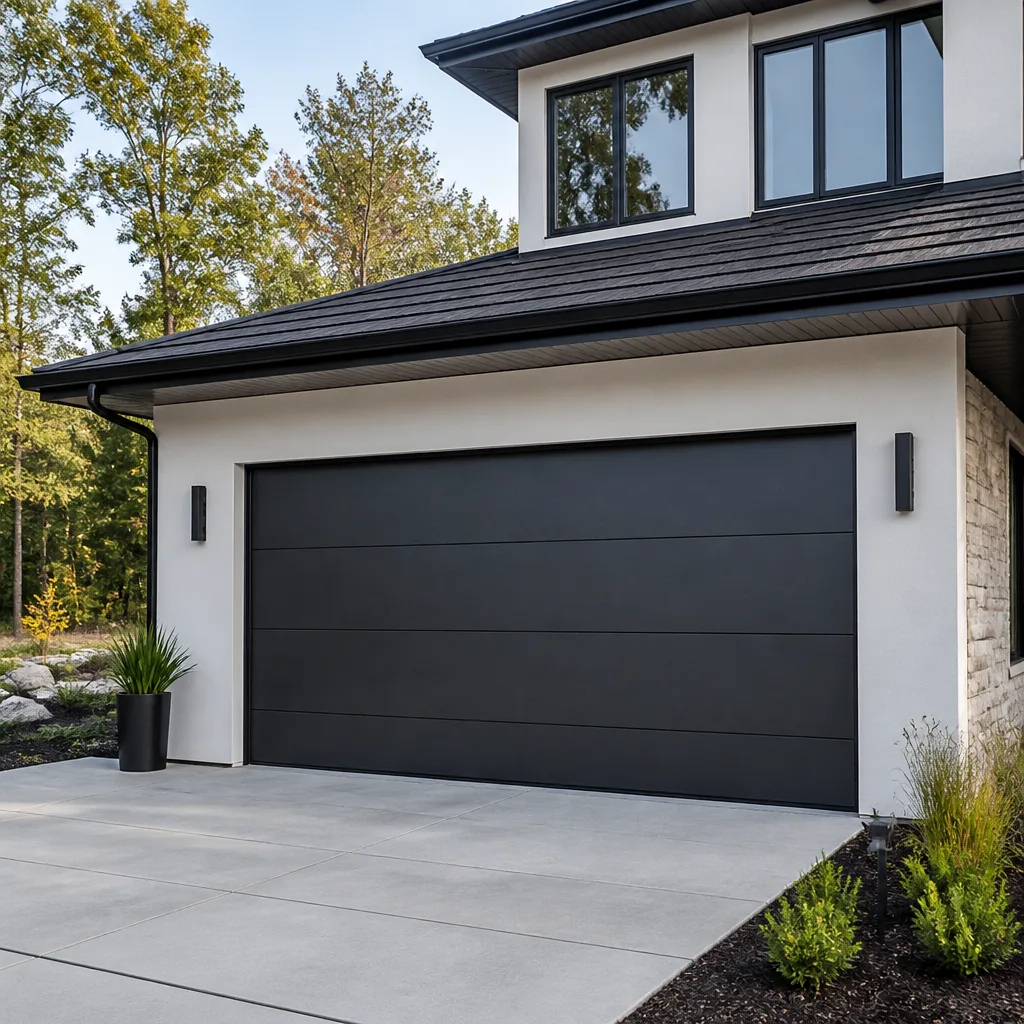 Modern flush
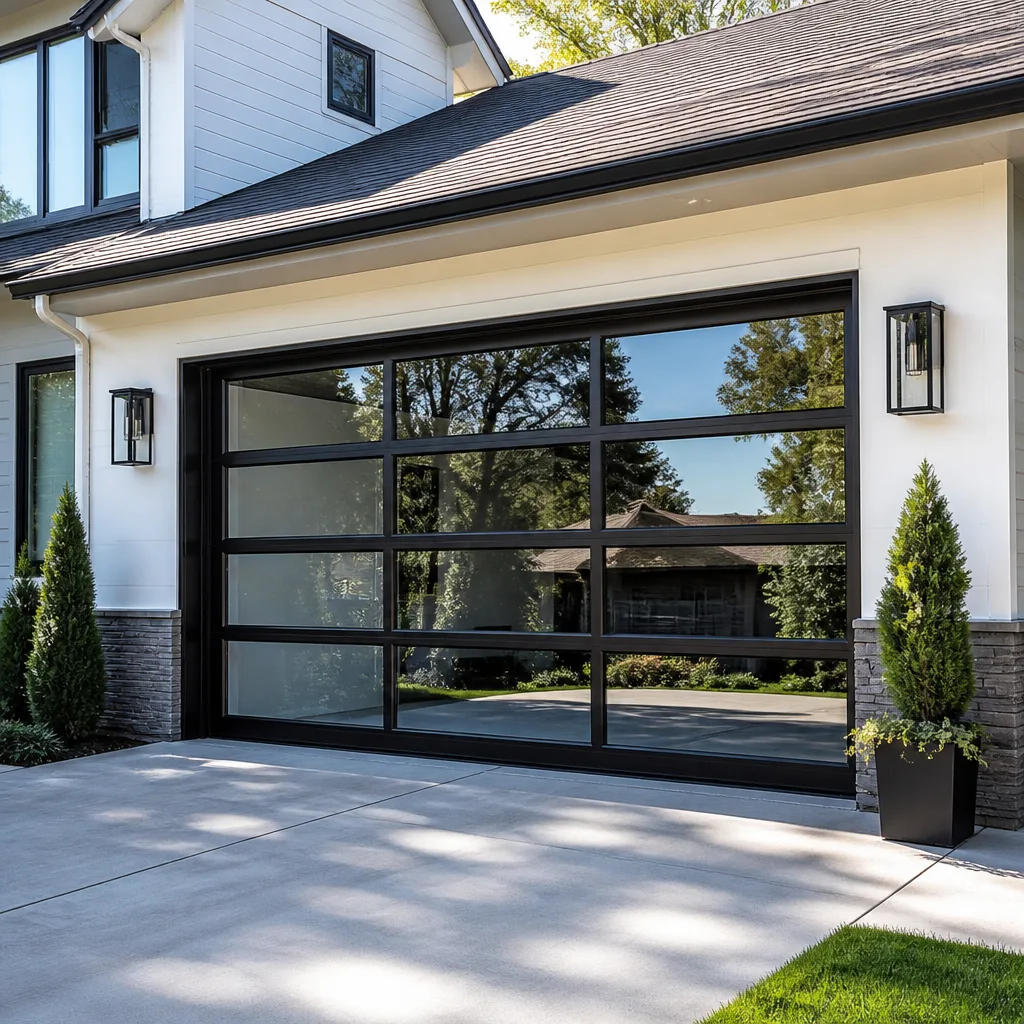 Full-view glass
 LiftMaster openers
 Chamberlain openers
Full 25-point door and opener safety check with every visit - springs, cables, rollers, tracks, and your LiftMaster or Chamberlain opener included
You get a price before we start. It does not change when the pro arrives.
Get your free estimateDIY vs Professional Garage Door: The Washington Park Homeowner’s Decision Guide
Most DIY-versus-pro advice about garage doors is written as if the only question is how handy you are. That’s the wrong question. A torsion spring under load stores enough energy to cause permanent injury when it releases unexpectedly, and that’s not a liability disclaimer, it’s physics. No amount of confidence changes it. Meanwhile, swapping a bottom weather seal or realigning a photo-eye is genuinely within reach for a careful homeowner with a Saturday and the right tools. This guide draws the line task by task, so you know which jobs you can take on in your Washington Park garage and which ones belong to a technician. You’ll get a cost-comparison that accounts for failure risk, the warranty trap that catches people who install their own door, and the specific tools that separate a controlled job from a dangerous one.
Quick Answer
Some garage door work is reasonable DIY: weatherstrip, rollers on extension-spring doors, sensor alignment, and remote programming. Spring replacement, cable replacement, and opener rail work on a heavy door are professional jobs because a mistake can injure you or drop the door. If your door is a new install or a full replacement, the manufacturer warranty usually requires professional installation, so hiring out protects both your safety and your coverage.
Styles & brands we work with
- Raised-panel steel
- Carriage house
- Modern flush
- Full-view glass
- LiftMaster openers
- Chamberlain openers
Table of Contents
- The Task-by-Task Breakdown: What’s Safe to DIY and What Isn’t
- Why Torsion Springs Sit in a Different Risk Category
- The Warranty Trap Most DIYers Miss on New Doors
- The Tools That Separate a Controlled DIY Job From a Dangerous One
- Cost Comparison: What a Failed DIY Spring Job Really Costs
- Colorado Cold and Your Garage: How Winter Changes the Risk Profile
- How to Diagnose Your Door Before You Decide
- Openers, Remotes, and Sensors: The DIY-Friendly Zone
The Task-by-Task Breakdown: What’s Safe to DIY and What Isn’t
The useful way to split garage door work is by what happens if the task goes wrong, not by how hard it looks. Some jobs fail harmlessly; a misaligned sensor just blinks and refuses to close. Others fail violently. Here’s how we sort the common repairs when a homeowner in Washington Park asks us what they should attempt themselves.
Reasonable for a prepared homeowner:
- Weatherstrip and bottom seal replacement. The rubber seal along the bottom of the door wears out from contact with the concrete and from Colorado’s freeze-thaw cycles. Replacing it is a low-risk job with basic hand tools.
- Roller replacement on an extension-spring door. With the door fully open and the springs relaxed, swapping worn nylon rollers is manageable. On a torsion-spring door, the cables stay under tension even when open, so this one gets more complicated.
- Safety sensor alignment. The photo-eye pair near the floor needs a clear line of sight. Loosening the bracket, nudging the sensor, and retightening is straightforward.
- Remote and keypad programming. Most Chamberlain and Genie openers pair a new remote in a few button presses. The manual walks you through it.
- Light lubrication. A garage door specific lubricant on hinges, rollers, and the track keeps things quiet. This is maintenance, not repair, and it’s safe.
Belongs with a specialist:
- Torsion and extension spring replacement. Springs store the energy that lifts the door. Releasing that energy wrong is how people get hurt.
- Cable replacement. Cables are under the same tension as springs and can whip if they slip a drum.
- Opener rail realignment on a heavy door. A sagging or misaligned rail on a heavy door can bind and drop. This is a two-person job with real weight overhead.
- Panel and section replacement. Getting a new section to seat evenly in the track without binding takes experience.
- Track straightening after an impact. A bent track usually means the door came out of alignment, and forcing it back can crack a panel.
If you’re unsure which category your repair falls into, garage door repair starts with a diagnosis, and knowing what’s actually wrong is half the decision.
Why Torsion Springs Sit in a Different Risk Category
A torsion spring holds the full weight of the door in tension, and when it’s wound, that stored energy is released the moment the winding hardware slips. That’s why spring replacement is the one garage door task where the stakes are physical, not just financial. We’ve seen the result of a spring that let go mid-wind, and it’s the reason we treat spring work as its own discipline rather than a general repair.
The mechanics matter here. A torsion spring is mounted on a shaft above the door and wound to a specific number of turns matched to the door’s weight. Getting that count wrong doesn’t just make the door heavy; it can overload the spring or leave the door unbalanced enough to fall. Extension springs, the older style that stretch along the horizontal tracks, carry their own risk and typically need safety cables running through them so a broken spring stays contained.
What makes this different from, say, a stuck roller is that there’s no safe “try it and see” step. A homeowner without winding bars, without a way to lock the door in place, and without knowing the door’s weight can’t do this safely, and the injury risk is immediate rather than gradual.
This is why spring repair is a dedicated service for us rather than an add-on. If your door won’t lift, or you heard a loud bang from the garage and the door is suddenly dead weight, that’s a spring. Call Garage Door Repair Washington Park and we’ll tell you what’s involved before anyone touches the door. We answer 24/7, and fast dispatch from 7am to 7pm gets a technician out to look. For the full picture on this job, our garage door spring repair page covers how we handle it.
The Warranty Trap Most DIYers Miss on New Doors
Here’s the part most homeowners don’t learn until it’s too late: the manufacturer warranty on a new Clopay, Amarr, or Wayne Dalton door is generally voided by self-installation. That’s not a scare tactic, it’s a common clause. The manufacturers assume a professional installer will hang the door square and set the springs to the right tension, and they write their coverage accordingly.
What that means in practice is a quiet shift of risk. If you install your own door and a section cracks six months later, or a spring fails early, the conversation is no longer between you and the manufacturer. You’re on your own for the panel, the labor, and any damage to the door or the framing. The money you save on installation can disappear on the first warranty claim that gets denied.
It cuts the other way for repairs, too. If a technician installs a door and something goes wrong under coverage, that’s handled. If you install it and then piece together a repair, you may be paying twice for the same problem because the first attempt wasn’t covered.
The same logic applies to a full replacement rather than a fresh install in a new garage. When a door is measured, ordered, and mounted as a unit, the warranty terms travel with the professional install. That’s the main reason garage door installation is one of those jobs where the specialist route pays for itself in coverage alone. It also matters that the door is hung square on the first try, because a door that binds wears out its springs and rollers faster, warranty or no warranty.
Our advice: check the warranty paperwork before you decide to install anything yourself. If the language says professional installation is required for coverage, that settles the question.
The Tools That Separate a Controlled DIY Job From a Dangerous One
The difference between a safe DIY task and a reckless one is often a handful of specific tools. This isn’t a generic toolbox list, it’s the items that actually change the risk on a garage door job. In our experience, a homeowner who has these on hand is working carefully; a homeowner who doesn’t is improvising on equipment that stores stored energy.
- Winding bars. For torsion spring work, two solid steel winding bars are the only right tool. A screwdriver or a ratchet extension can slip out of the winding cone, and that’s the moment the spring releases.
- C-clamps. A pair of C-clamps on the vertical track, just below the bottom roller, holds the door in place while you work. Without them, the door can drop unexpectedly.
- Locking pliers. Vise-grips on the torsion shaft or the track keep parts from shifting while you’re loosening or tightening hardware.
- A proper stepladder. A stable ladder that reaches the spring height without stretching. Reaching up from a chair or a bucket is how falls happen.
- Safety glasses and gloves. Springs and cables can throw debris or snap back, and gloves protect hands from the sharp edges of the track and hinges.
- A torque wrench for opener mounting. Bolts that hold the opener rail and brackets should be snug, not overtightened. Overtightening is a common cause of vibration noise after a DIY opener swap.
Notice what’s not on this list: a way to safely wind a torsion spring. Even with the right bars, the winding itself is a skill. The tools protect you; they don’t make the job a beginner task. For sensor and remote work, a screwdriver and the opener manual are usually all you need.
We keep parts on hand for the brands we know, from LiftMaster and Chamberlain openers to Clopay and Amarr doors, so when a DIY attempt stalls partway through, we can often finish it without waiting on a special order. That’s the value of garage door parts being a named service rather than an afterthought.
Cost Comparison: What a Failed DIY Spring Job Really Costs
The smart cost comparison isn’t just the price of a professional spring replacement against the price of a spring and a Saturday. It’s the price of a professional replacement against the price of a spring plus the cost of whatever breaks if the door comes off the track during the attempt. That second number is where the math changes.
Here’s how the two paths stack up:
- Professional spring replacement. One spring is typically in the range of $180 to $340 for the repair; a matched pair, which is usually replaced together, runs about twice that. The written estimate sets the final price, and it’s quoted and agreed before any work begins.
- DIY spring replacement. The spring itself is a modest purchase, plus the winding bars and clamps you may not own. The real cost shows up if the door slips the track or a panel cracks, because then you’re paying for track straightening, panel replacement, or a full door service on top of the spring you already bought.
- DIY on a new door install. You save on labor but may lose the manufacturer warranty, which shifts any future panel or spring failure onto you.
For a simple weatherstrip or roller swap, the DIY math works in your favor. For springs, the honest comparison is “professional price” versus “professional price plus repairs to whatever the attempt damaged.” When the failure cost is higher than the repair, hiring out is the cheaper decision even before you count the injury risk.
If a spring has already snapped and the door is stuck, that’s an urgent call, and we can talk through pricing on the phone. Call (866) 369-6074 for a free estimate. We answer 24/7.
Colorado Cold and Your Garage: How Winter Changes the Risk Profile
Working on a garage door in an unheated Washington Park garage in January is not the same job as doing it in July. The cold changes three things that matter for safety and for whether the repair holds. This is the local factor that generic DIY guides skip entirely.
First, metal temperature. Cold steel and cold springs behave differently. A spring that’s been sitting in a below-freezing garage is more brittle, and a door that’s stiff with cold puts more load on the spring when it moves. Second, lubricant viscosity. Garage door lubricant thickens in the cold, so the door moves less freely until things warm up, which can mask a problem or make a misaligned track seem worse than it is. Third, your own dexterity. Cold hands lose feeling and grip, and the winding bars and small hardware demand both. A task you’d manage comfortably inside becomes a task where a tool slips.
If you’re doing a weatherstrip replacement or a sensor check in winter, let the door warm up in the sun if you can, wear gloves with grip, and take your time. For anything involving springs or cables in a cold garage, the risk profile is high enough that we’d rather you call. A technician arrives with the right tools and the door already measured against its spring tension, and we can work the job in a way a homeowner can’t standing on a cold ladder.
Washington Park’s summers bring the opposite concern: heat expansion, and the seasonal swing between a garage door that’s been baking in the sun all afternoon and one that’s just come out of a cold night. Doors in Washington Park do a lot of expanding and contracting over a year, and that’s hard on springs and hinges. Checking hardware once a season catches most of it early.
How to Diagnose Your Door Before You Decide
Before you pick up a tool, spend ten minutes figuring out what’s actually wrong. Diagnosis determines whether you’re looking at a DIY task or a specialist job, and it prevents the classic mistake of replacing a part that wasn’t the problem. Here’s a simple sequence.
- Look for a broken spring. A torsion spring that’s broken shows a visible gap in the coil above the door. Extension springs that snap hang loose along the track. Either one means stop and call.
- Check the opener. Press the wall button. If the opener hums but the door doesn’t move, or the door reverses immediately, the issue may be the opener or the safety sensor rather than the door itself.
- Test the safety sensors. Wave an object through the beam near the floor. If the door doesn’t reverse or the opener light blinks, the sensors need alignment or replacement.
- Try the manual release. Pull the red cord to disengage the opener and lift the door by hand. If it’s very heavy or won’t stay up halfway, the springs or balance are the problem, not the opener.
- Inspect the track and rollers. Bent track, wobbly rollers, or a door that rubs on one side point to hardware or alignment issues.
- Listen. A rattle or squeal during operation usually means lubrication or a loose hinge, both low-risk to address.
Our technicians have up to 12 years of experience, and a lot of that is pattern recognition: the same symptoms on a Chamberlain opener point to a different fix than they do on a Genie. If diagnosis leaves you unsure, that uncertainty is itself a reason to let a specialist look. Garage door opener repair starts with a quick check that tells you whether the opener or the door is at fault.
Openers, Remotes, and Sensors: The DIY-Friendly Zone
If your garage door question is about the opener rather than the door, you’re mostly in DIY territory. Remotes, keypads, and sensor alignment are the tasks where a homeowner can save money with very little risk. The physics problem with springs doesn’t apply here; the worst outcome of a botched remote pairing is that it doesn’t work.
The tasks in this zone that make sense to try yourself:
- Programming a remote or keypad. Pull the opener manual or find the model number and follow the pairing steps. Most LiftMaster and Chamberlain units use a learn button on the back of the motor.
- Aligning the safety sensors. The indicator lights on each sensor tell you if they’re lined up. A small adjustment and a retighten usually fixes it.
- Replacing opener batteries. Remote batteries and keypad batteries are common failure points for a reason that has nothing to do with the opener itself.
- Clearing a jammed opener light. Sometimes a stuck bulb or a loose connection is the whole problem.
Where it stops being DIY: a motor that runs but won’t lift the door, a logic board that’s failed, or a gear and sprocket assembly that’s stripped. Those require opening the unit and replacing internal parts, and the wrong move can damage the opener beyond repair. If you’ve tried the simple steps and the opener still won’t behave, call Garage Door Repair Washington Park and we’ll diagnose it. We answer 24/7, and in most cases the fix is faster than a homeowner working through trial and error.
Common Mistakes to Avoid
- Attempting a torsion spring without winding bars. Using a screwdriver or ratchet extension in the winding cone is the single most common way people get hurt. The tool can slip out mid-wind, and the spring releases with the door’s full weight behind it.
- Assuming a heavy door means a bad opener. A door that’s suddenly too heavy to lift by hand usually has a broken or tired spring, not a failing motor. Replacing the opener won’t fix a spring problem and wastes money.
- Ignoring the warranty language on a new door. Self-installing a Clopay, Amarr, or Wayne Dalton door can void the manufacturer coverage. Read the paperwork before you start, not after something fails.
- Working on a cold garage floor in winter without a plan. Cold hands, stiff metal, and a slippery ladder in a Washington Park garage in January are a bad combination. If the job involves springs or cables, wait for a technician rather than pushing through the cold.
- Forcing a bent track back into place. A track that was hit or pushed out of line usually means the door sections are out of alignment too. Forcing it can crack a panel or bend a hinge, turning a small repair into a larger one.
- Overlooking the safety sensors after any repair. Sensors get bumped while you work. A door that closes on an object is a hazard. Test the reverse function every time you finish touching the door.
- Buying the wrong replacement part. Springs are matched to door weight and height, and rollers vary by track type. A spring that’s close but not right will wear out early or leave the door unbalanced.
See the difference
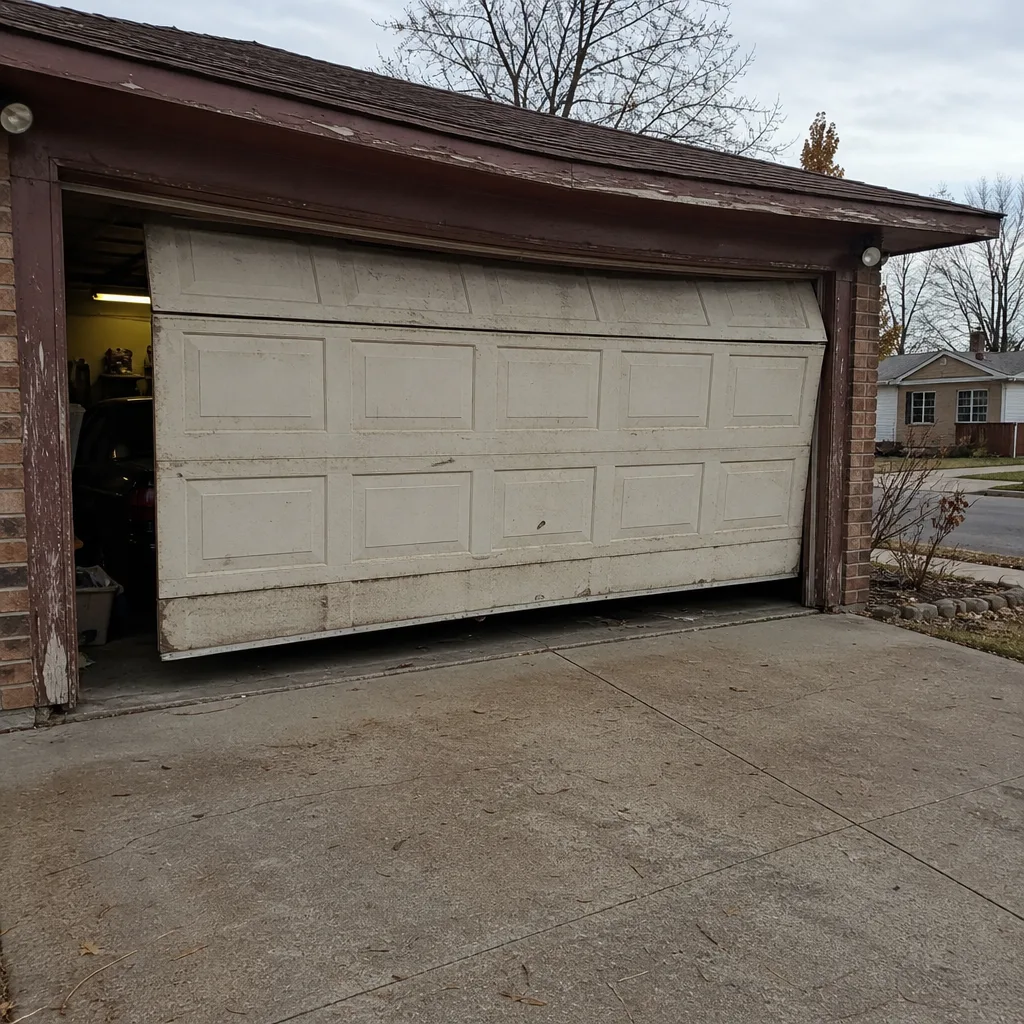 Before
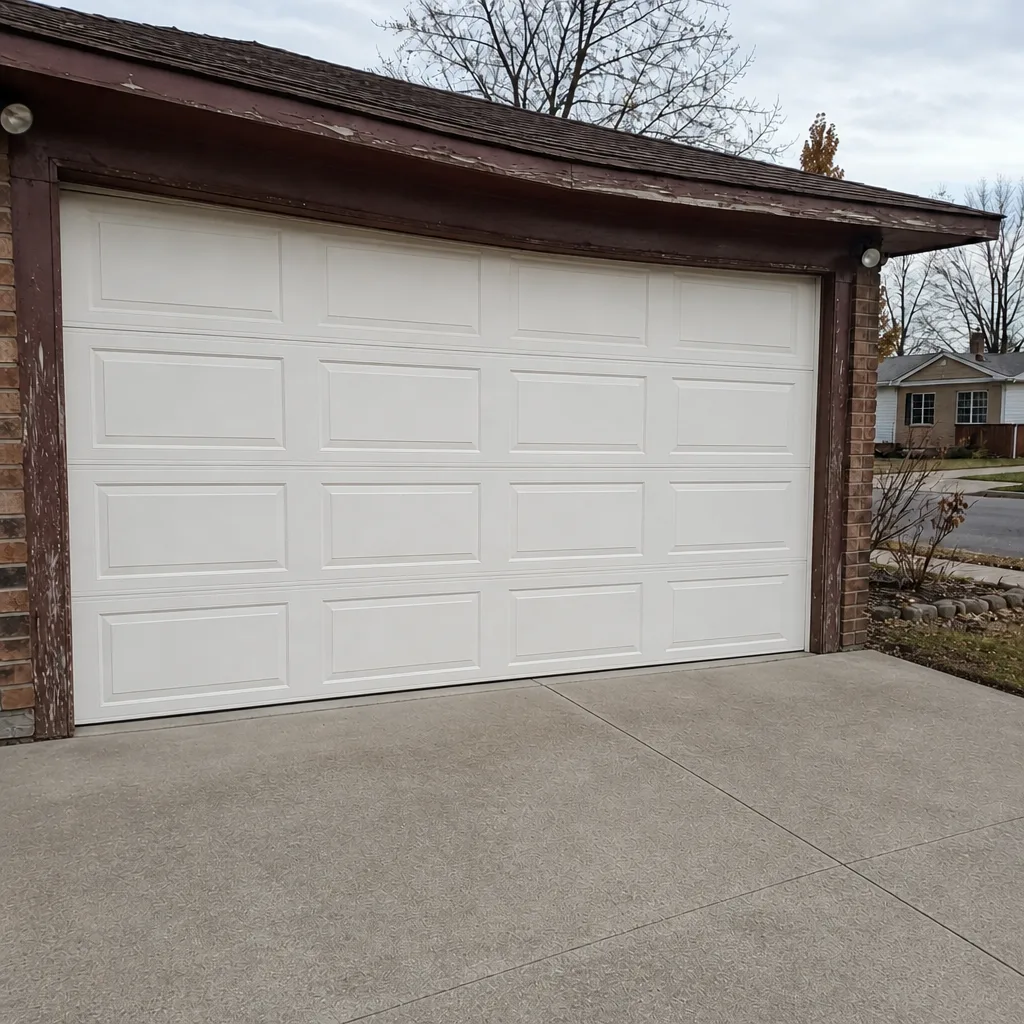 After
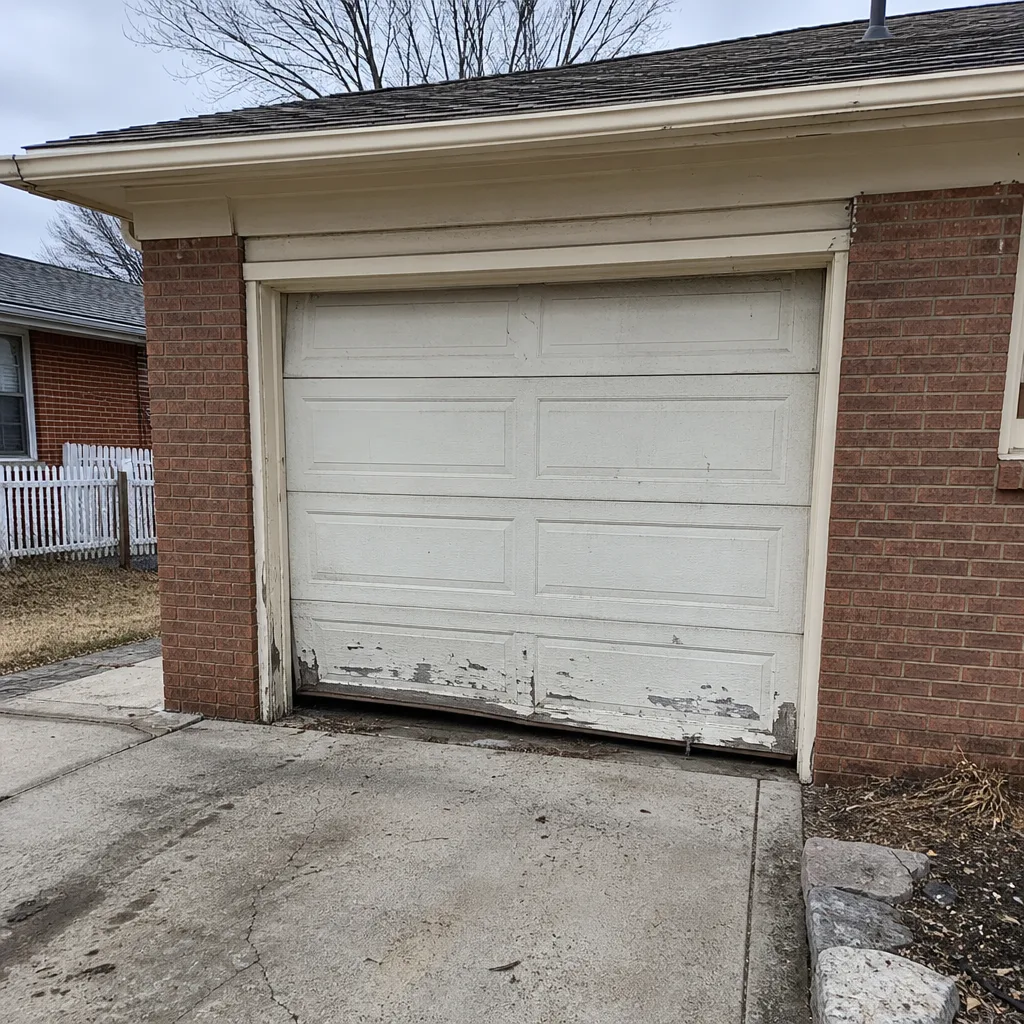 Before
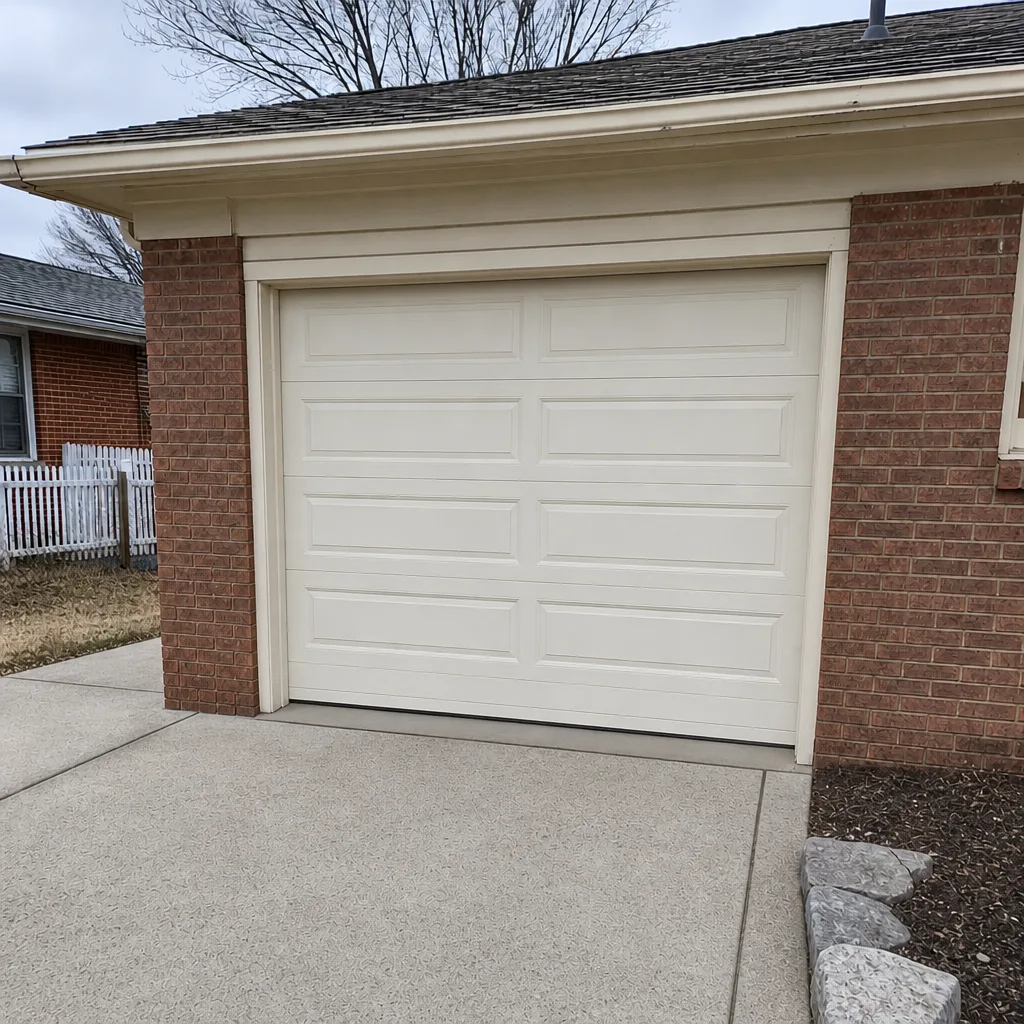 After
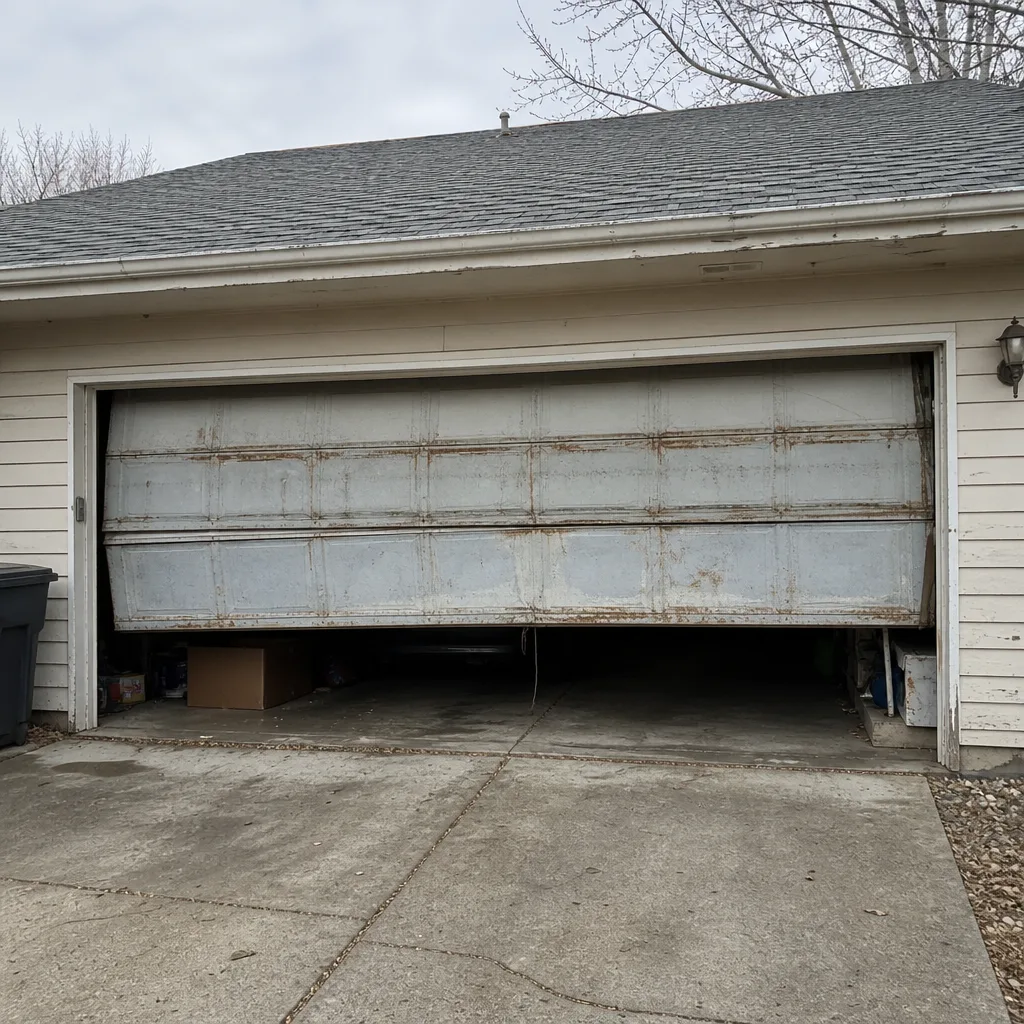 Before
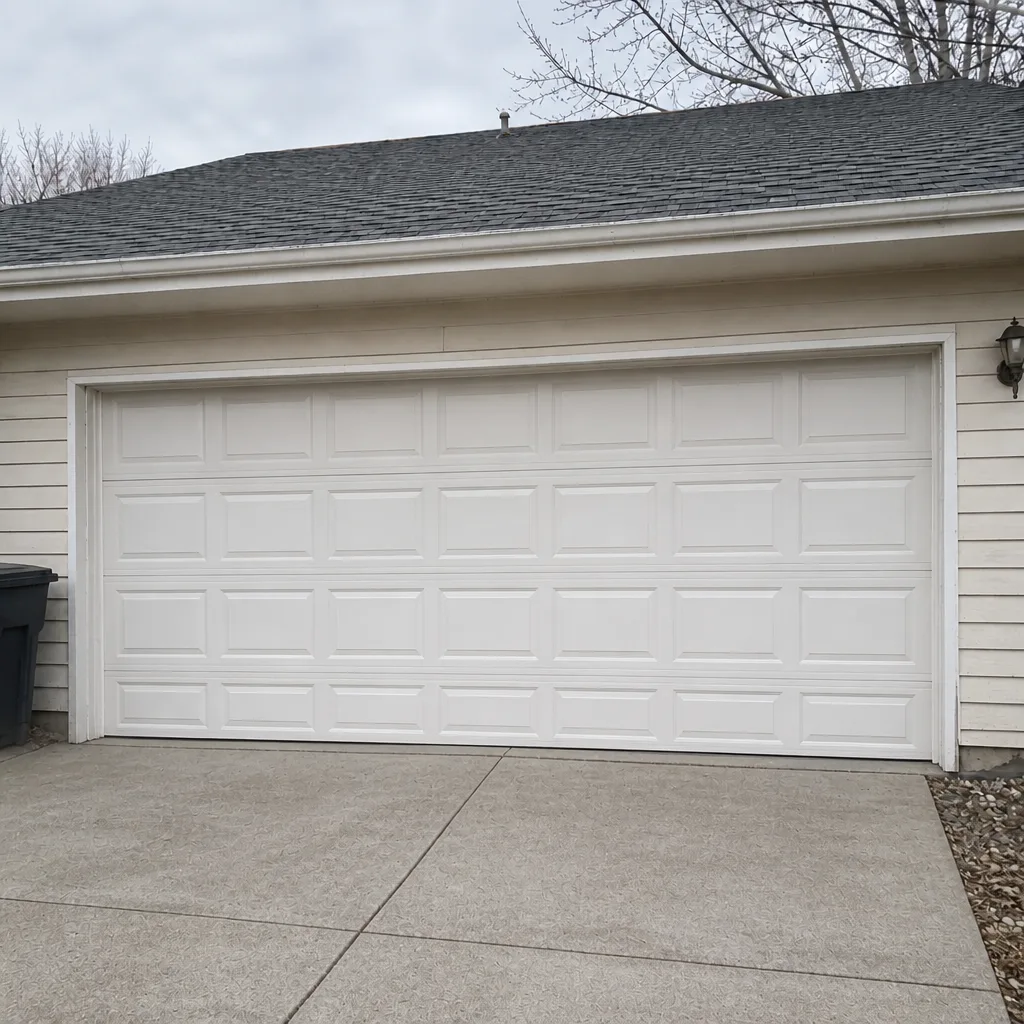 After
When to Call a Professional
Call a specialist when the job involves stored energy, overhead weight, or warranty coverage: a broken spring, a snapped cable, a door off its track, a heavy door that the opener can’t lift, or any new door install or full replacement. Those are the jobs where a mistake carries real consequences, and where the right tools and experience change the outcome. For the rest, weatherstrip, sensors, remotes, and light maintenance sit comfortably in DIY range. Garage Door Repair Washington Park offers free estimates in Washington Park. Call (866) 369-6074. We answer 24/7, with fast dispatch from 7am to 7pm, Sunday through Friday. If you call outside dispatch hours, we’ll book you into the next opening, and the price is quoted and agreed before any work starts.
Frequently Asked Questions
You shouldn’t. Torsion and extension springs store enough energy to cause serious injury when they release unexpectedly, and the job requires winding bars, clamps, and knowing the door’s exact weight. The professional repair typically runs $180 to $340 for one spring, or about twice that for a matched pair, and that’s a fair trade against the risk. Call (866) 369-6074 for a free estimate.
Weatherstrip replacement, roller swaps on extension-spring doors, safety sensor alignment, and remote or keypad programming are reasonable for a prepared homeowner. Anything involving springs, cables, or the opener’s internal parts is not. If you’re unsure which category your repair falls into, a quick call sorts it out.
In most cases, yes. The manufacturer warranty on new Clopay, Amarr, and Wayne Dalton doors generally requires professional installation, and self-installing can void coverage. That puts future panel or spring failures on your dime. Read the warranty paperwork before you decide, and call (866) 369-6074 if you want a professional install done right the first time.
One spring is typically $180 to $340, and a matched pair, which is usually replaced together, runs about twice that. The written estimate sets the final price, and it’s agreed before any work begins. Call (866) 369-6074 for an exact quote. Estimates are free.
In most cases, yes. A stuck door is usually a spring, cable, or opener problem, and we can often get a technician out the same day. We answer 24/7, and fast dispatch from 7am to 7pm covers Sunday through Friday. A call outside dispatch hours is booked into the next opening.
Fix it now if it’s not working. A door that won’t close leaves the garage exposed, and cold weather makes worn springs more likely to fail, not less. For a safe DIY job like weatherstrip or sensors, you can work in the cold with gloves and care. For springs or cables, call a technician rather than waiting or attempting it in the cold.
The Bottom Line
The DIY-versus-professional question for garage doors comes down to which tasks carry real risk and which don’t. Weatherstrip, sensor alignment, remotes, and light maintenance are within reach for a homeowner. Springs, cables, off-track doors, heavy-door opener work, and new installations belong with a specialist, both for safety and because manufacturer warranties generally depend on professional installation. In a Washington Park garage, winter cold adds a layer of risk to every task, which is one more reason to leave the high-energy jobs to a technician. When the decision is close, call (866) 369-6074. We answer 24/7.
Written by the team at Garage Door Repair Washington Park.