
Last updated November 22, 2026
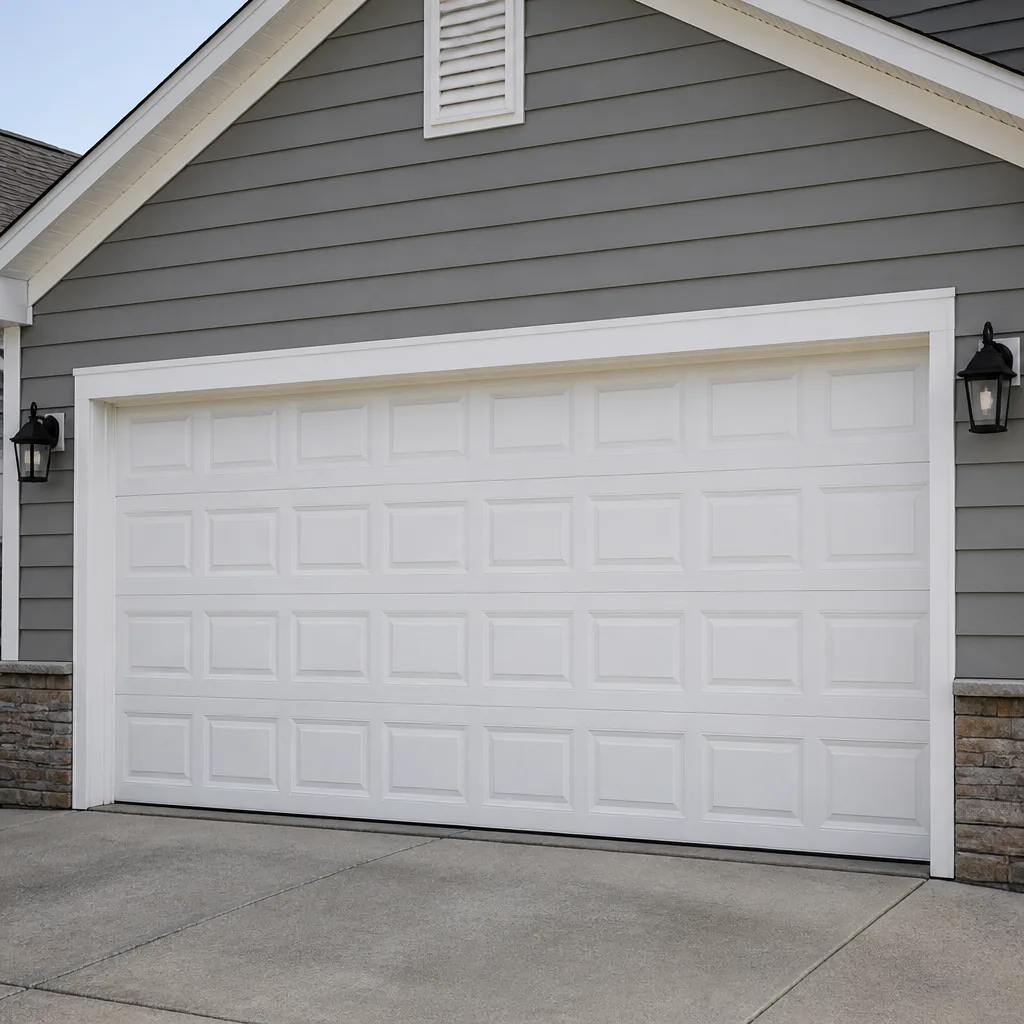 Raised-panel steel
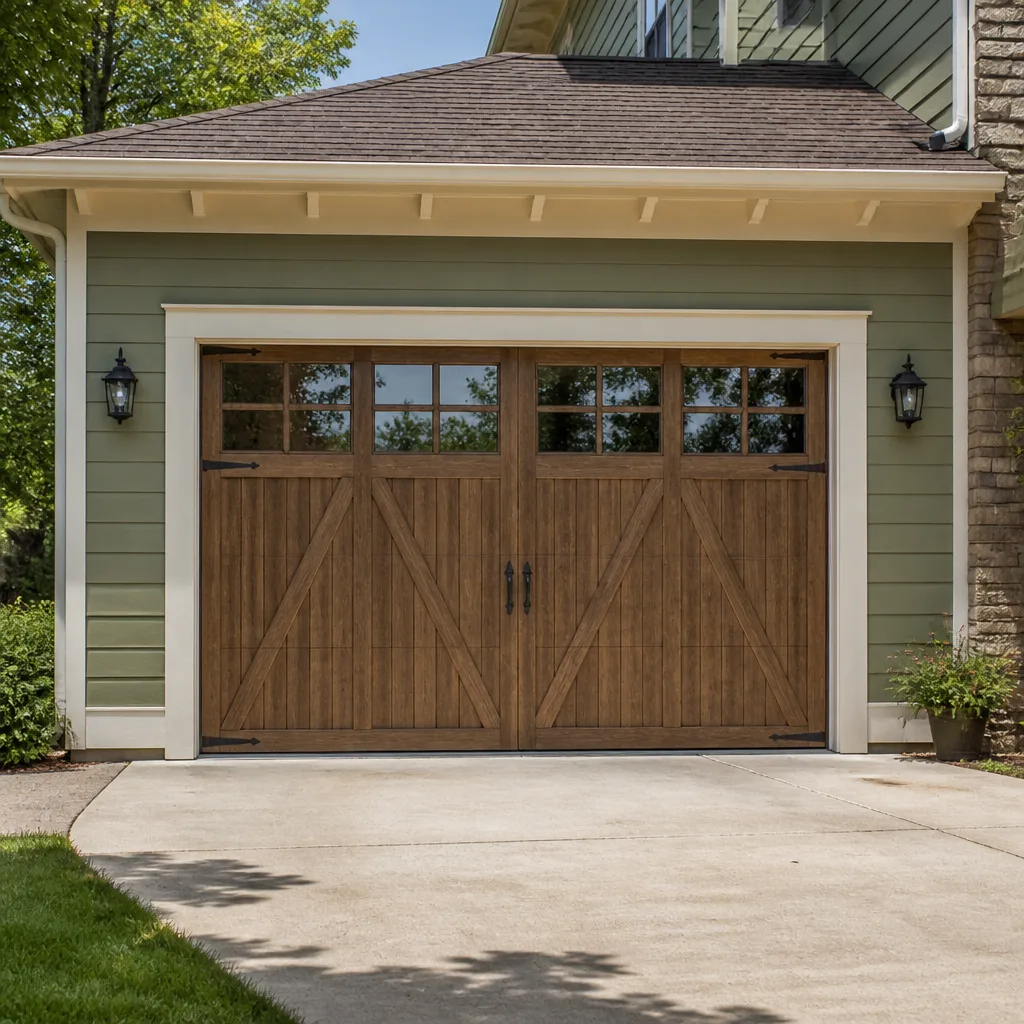 Carriage house
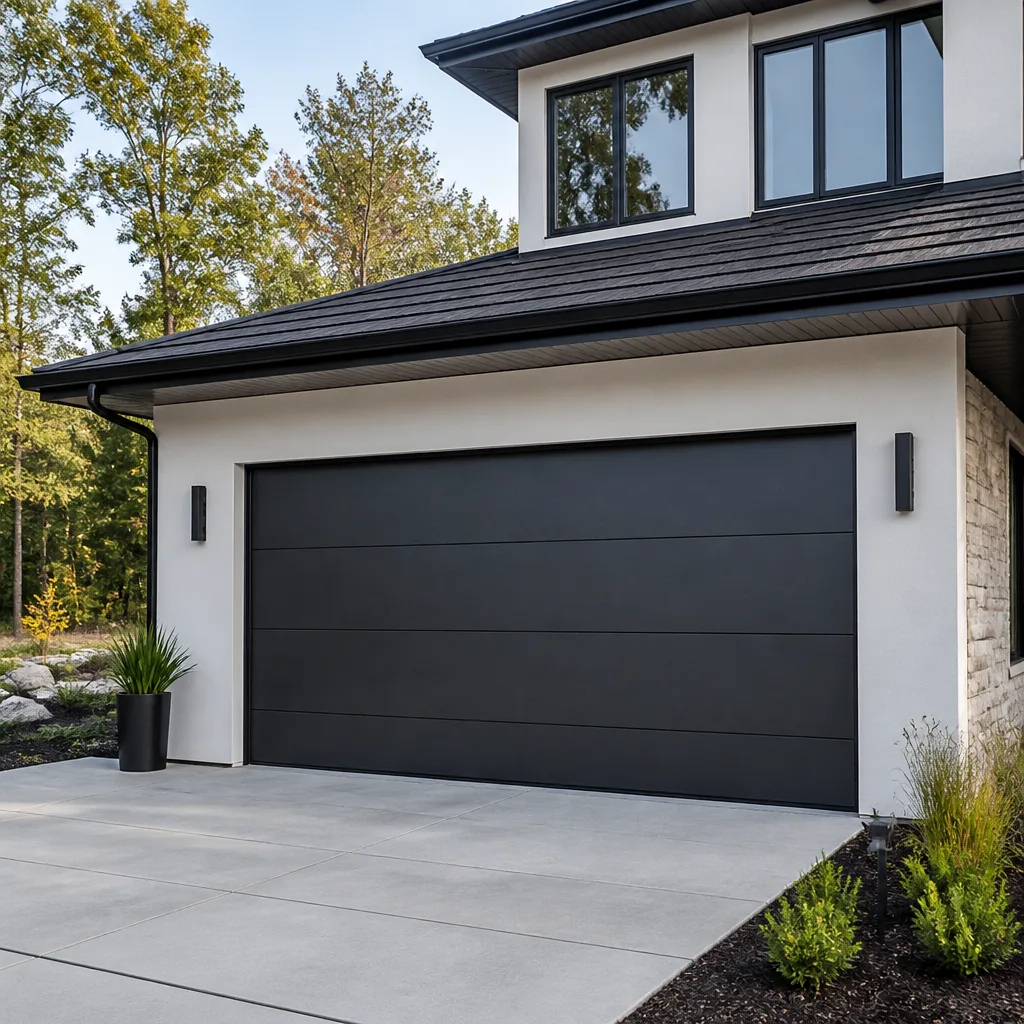 Modern flush
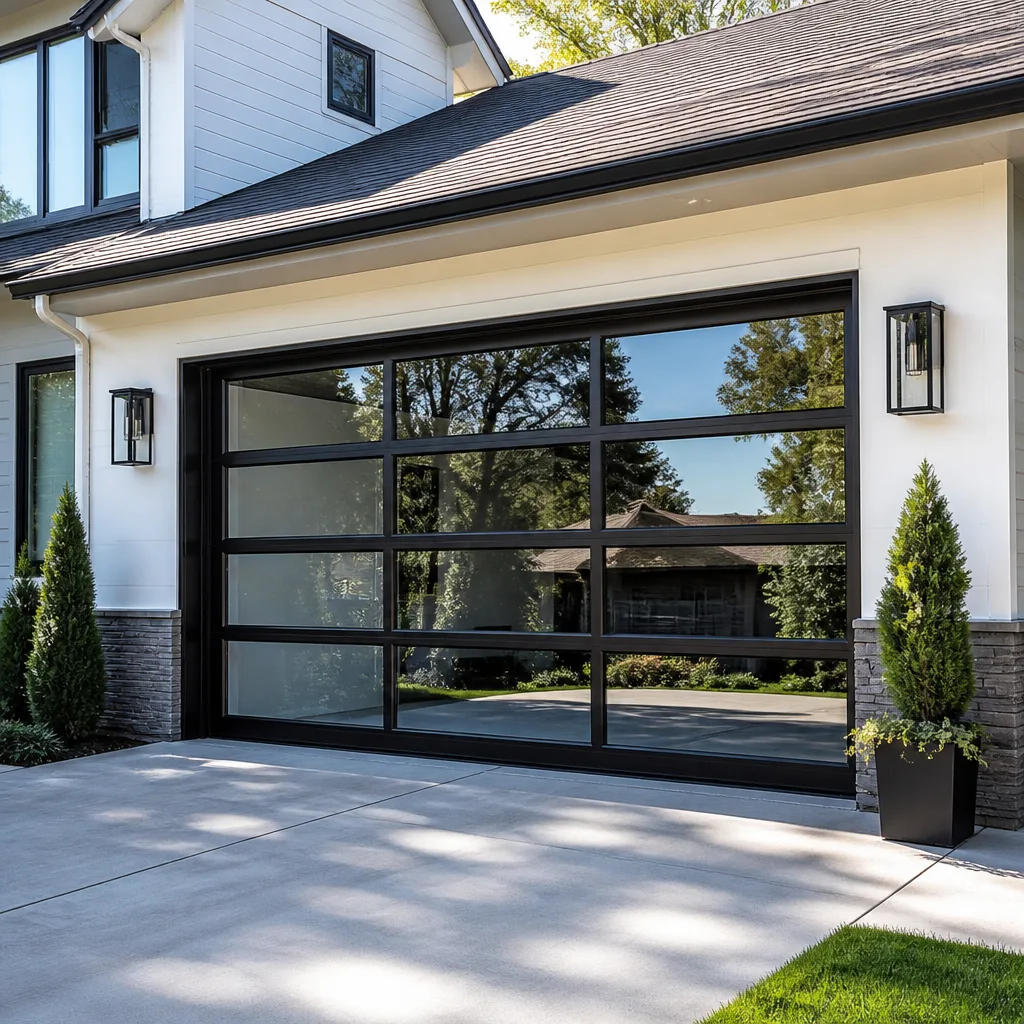 Full-view glass
 LiftMaster openers
 Chamberlain openers
Full 25-point door and opener safety check with every visit - springs, cables, rollers, tracks, and your LiftMaster or Chamberlain opener included
You get a price before we start. It does not change when the pro arrives.
Get your free estimateGarage Door Permits, Codes & Inspections in Washington Park, CO: What You Need to Know
Here’s the part that catches people off guard: in Washington Park, swapping a garage door isn’t always a straight swap. Replacing a door in kind often needs nothing more than a good installer. But the moment the work touches the rough opening, the header, or the number of doors, you’ve crossed into Denver permit territory, and that paperwork follows the house long after the truck leaves. This guide walks through when a permit is required, what a Denver inspector actually looks at, which renovations trigger a structural review, and why unpermitted garage work shows up at closing. You’ll also find the neighborhood HOA angles that matter before anyone pulls a permit.
Quick Answer
In Washington Park, a straight garage door replacement of the same size in the same opening typically does not require a Denver building permit, but any project that widens the opening, replaces or modifies a header, or converts a single door to a double (or vice versa) usually does, because it changes the structure of the garage. If your project crosses that line, pull the permit through Denver Community Planning and Development before work starts and expect an inspection. When in doubt about your specific door and opening, ask the city’s building department directly, since the final call on your property is theirs.
Styles & brands we work with
- Raised-panel steel
- Carriage house
- Modern flush
- Full-view glass
- LiftMaster openers
- Chamberlain openers
Table of Contents
- When does a garage door replacement need a permit in Washington Park?
- What triggers a structural review?
- What does a Denver garage door inspection actually cover?
- How unpermitted work shows up at closing
- HOA and design standards in Washington Park
- How Denver’s climate shapes the work
- A step-by-step permit process
- Common mistakes to avoid
When Does a Garage Door Replacement Need a Permit in Washington Park?
The short answer: a true like-for-like swap usually doesn’t, and a project that changes the opening usually does. The distinction comes down to whether you’re replacing a door or altering the building. Denver Community Planning and Development draws the line at structural change. If the rough opening stays the same width and height, the header stays put, and you’re installing a door of matching dimensions, that’s a replacement. If you’re cutting into the framing, adding a second door, or changing the load path above the opening, that’s construction, and it needs a permit and an inspection.
Washington Park has a lot of older garages, many of them detached and built decades ago. That matters because older framing doesn’t always match what’s on a modern plan, and a door that looks like a simple replacement can turn into an opening repair once the old door comes down. This is the scenario where homeowners most often get surprised. We’ve learned to look at the opening before quoting an installation, because the difference between a swap and a structural job is sometimes hidden behind the trim.
Here’s a rough way to think about where your project falls:
- Usually no permit: same-size door, same opening, same header, same number of doors, hardware and track replacement.
- Usually needs a permit: widening or heightening the opening, replacing a header, converting one door into two (or two into one), changing the wall structure around the opening.
- Ask the city: anything where you’re unsure whether the opening itself is being altered, or where an older garage’s framing doesn’t match the original drawings.
For straightforward door replacement where the structure isn’t touched, our garage door installation work covers the swap and the finish. For projects that cross into structural territory, get the permit sorted first, then schedule the install. This is the single most important decision in the whole process, and it’s worth a phone call to the building department to confirm before you buy a door.
What Triggers a Structural Review?
A structural review happens when your project changes how the garage carries load, not just what hangs in the opening. In Washington Park, three renovations come up again and again, and all three tend to trigger review. Widening an existing opening is the first. Replacing a header is the second. Converting a single door to a double, or a double to a single, is the third. Each of these changes the framing around the opening, and Denver wants a licensed professional’s drawings and an inspection to confirm the structure holds up.
Widening an opening sounds simple until you realize the wall above it is carrying the roof. A wider span needs a bigger header, and a bigger header needs to be sized and installed correctly. Replacing a header is the same story in reverse: the old header comes out, the new one goes in, and the inspector wants to see that the load path is intact. Converting single to double is often driven by homeowners who want to park two cars side by side, and it’s the most involved of the three because it usually means removing a section of wall between two existing openings and installing a new header across the combined span.
If your project involves any of these, plan for the following before anyone touches the door:
- Confirm with Denver Community Planning and Development what drawings and details they require for a garage opening alteration.
- Have the structural work designed and documented, typically by a licensed professional, so the permit application is complete.
- Pull the permit before demolition or framing starts, not after.
- Schedule the inspection so the framing and header can be seen before the door goes on.
- Finish with the door installation once the structure has passed.
This is where a garage door specialist and a general contractor part ways. A general contractor may handle the framing and hand off the door. A specialist knows the opening dimensions, the header clearance, and the track and spring geometry that a new door needs, which is why the two trades need to talk to each other on a structural job. Our technicians have up to 12 years of experience with openings and door systems, and we stay in our lane: the door and its hardware. The framing and structure belong to the licensed professional handling the alteration, and the inspection confirms it.
What Does a Denver Garage Door Inspection Actually Cover?
A Denver garage door inspection focuses on the structure and the safety of the installation, not on cosmetics. The inspector is checking that the opening was built the way the permit says it would be, that the header and framing are correct, and that the door operates safely once it’s installed. The exact checklist depends on the scope of your permit, but the categories are consistent across garage door projects. Knowing them in advance is how you avoid a failed inspection and a second visit.
What the inspection typically looks at:
- Opening dimensions: the width and height match the approved plan, and the door fits as specified.
- Header and framing: the header is the correct size and is properly supported at both ends, and the framing around the opening is intact.
- Attachment and anchoring: the track and hardware are secured to sound framing, not to drywall or thin material.
- Balance and operation: the door opens and closes smoothly, stays where it’s put, and doesn’t bind.
- Safety features: the auto-reverse and photo-eye safety systems work as intended, which is a code requirement on any powered door.
- Clearances: the door has the headroom, side room, and backroom it needs, and nothing obstructs the travel.
Washington Park garages are often tight on space, and older properties sometimes have low headroom or a shallow ceiling that limits which doors and openers will fit. That’s a design constraint the inspector will notice if the installed system doesn’t have proper clearance. Brands matter here too. A LiftMaster or Craftsman opener has specific clearance and mounting requirements, and a Raynor or Wayne Dalton door has its own track and spring geometry. When we install, we check those clearances against the actual garage before the door goes up, so the inspection is a confirmation rather than a surprise. If the opener is also being replaced, our garage door opener repair and installation work covers the safety systems the inspector will test.
How Unpermitted Work Shows Up at Closing
Unpermitted garage work has a way of waiting until the worst possible moment to surface: the title search and the buyer’s inspection during a sale. Denver building records can flag a garage door replacement or opening alteration that was done without a permit, and once it’s flagged, the seller is the one who has to resolve it, often under time pressure and sometimes at their own cost. This is the compliance gap that catches Washington Park sellers off guard, because the work may have been done years earlier and looked fine the whole time.
Here’s how the problem tends to unfold. A buyer’s inspector notes that the garage opening looks wider than the original structure, or that the header appears newer than the rest of the framing. The title company pulls the permit history and finds nothing on record for that alteration. The lender wants it resolved before closing. Now the seller is looking at a retroactive permit process, which may require opening up the work so an inspector can see the structure, and possibly correcting anything that wasn’t done to code. The cost and the delay both land on the seller, and the buyer has leverage to renegotiate.
The way to avoid this entirely is to keep your paperwork. If you pull a permit, keep the approved plans and the inspection sign-off with your home records. If your project didn’t need a permit because it was a true same-size swap, keep the invoice and the door specifications showing the dimensions matched. When you sell, that paper trail answers the question before it becomes a problem. This is a small habit that saves a large headache, and it’s especially worth doing in Washington Park, where older homes and older garages make buyers and their inspectors more careful than usual.
HOA and Design Standards in Washington Park
Washington Park has blocks with HOA design standards that affect the door itself, not just the permit. Some of these standards cover door style, panel configuration, and color, and they usually need to be satisfied before you order a door or pull a permit, because a permit for a door the HOA won’t approve is wasted effort. This is the step homeowners most often skip, and it’s the one that causes the most rework when it’s missed.
What to check before you buy anything:
- Confirm whether your block has an HOA and get the current design standards in writing.
- Check the rules for door style, panel layout, window placement, and color.
- Submit any required architectural review request and get approval before ordering.
- Keep the approval with your project records alongside the permit.
The neighborhood’s character matters here. Washington Park is known for its older homes and consistent streetscapes, and some blocks treat the garage door as part of that look. A door that’s perfectly code-compliant can still fail an HOA review if the panel style or color is off. We work with the brand you already have and the style your block allows, and we’re glad to talk through which of the common brands fits your opening and your standards before you commit. If your door is failing and you just need it working again, our garage door repair service handles the fix while you sort out the paperwork on a future replacement.
How Denver’s Climate Shapes the Work in Washington Park
Denver’s climate puts real stress on garage doors, and it affects both the inspection and the choice of door. The freeze-thaw cycle is the big one. Water gets into small gaps around the opening, freezes, expands, and works at the framing and the seals over time. A door that fit perfectly in summer can bind in winter as the opening shifts slightly. That’s why the inspection cares about balance and clearances: a door installed too tight will fail to operate smoothly once the seasons change.
The dry air and intense sun matter too. UV exposure breaks down the finish on steel and wood doors, and the low humidity can cause wood components to shrink and warp. Springs and hardware are also affected by temperature swings, which is why a door that worked fine in fall can suddenly feel heavy in a cold snap. When we size and install a door in Washington Park, we account for the local swing in temperature, not just the dimensions on the plan.
For inspections, the practical takeaway is to leave the manufacturer’s specified clearances intact. Don’t pack insulation into the gap around the door to fight a draft, don’t add weatherstripping that binds the door, and don’t adjust the track to compensate for a seasonal issue without checking whether the opening itself has moved. Small climate-driven adjustments are normal; structural ones belong to a professional. If your door has started catching or dragging as the weather changes, that’s a repair question, and a door that’s binding is also a safety question, since a door that doesn’t travel smoothly can fail its balance test.
A Step-by-Step Permit Process for Washington Park Homeowners
If your project needs a permit, the process follows a fairly predictable path. Here’s the sequence we recommend, from first call to final inspection, so nothing gets out of order.
- Determine whether a permit is required. Call Denver Community Planning and Development with your project details: door size, opening size, whether the header or number of doors changes. Get the answer for your specific property.
- Check your HOA standards. If your block has design rules, confirm the door style and color and submit any architectural review before ordering.
- Have structural work designed if needed. Widening, header replacement, and single-to-double conversions need documentation from a licensed professional.
- Apply for the permit. Submit the application with the required drawings and details through the city’s process.
- Schedule the framing inspection. The structure and header need to be seen before the door goes on.
- Install the door and safety systems. This is the garage door specialist’s part: door, track, springs, and opener, all installed to the approved opening.
- Pass the final inspection. Confirm operation, safety features, and clearances, then file the sign-off with your home records.
The order matters because the inspection needs to see the structure before it’s covered. If you install the door first and then try to pull a permit, you may be asked to remove the door so the framing can be inspected, which turns a simple job into a two-part one. Line up the steps, keep the paperwork, and the process stays boring, which is exactly what you want.
Key Takeaways
- A same-size garage door replacement in Washington Park usually doesn’t need a permit; altering the opening, header, or number of doors usually does.
- Widening an opening, replacing a header, and converting single to double are the three renovations that trigger a structural review.
- Denver inspections check opening dimensions, header and framing, anchoring, balance, safety features, and clearances.
- Unpermitted garage work can surface during a title search at closing, and the seller usually bears the cost and delay.
- Some Washington Park blocks have HOA design standards that need approval before you order a door or pull a permit.
- Denver’s freeze-thaw cycle and dry air affect door fit, so installation clearances need to account for the local climate.
- Keep every permit, inspection sign-off, and door specification with your home records.
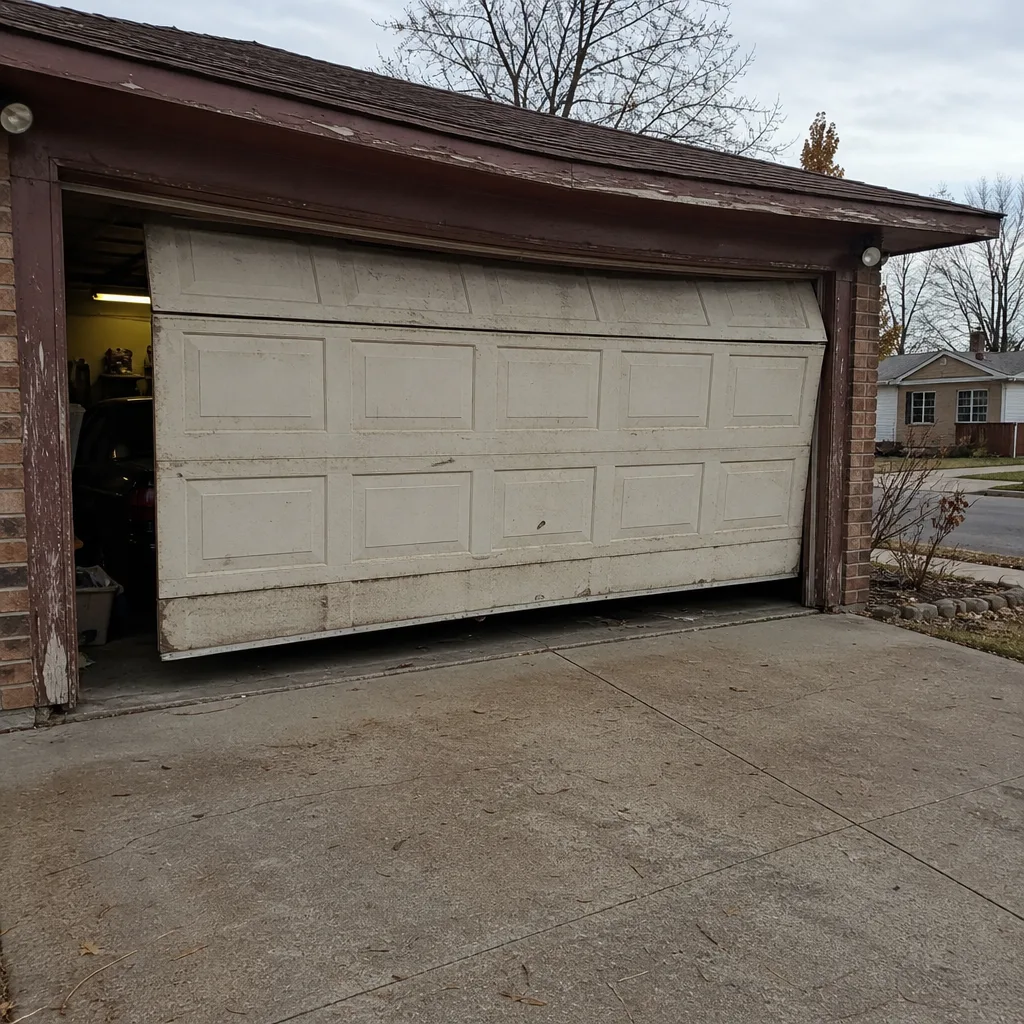
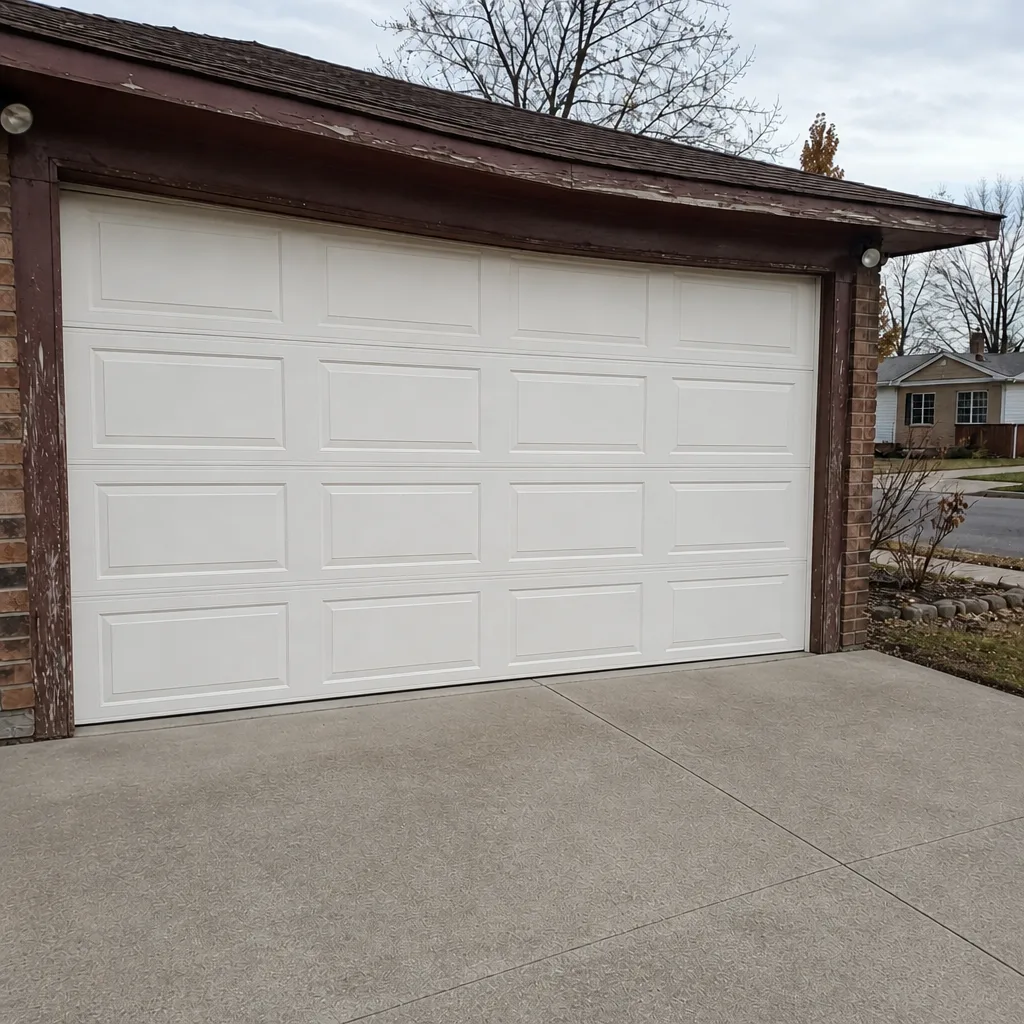
See the difference
 Before
 After
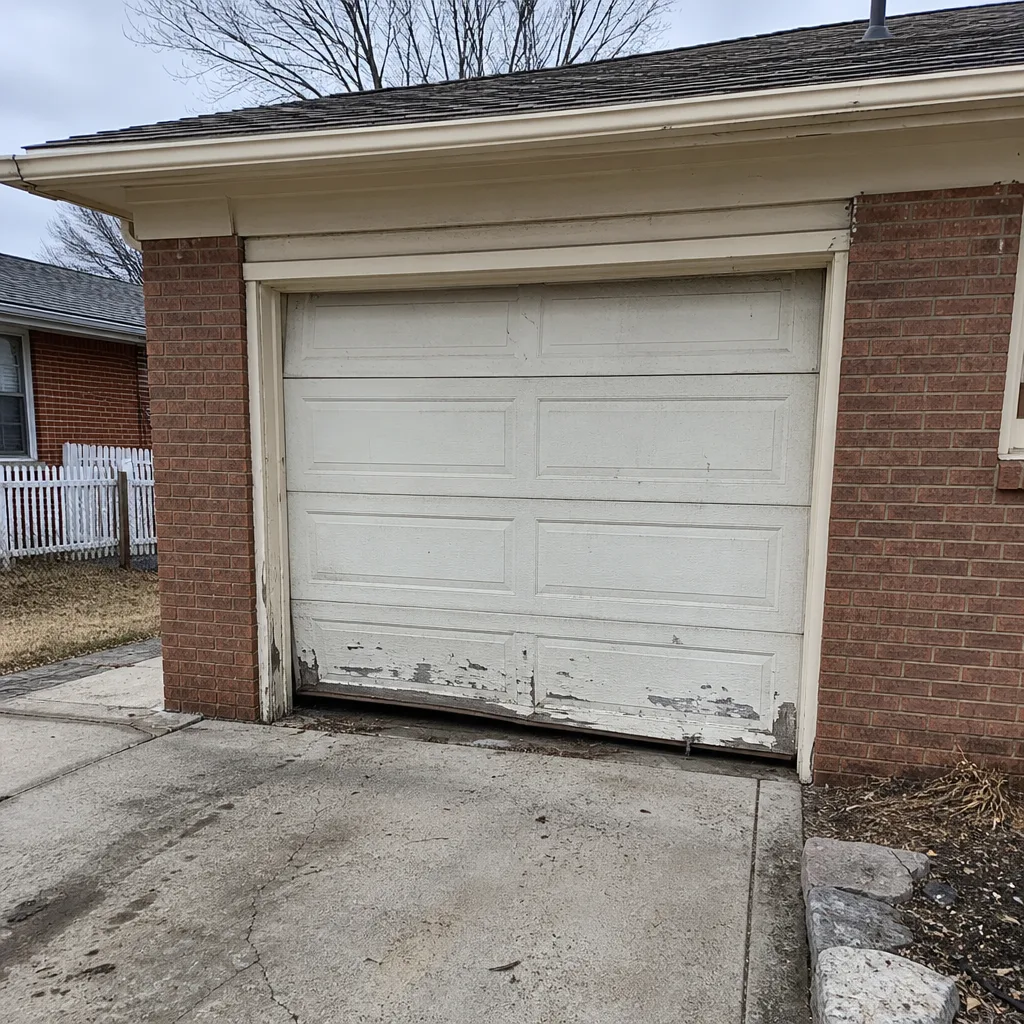 Before
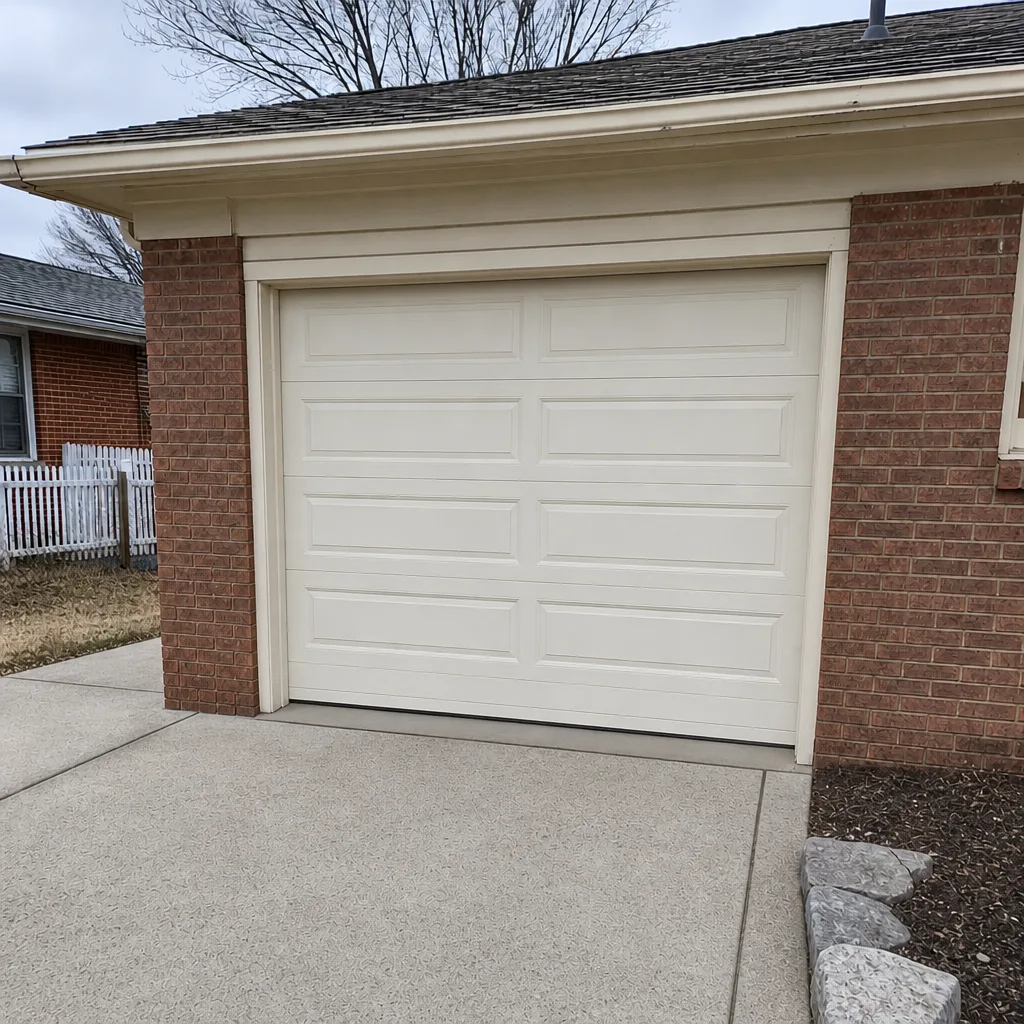 After
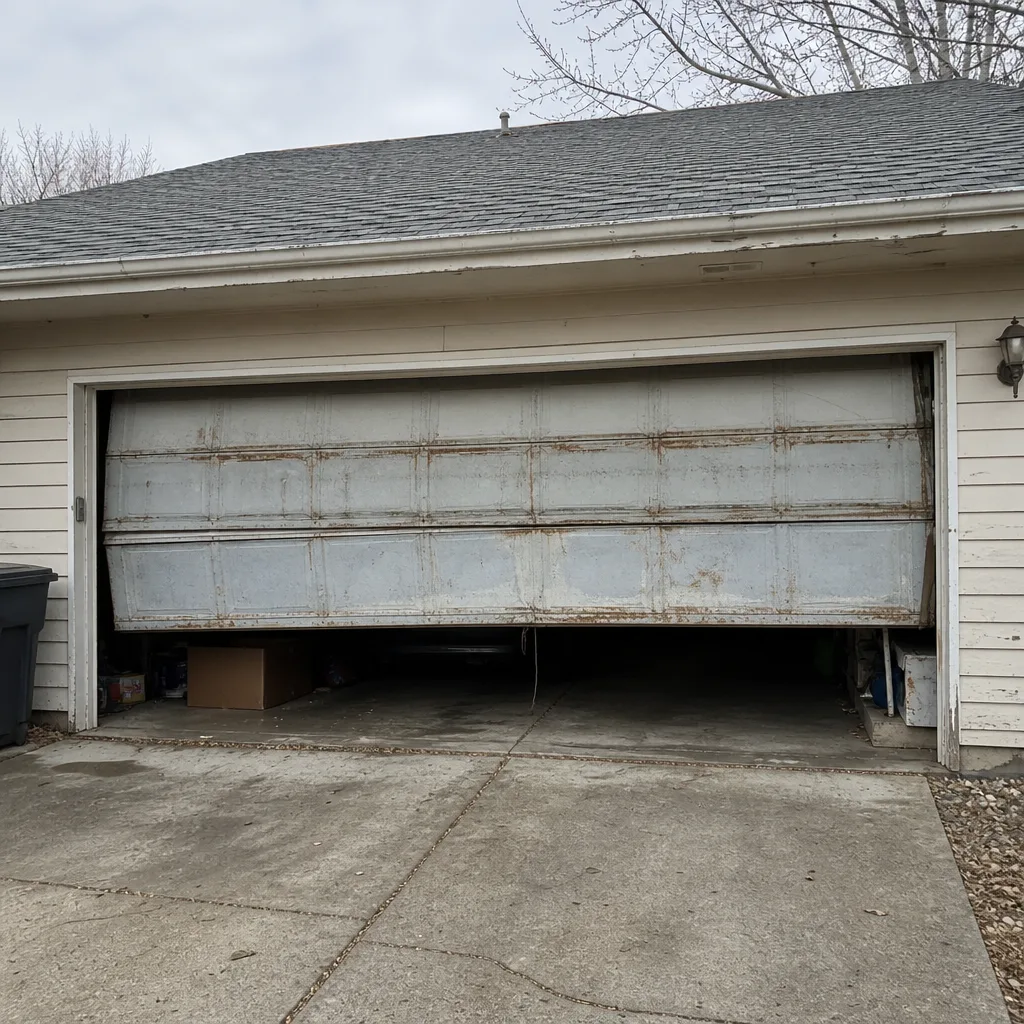 Before
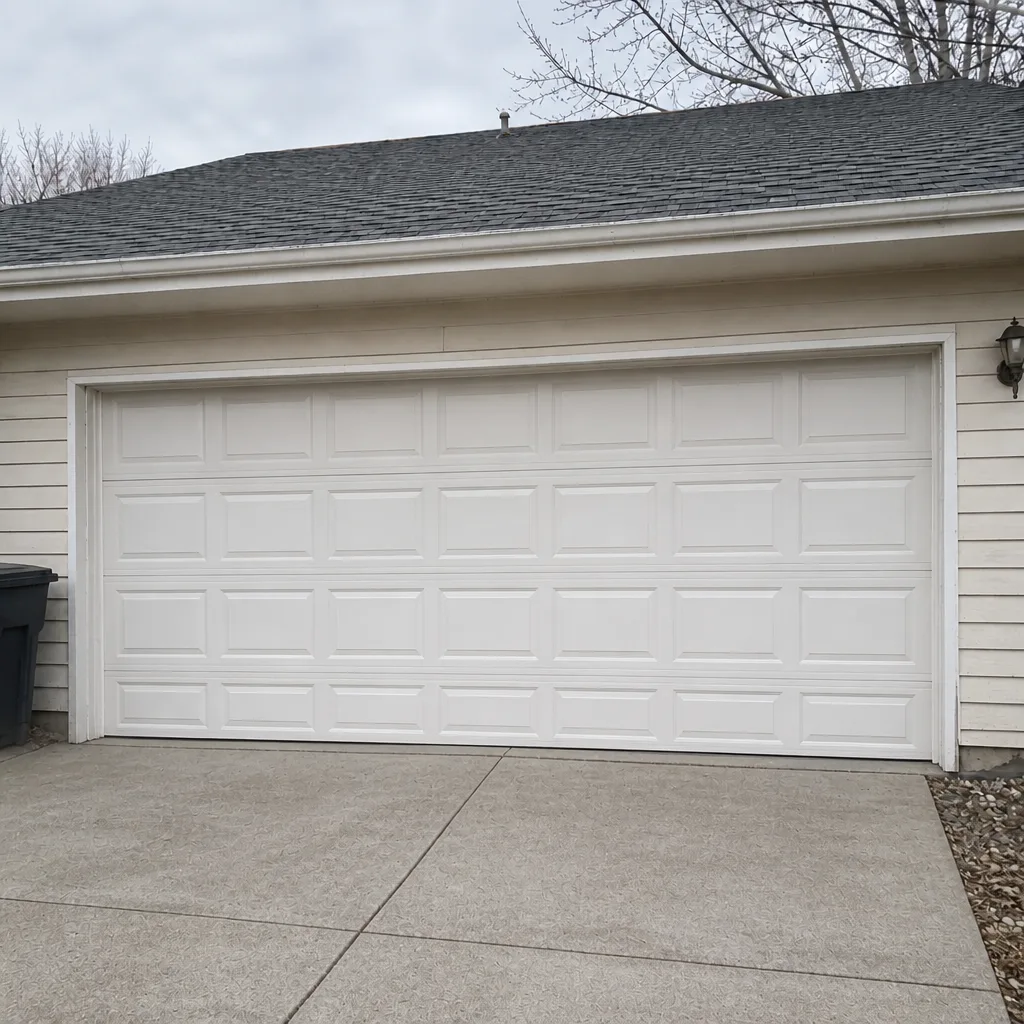 After
Common Mistakes to Avoid
- Assuming a replacement never needs a permit. A door that looks like a swap can turn out to involve the opening once the old door comes down, especially on older Washington Park garages. Confirm the scope before you buy.
- Installing first and asking about permits later. If the work needed a permit, the inspector may require the door to come off so the framing can be seen. Sort the permit before the install, not after.
- Skipping the HOA review. Ordering a door before checking your block’s design standards can mean buying a door the HOA won’t approve. Get the approval in writing first.
- Tossing the paperwork. Without the permit, the inspection sign-off, and the door specs, a future buyer’s inspector has no way to confirm the work was done right. Keep it with your home records.
- Fighting the climate with adjustments. Packing insulation into the door gap or bending track to fix a seasonal draft can bind the door and fail an inspection. Fix the cause, not the symptom.
- Ignoring balance and safety systems. An inspector will test the auto-reverse and photo-eye systems, and a door that doesn’t balance smoothly fails. If your door is dragging, that’s a repair, not a wait-and-see.
- Hiring across trades on a structural job. Framing and door installation are different skill sets. Let the licensed professional handle the structure and the specialist handle the door, and make sure they’ve talked.
When to Call a Professional
Some jobs are paperwork questions and some are safety questions, and the second kind belongs to a trained professional. Call us when a spring has snapped, when the door has come off its track, when the opener runs but the door doesn’t move, or when the door has started to bind or drop as the seasons change. Springs and cables are under high tension and can cause serious injury if handled wrong, so we don’t recommend working on them yourself. We work on the brand you already have, including LiftMaster, Chamberlain, Genie, Clopay, Amarr, Wayne Dalton, Craftsman, and Raynor, so we know the quirks before we arrive. Garage Door Repair Washington Park offers free estimates in Washington Park. Call (866) 369-6074. We answer 24/7. Fast dispatch from 7am to 7pm, Sunday through Friday.
Frequently Asked Questions
Usually not, if it’s a same-size replacement in the same opening with no structural changes. If your project widens the opening, replaces a header, or changes the number of doors, it typically does require a Denver permit. Call Denver Community Planning and Development to confirm your specific door and opening before you buy. Call (866) 369-6074 for a free estimate on the installation side.
A swap replaces the door in an unchanged opening. A structural alteration changes the opening, the header, or the wall around it. Widening, header replacement, and single-to-double conversions are the common triggers in Washington Park, and each one changes how the garage carries load, which is why Denver wants drawings and an inspection.
It checks that the opening matches the approved plan, that the header and framing are correct, that the track and hardware are anchored to sound framing, that the door balances and operates smoothly, and that the auto-reverse and photo-eye safety systems work. Clearances for headroom, side room, and backroom are also part of it. Call (866) 369-6074 if you want the door and safety systems checked before an inspection.
Yes. A title search or a buyer’s inspection can flag garage work that was done without a permit, and the seller is usually the one who has to resolve it before closing. That can mean a retroactive permit, opening up the work for inspection, and correcting anything that isn’t to code. Keeping your permit and inspection paperwork with your home records prevents the issue. Call (866) 369-6074 for help understanding what your door installation involves.
Some blocks have design standards covering door style, panel layout, and color, and those need to be approved before you order a door or pull a permit. Get the standards in writing and submit any architectural review request first. A code-compliant door can still fail an HOA review if it doesn’t match the block’s look. Call (866) 369-6074 to talk through which brands and styles fit your opening.
No. We quote the job and agree on the price before any work starts, and the written estimate sets the final price. If we find something during the install that changes the scope, like an opening that needs structural work, we tell you before doing anything and adjust the estimate with your approval. Our technicians have up to 12 years of experience, and free estimates mean you know the number up front. Call (866) 369-6074. We answer 24/7. Fast dispatch from 7am to 7pm, Sunday through Friday.
The Bottom Line
The permit question in Washington Park comes down to one distinction: are you replacing a door or altering the building? A same-size swap in an unchanged opening usually needs no permit. Widening, replacing a header, or converting the number of doors usually does, and those projects need drawings, a permit through Denver Community Planning and Development, and an inspection before the door goes on. Keep the paperwork, check your HOA standards before ordering, and account for Denver’s freeze-thaw cycle in how the door is installed. Handle it in that order and the project stays simple. For the door itself, our Garage Door Repair Washington Park team handles installation, repair, springs, openers, and parts, and we’re happy to give you a free estimate. Call (866) 369-6074. We answer 24/7. Fast dispatch from 7am to 7pm, Sunday through Friday.
Written by the team at Garage Door Repair Washington Park.