
Last updated November 22, 2026
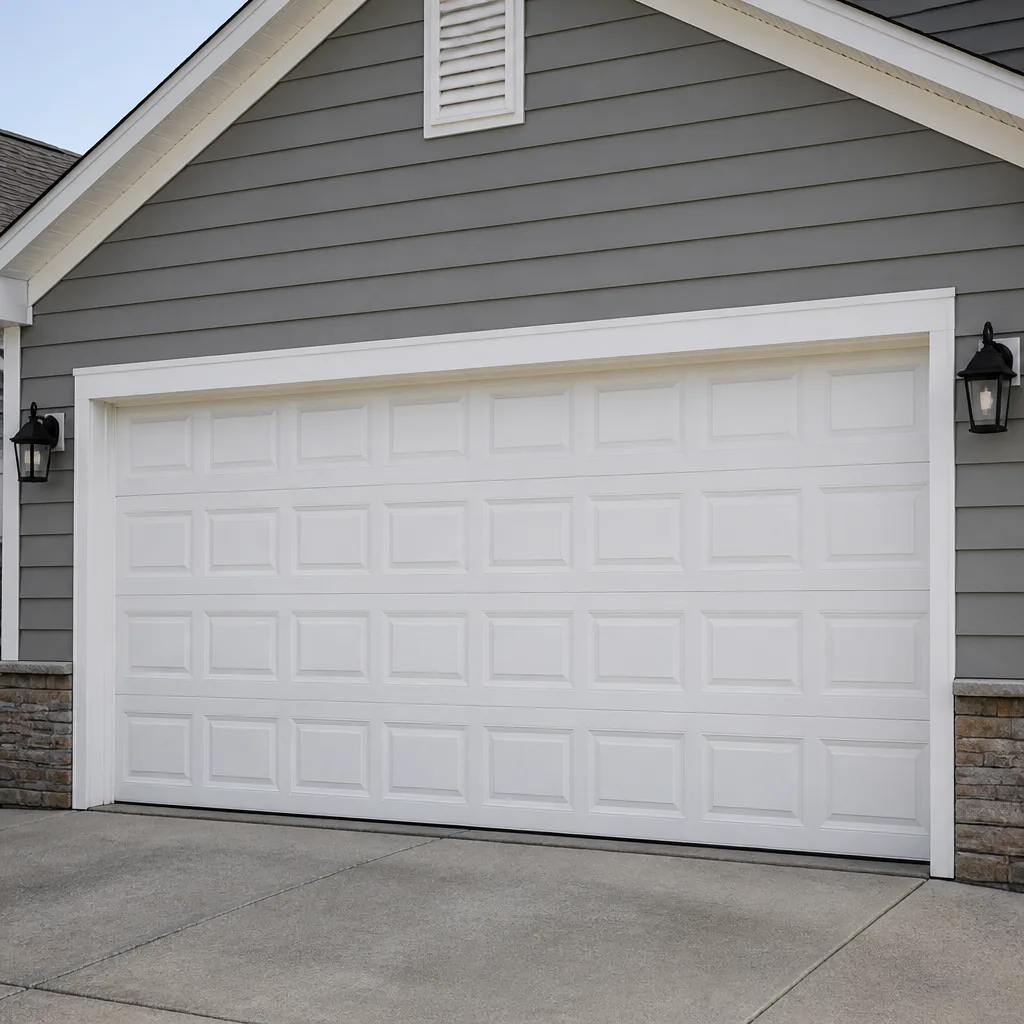 Raised-panel steel
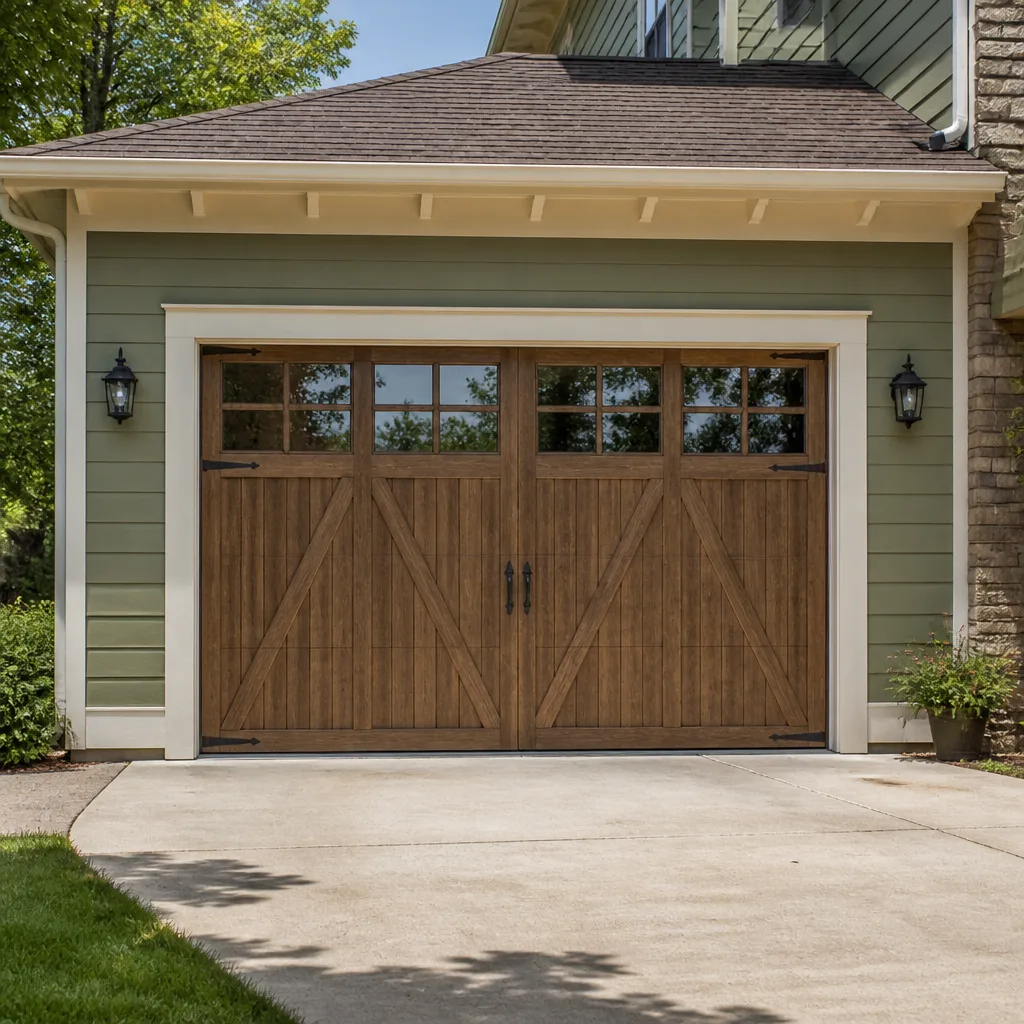 Carriage house
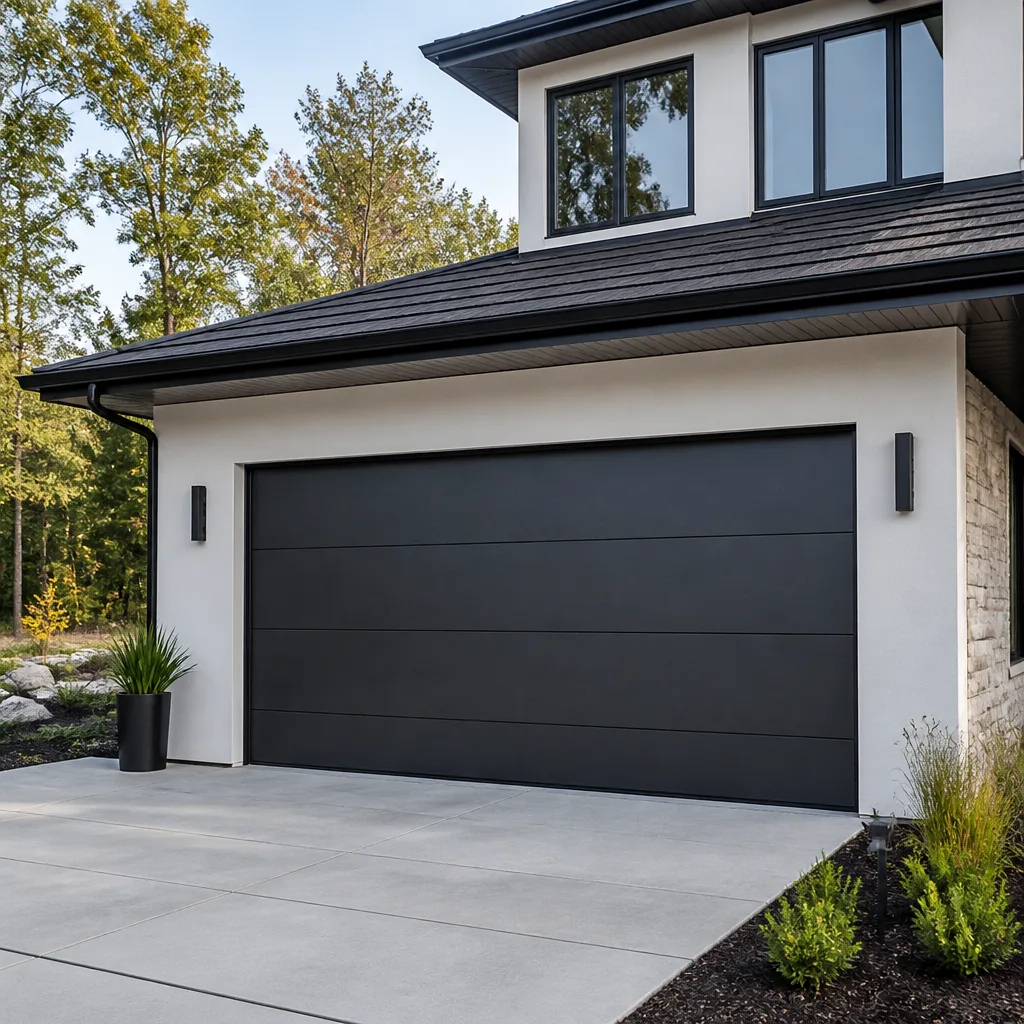 Modern flush
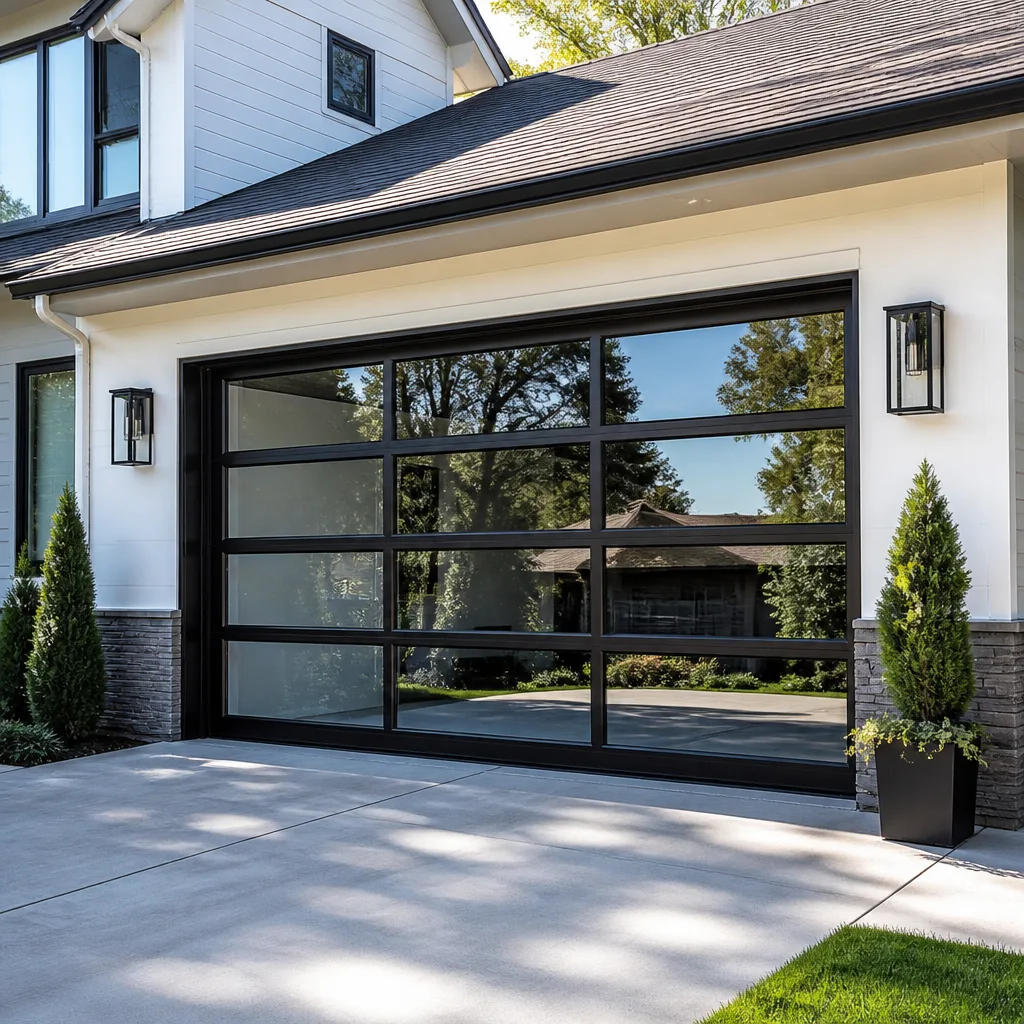 Full-view glass
 LiftMaster openers
 Chamberlain openers
Full 25-point door and opener safety check with every visit - springs, cables, rollers, tracks, and your LiftMaster or Chamberlain opener included
You get a price before we start. It does not change when the pro arrives.
Get your free estimateGarage Door Repair Maintenance Checklist for Washington Park Homeowners
The number-one cause of mid-winter garage door failure in Colorado isn’t a broken spring. It’s a lubricant that congealed back in October and was never replaced, turning ordinary friction into a component-killing load every time the door moved. Most homeowners in Washington Park follow a generic quarterly calendar they found online, and that calendar was written for a mild climate. Here, the door faces a freeze-thaw cycle that works on concrete, hinges and spring steel all winter, plus hail season that tests every panel and seal. This guide sequences maintenance by when failure is actually most likely in Washington Park, not by what’s easiest to remember.
Quick Answer
A garage door in Washington Park needs lubrication with a cold-rated product twice a year (late fall and early spring), a bearing and roller inspection before the first hard freeze, a spring tension check after every big temperature swing, a panel and seal inspection after hail season, and a sensor alignment test whenever the concrete shifts. Timing matters more than frequency. A door serviced on the Front Range schedule lasts longer than one serviced more often on a generic one.
Styles & brands we work with
- Raised-panel steel
- Carriage house
- Modern flush
- Full-view glass
- LiftMaster openers
- Chamberlain openers
Table of Contents
- Why Washington Park Doors Need Their Own Calendar
- Choosing a Lubricant That Survives a Colorado Winter
- The Month-by-Month Maintenance Sequence
- Reading Your Springs: Tension Checks and Cycle-Count Estimation
- Testing the Bottom Seal Against Heaved Concrete
- Fixing Sensor Drift Caused by Freeze-Thaw Ground Movement
- Brand-Specific Notes: LiftMaster, Chamberlain, Raynor and Genie
- Common Mistakes to Avoid
- When to Call a Professional
Why Washington Park Doors Need Their Own Calendar
Washington Park sits on the Front Range, and that means a door here can swing through a 50-degree temperature change in a single day and a 130-degree spread across the year. Metal expands and contracts. Grease thickens and thins. Concrete slabs heave upward in a wet freeze and settle back when it thaws. The garage door is the largest moving assembly on a house, and every one of those forces lands on it.
So a checklist built for a place with steady weather skips the very stresses that break doors in Washington Park. The failure pattern we see repeatedly is not random. Springs fatigued by thermal cycling snap in the first cold snap. Bottom seals tear after a hail event. Photo-eye sensors drift out of alignment when the apron slab moves a quarter inch under the door. Track brackets loosen as the framing moves with seasonal moisture.
Sequencing is the fix. Instead of “check everything four times a year,” the Washington Park schedule front-loads the checks that matter before winter and after storm season, and it treats the rest as a light walkaround. That’s the same logic our technicians follow on garage door repair calls across the neighborhood, and it’s why we ask what time of year a problem started.
- Fall: bearing, roller and hinge inspection before the first hard freeze.
- Winter: spring tension checks after major temperature swings, plus a listen for new noises.
- Spring: fresh lubrication, seal inspection, sensor alignment after thaw movement.
- Summer: post-hail panel and seal check, hardware tightening in dry heat.
Choosing a Lubricant That Survives a Colorado Winter
The most common mistake is buying the silicone spray sold on the hardware store shelf. That product is formulated for mild conditions and can turn gummy or fail to protect below freezing, which is exactly when your door needs help. You want a lubricant rated across a wide temperature range, roughly -20°F to 100°F, so it stays fluid in January and doesn’t run off in July.
Look for a garage-door-specific or lithium-soap-based grease, or a synthetic lubricant with a stated low-temperature rating on the label. The key number is the pour point or minimum operating temperature. If the can doesn’t state one, it probably wasn’t built for a Front Range winter. A product that says “rated to -20°F” tells you it was designed for places where winters actually bite.
Where you put it matters as much as what you use. Apply lubricant to the hinge pivots, the roller stems and bearings, and the torsion spring coils. Never grease the tracks themselves, because lubricant there collects grit and causes rollers to slide instead of roll. Also skip the photo-eye lenses and the opener’s belt or chain, both of which have their own maintenance needs.
- Do lubricate: hinge pivots, roller stems, roller bearings, torsion spring coils, bearing plates.
- Don’t lubricate: tracks, photo-eye lenses, belt or chain drive, the bottom weather seal itself.
- Frequency in Washington Park: twice a year, once as cold sets in and once after the last freeze.
- Skip it altogether? Friction climbs, and the opener motor and hinges wear faster.
This one step prevents more mid-winter breakdowns in Washington Park than any other item on the checklist. It’s cheap, it takes fifteen minutes, and it’s the cheapest insurance a door has.
The Month-by-Month Maintenance Sequence
Here’s how we’d time the work across a Colorado year. The dates are a guide, not gospel; a Washington Park door facing a panel of north-facing shade will lag a sun-baked one by a few weeks. The order matters more than the exact date.
- October: Full hardware inspection. Check every hinge, roller, bracket and bearing for play or wear. Lubricate with the cold-rated product. This is the pre-winter tune-up that sets up the whole season.
- November: Test the balance by hand (door disconnected from the opener at the release). Confirm the auto-reverse safety feature trips with a light obstruction. Tighten any loose track brackets.
- December through February: After each big temperature swing, listen. A door that suddenly creaks, squeals or moves unevenly is telling you tension shifted. Do a visual spring check but do not adjust springs yourself.
- March: Post-thaw inspection. Re-lubricate, check the bottom seal for separation, and re-align the safety sensors (freeze-thaw movement is the usual culprit here).
- April and May: Hail season opens. After any significant storm, inspect panels and the bottom seal, and check that the door still opens and closes smoothly. A dented panel can jam a track.
- June through August: Dry heat loosens hardware. Re-tighten brackets, check the opener’s chain or belt tension, and clear the tracks of grit and pollen.
- September: Last warm-weather check before the cycle repeats. Clean the tracks, test safety systems, and note anything that needs a pro before winter.
If you only do three of those seven, pick October, March and the after-storm inspections. Those are the moments when a Washington Park door is most likely to fail.
Reading Your Springs: Tension Checks and Cycle-Count Estimation
Springs are the part homeowners most want to “check themselves” and the part we most caution against touching. A torsion spring or extension spring is under enormous stored tension. The safety caveat here is real: never adjust, remove or release a spring. Trained technicians use winding bars and specific procedures because a loaded spring can cause serious injury in an instant. What you can safely do is read the door’s behavior and estimate how much life the springs have left.
First, the balance test. Disconnect the opener at the release (pull the emergency handle), lift the door to about waist height, and let go. A healthy, well-balanced door holds in place. A door that sinks or drops means the springs are losing tension, and that calls for a professional.
Next, estimate cycle life. Springs are rated in cycles, and one cycle is one open-and-close. A typical residential torsion spring is rated for a set number of cycles (often quoted around 10,000, though the figure varies by spring size), and a door used ten times a day burns through about 3,650 cycles a year. So a spring rated at 10,000 cycles has roughly two-and-a-half to three years of typical daily use. If your door is older and opened heavily, expect springs to be near or past their cycle rating and to fail soon. You can’t see the cycle count, but you can watch for the telltale signs: a gap in a torsion spring, a stretched-out extension spring, or a door that closes hard and fast.
Spring work is where we see the most DIY mishaps, and it’s why we treat spring repair as a dedicated service rather than an afterthought. When a spring goes, call (866) 369-6074. We answer 24/7, with fast dispatch from 7am to 7pm.
Testing the Bottom Seal Against Heaved Concrete
Denver’s clay-heavy soil is the enemy of a flat garage apron. It swells when wet, pushes slabs up, then drops them when it dries. That movement is why so many Washington Park doors develop a bottom seal that no longer makes contact, letting in water, snow, leaves and cold air. A torn or unseated seal also lets water reach the door’s bottom edge, which speeds up steel rust and wood rot.
Testing is easy and needs no tools. Close the door and stand inside the garage in daylight. Run a flashlight along the bottom edge and look for light coming under the door. Then from outside, slide a piece of paper under the seal at several points. If the paper slides out freely, the seal isn’t compressing against the concrete. A properly adjusted seal grips the paper slightly along its whole length.
If the concrete is humped or dropped, the seal can only do so much, and chasing the floor contour may mean replacing the seal with a thicker profile or adjusting the door’s travel. That’s the kind of judgment call a specialist makes quickly. A quick inspection is often all it takes, and we can price the fix in one visit since seal stock is something we carry. New seals and bottom brackets are also available through our garage door parts service for homeowners who prefer to handle the install themselves.
- Sunlight test: look for visible light under a closed door from inside.
- Paper test: a sheet should meet resistance along the whole bottom edge.
- Look for tears: cracks, splits or hardened rubber mean it’s time to replace.
- Check the floor: a heave or dip explains why a good seal still leaks, and it may need a different profile.
Fixing Sensor Drift Caused by Freeze-Thaw Ground Movement
Those two little photo-eyes near the floor exist for a single critical job: detecting anything in the door’s path and reversing it. When they drift out of alignment, the door either refuses to close or, worse, closes on something. In Washington Park, sensor drift is more often caused by ground movement than by anything touching the sensors. The freeze-thaw cycle nudges the mounting brackets a fraction, and the beam that was aimed perfectly in October is off in March.
You can realign the sensors without recalibrating the whole opener, and it’s a safe job for a homeowner. Here’s how, in order:
- Look at both sensors. Each has a small indicator light; a steady glow usually means it’s working and seeing its partner. A flickering or dark light points to the problem side.
- Clean the lenses first. A muddy splash or cobweb is often mistaken for misalignment.
- Loosen the mounting bracket by hand (most are thumb-screw or single bolt). Aim the sensor so the beam runs parallel to the door’s path, about six inches off the floor.
- Watch the indicator light as you aim. It should go steady when the beam locks on.
- Tighten the bracket, then wave a broom handle through the beam to confirm the door reverses.
- If the light still won’t hold steady after you re-aim, the sensor or its wiring may be failing, which is a repair rather than an adjustment.
If alignment keeps drifting a few weeks later, the bracket may be loose at the frame, and that’s a quick fix worth having a pro look at. If the opener itself seems to misread the sensors, that’s usually an opener issue, and our garage door opener repair page covers the troubleshooting that comes next.
Brand-Specific Notes: LiftMaster, Chamberlain, Raynor and Genie
Maintenance is maintenance, but brand habits differ, and knowing yours saves you time. We work on the brand you already have, and here’s what a few of the common ones tend to need in Washington Park conditions.
LiftMaster and Chamberlain openers share the same lineage (Chamberlain builds LiftMaster), so their maintenance is nearly identical. The common winter issue is the travel-limit settings drifting when cold thickens the grease on the rail. If your door starts reversing before it reaches the floor, check for an obstruction, then consider a limit reset. Their safety sensors are also sensitive to the frost-heave drift described above, so March and November are the months to test them.
Genie openers tend to use a different drive train and have their own quirks with belt tension. In our experience, a Genie that starts making a rhythmic clicking after a cold snap is usually one belt-tension adjustment away from quiet. Check the manual’s specs before touching the tension, or have us look.
Raynor is a door brand as much as an opener name, and their heavier commercial-grade panels often show up on residential installations. The panels themselves are durable, but the hinges and rollers on a heavier door wear faster under thermal cycling. We check them at every service appointment.
If your door is a Clopay, Amarr or Wayne Dalton, the same principles apply. Call us and tell us the brand before we arrive, and we’ll already know the model family and its quirks. Need a full replacement instead of tune-ups? Our garage door parts and garage door installation services cover that, from a broken opener to a whole new door.
Common Mistakes to Avoid
- Using silicone spray sold at the hardware store. It’s usually not rated for Colorado’s cold, so it stops protecting right when you need it. Look for a product with an actual low-temperature rating on the label.
- Greasing the tracks. Lubricant in the tracks traps grit and makes rollers slide instead of roll. Keep tracks clean and dry.
- Ignoring the lubricant until winter. The grease that congeals in October is the cause of the friction that fails a door in January. Lubricate before it gets cold, not after.
- Trying to adjust springs yourself. A loaded torsion or extension spring can injure you in a moment. Read the door’s behavior, then call a trained technician.
- Skipping the post-hail panel check. A dented panel can jam a track or buckle the door’s balance. Walk the door after any storm.
- Assuming the seal is the problem when the floor moved. In Denver’s clay soil, a humped apron is common, and a new seal alone won’t fix it. Check the concrete as well as the rubber.
- Putting off the balance test. A door that no longer holds itself halfway open is telling you the springs are failing. Catch it before it snaps.
See the difference
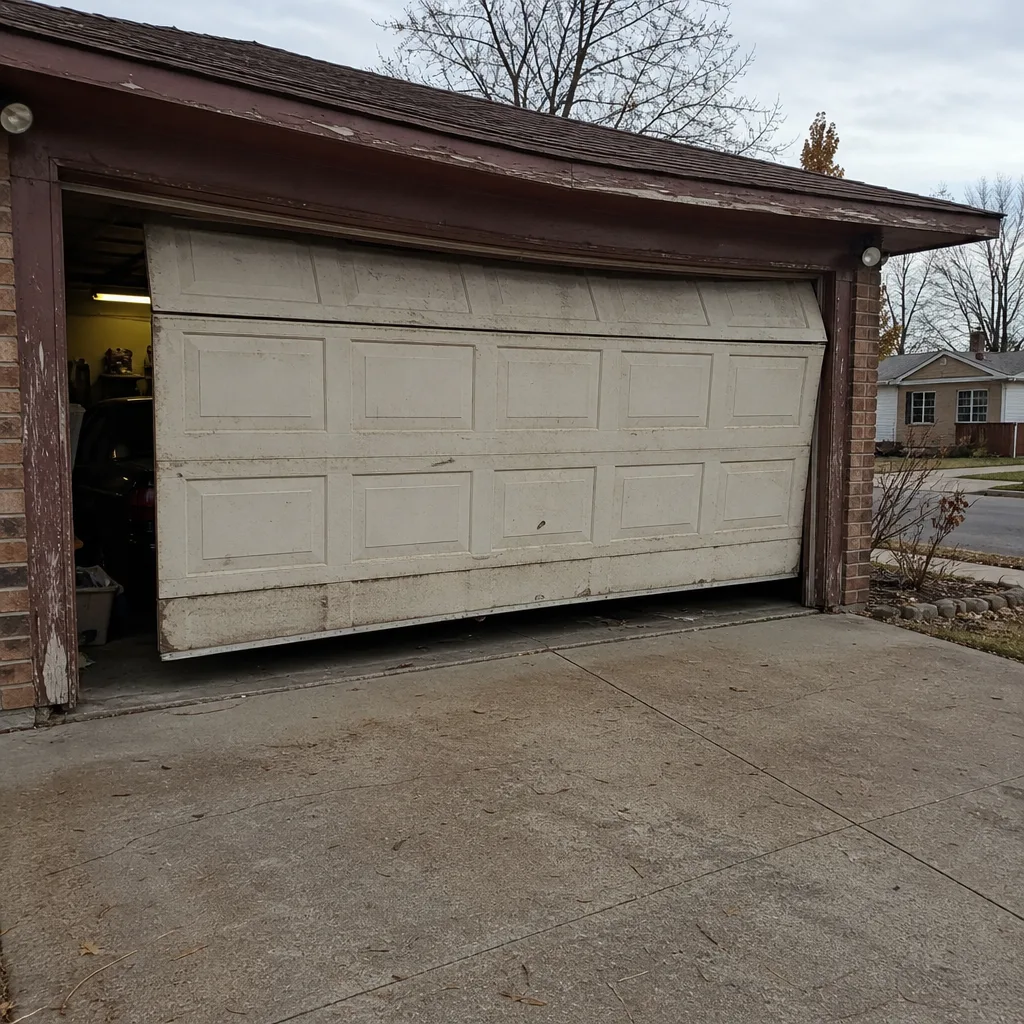 Before
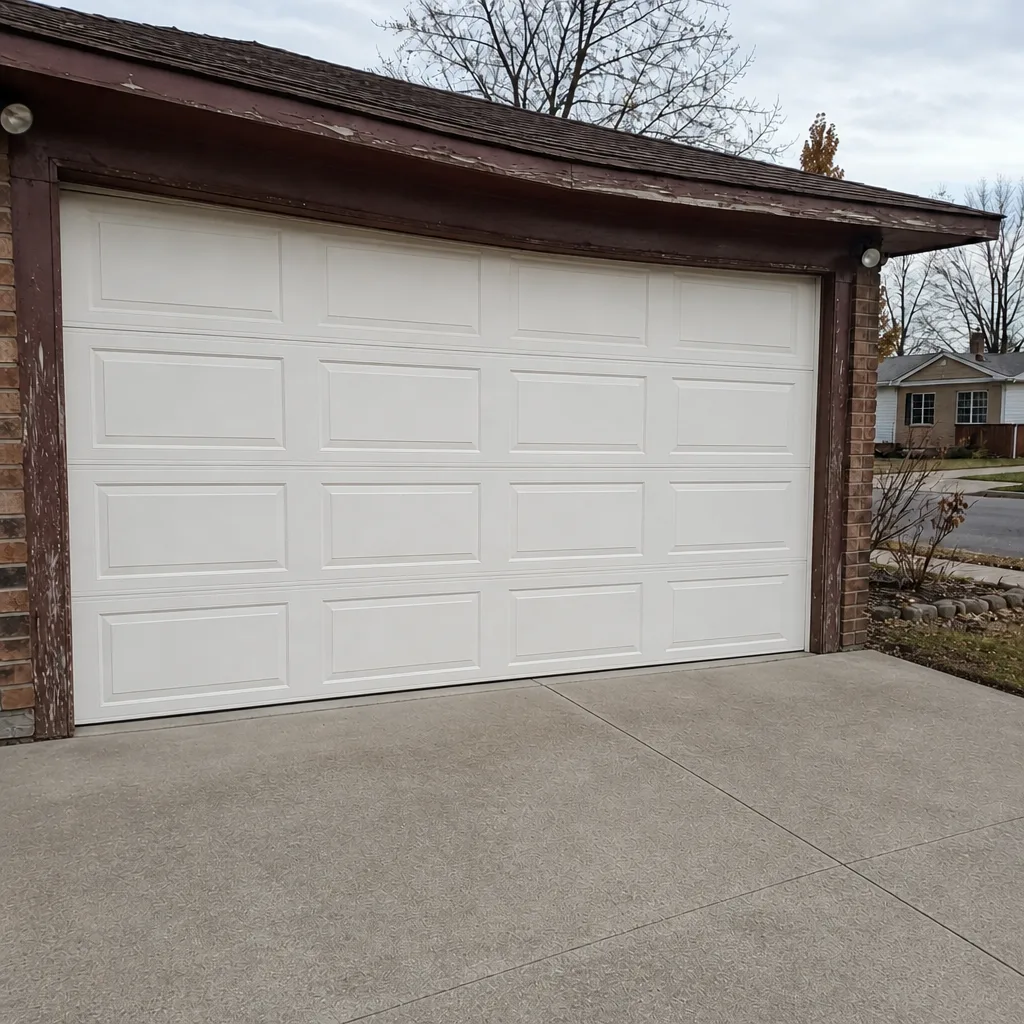 After
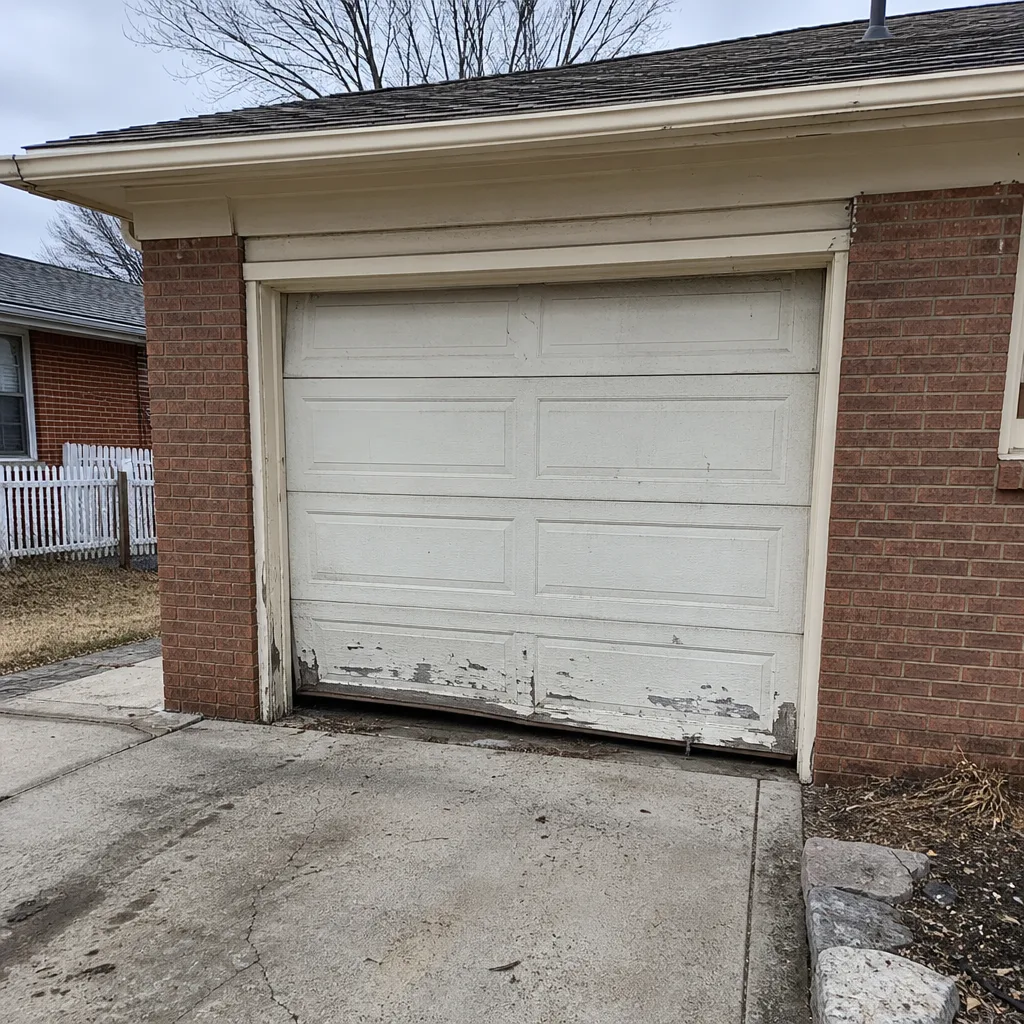 Before
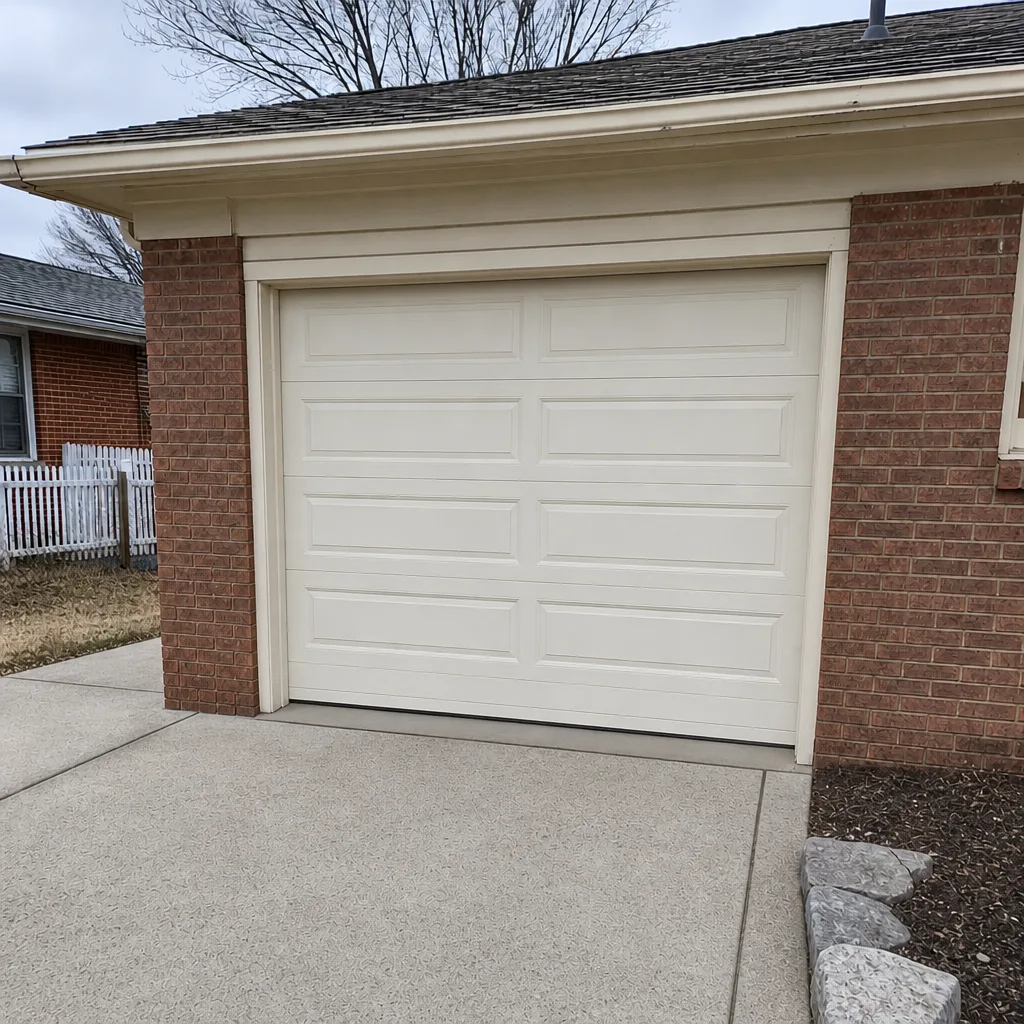 After
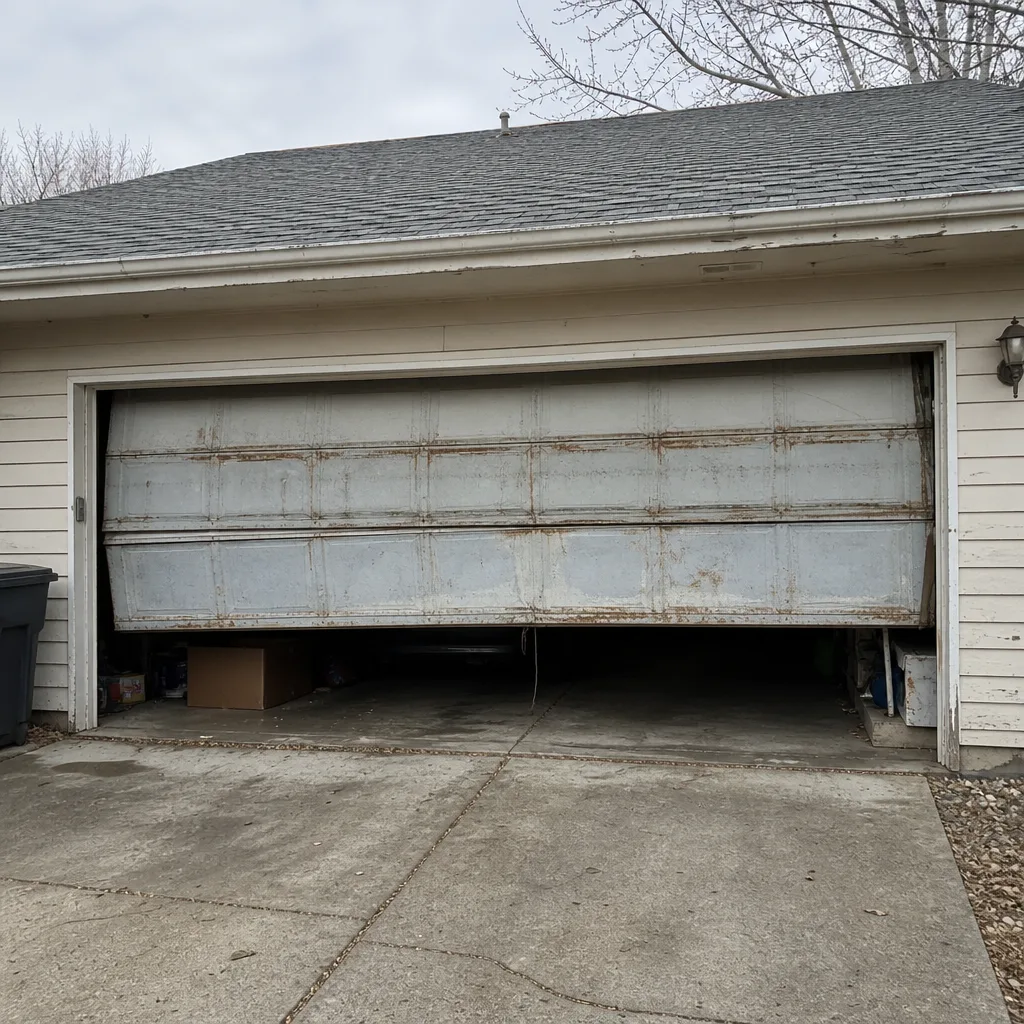 Before
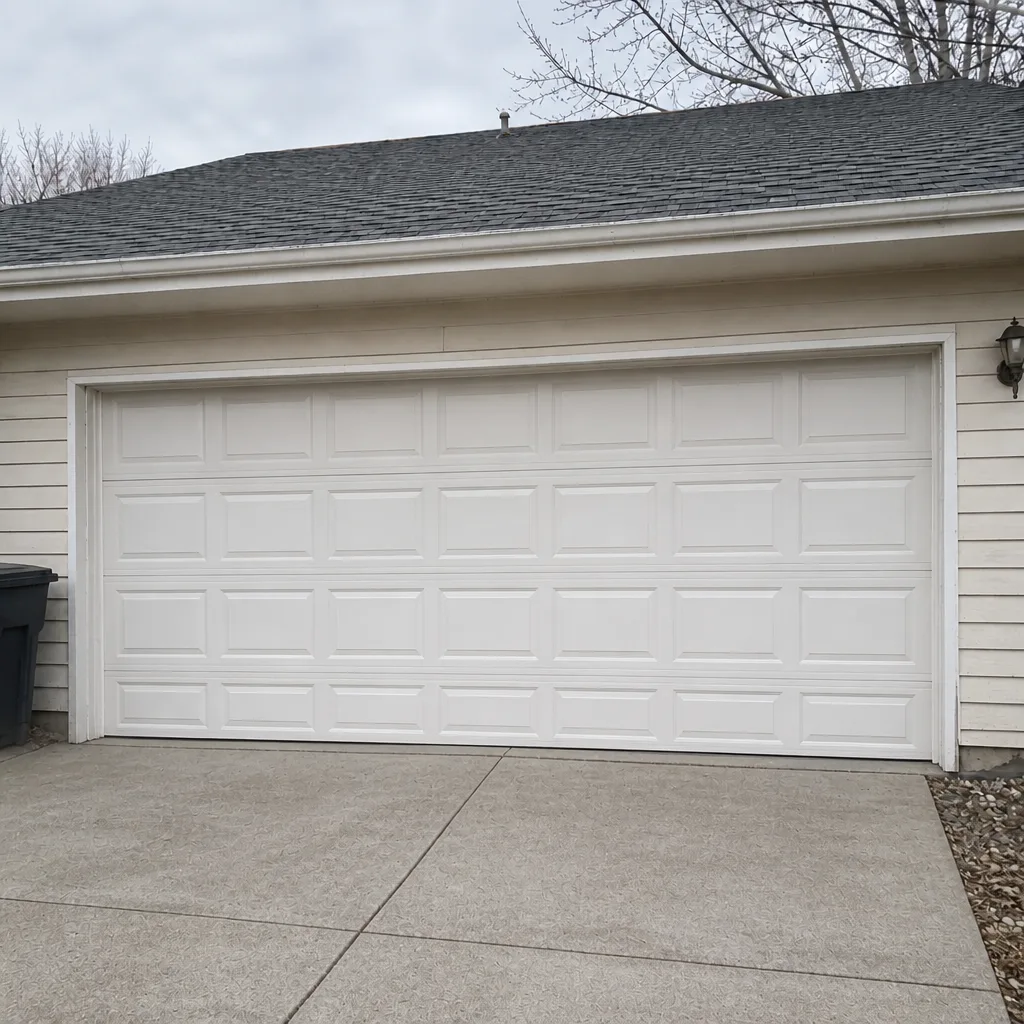 After
When to Call a Professional
Some maintenance is yours to do; some belongs with a technician. Call us when a spring has snapped or lost tension, when the door won’t balance or reverses before closing, when a panel is bent or a track is bent out of shape, or when the opener runs but the door doesn’t move. Call when you hear grinding, popping or a metal-on-metal sound that wasn’t there last week, or when a sensor light won’t hold steady after you’ve cleaned and re-aimed it. Garage Door Repair Washington Park offers free estimates in Washington Park – call (866) 369-6074. The estimate is free, the price is agreed in writing before any work starts, and our technicians have up to 12 years of experience. We answer 24/7. Fast dispatch from 7am to 7pm, Sunday through Friday.
Frequently Asked Questions
Twice a year is typical, once in late fall before the freeze and once in early spring. Because the Washington Park area swings through wide temperature changes, you’ll get more from timing those two applications to the seasons than from lubricating more often with an unrated product.
Standard WD-40 is a water displacer, not a long-term door lubricant, and many silicone sprays aren’t rated for below-freezing temperatures. For a Colorado winter, use a garage-door-specific or lithium-soap grease with a stated low-temperature rating, applied to hinges, rollers and spring coils – not the tracks.
A gap in a torsion spring, a stretched extension spring or a door that won’t hold itself halfway open all point to tired springs. You can estimate remaining life by comparing the spring’s rated cycle count to how often the door is used. Never adjust or remove a spring yourself; call a professional for that.
In Washington Park, freeze-thaw movement in the concrete and framing is usually the cause. The mounting bracket shifts a fraction, and the beam drifts off. Clean the lenses, loosen the bracket, re-aim so the indicator light goes steady, and confirm the door reverses when you wave a broom through the beam.
Late fall and early spring, timed to the two hard transitions. Washington Park doors most often fail in the first cold snap or after the thaw, so a pre-winter tune-up and a post-thaw inspection catch most problems before they strand you.
Repeated spring failures, panels that constantly bend, and an opener that’s at the end of its life are signs it’s cheaper to replace than to keep repairing. For a full assessment, call (866) 369-6074. Our garage door installation service will measure, price and schedule the new door around your door. Estimates are free.
The Bottom Line
A Washington Park garage door survives the year best when its maintenance is timed to the actual stresses it faces: the freeze-thaw cycle, hail season and the thermal swings that work on spring steel. Lubricate with a cold-rated product twice a year, inspect hardware before the first freeze, check spring behavior after every big temperature change, test the bottom seal against your concrete, and keep the safety sensors aligned as the ground moves. Skip the generic quarterly calendar. The Washington Park schedule is the one built for this place. When a job is beyond a homeowner’s reach, call (866) 369-6074. We answer 24/7.
Written by the team at Garage Door Repair Washington Park.