
Last updated November 22, 2026
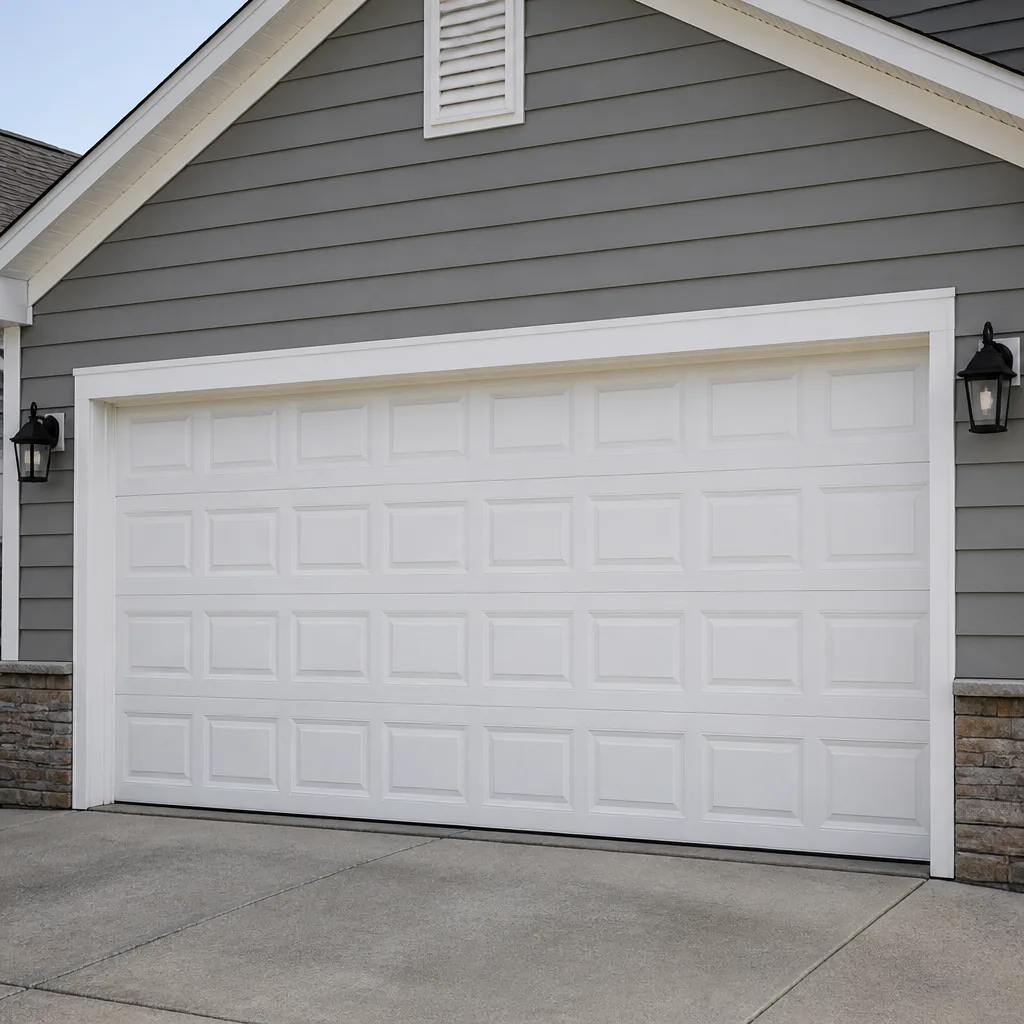 Raised-panel steel
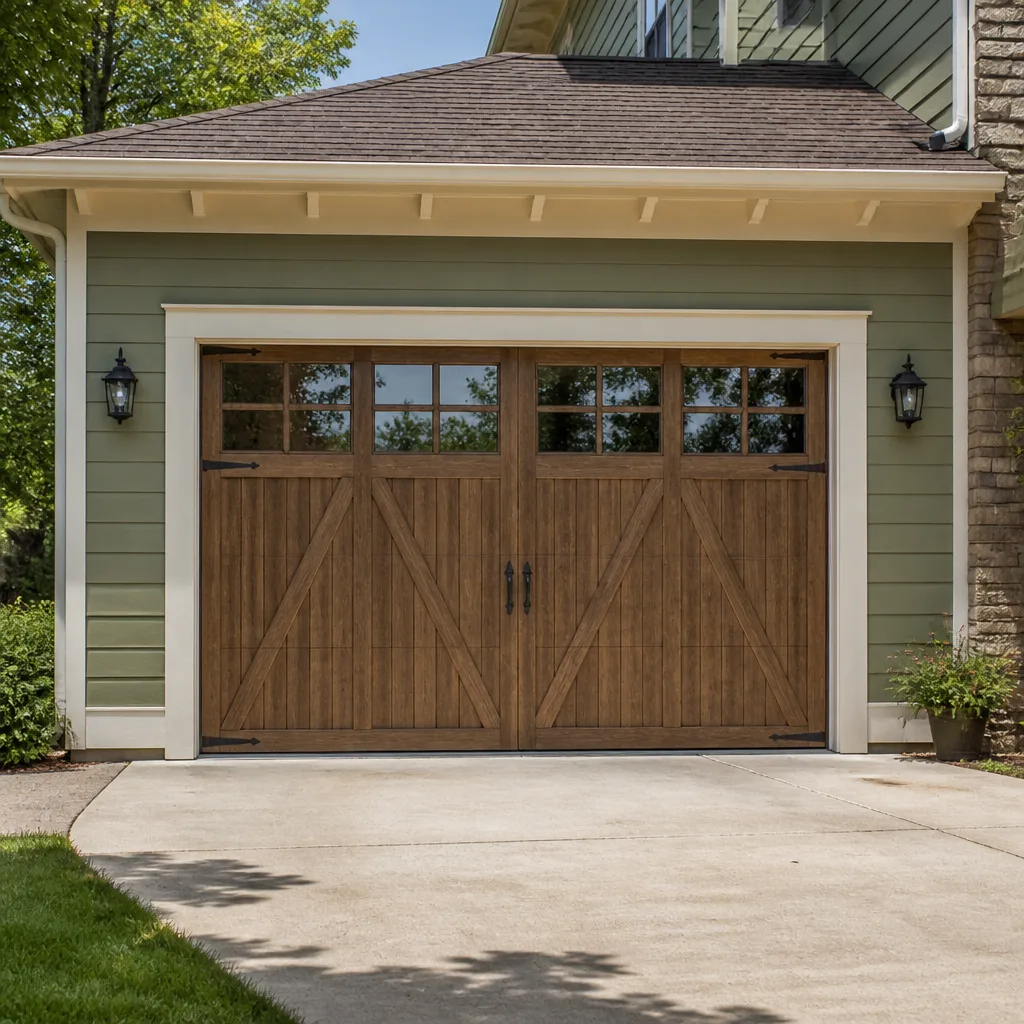 Carriage house
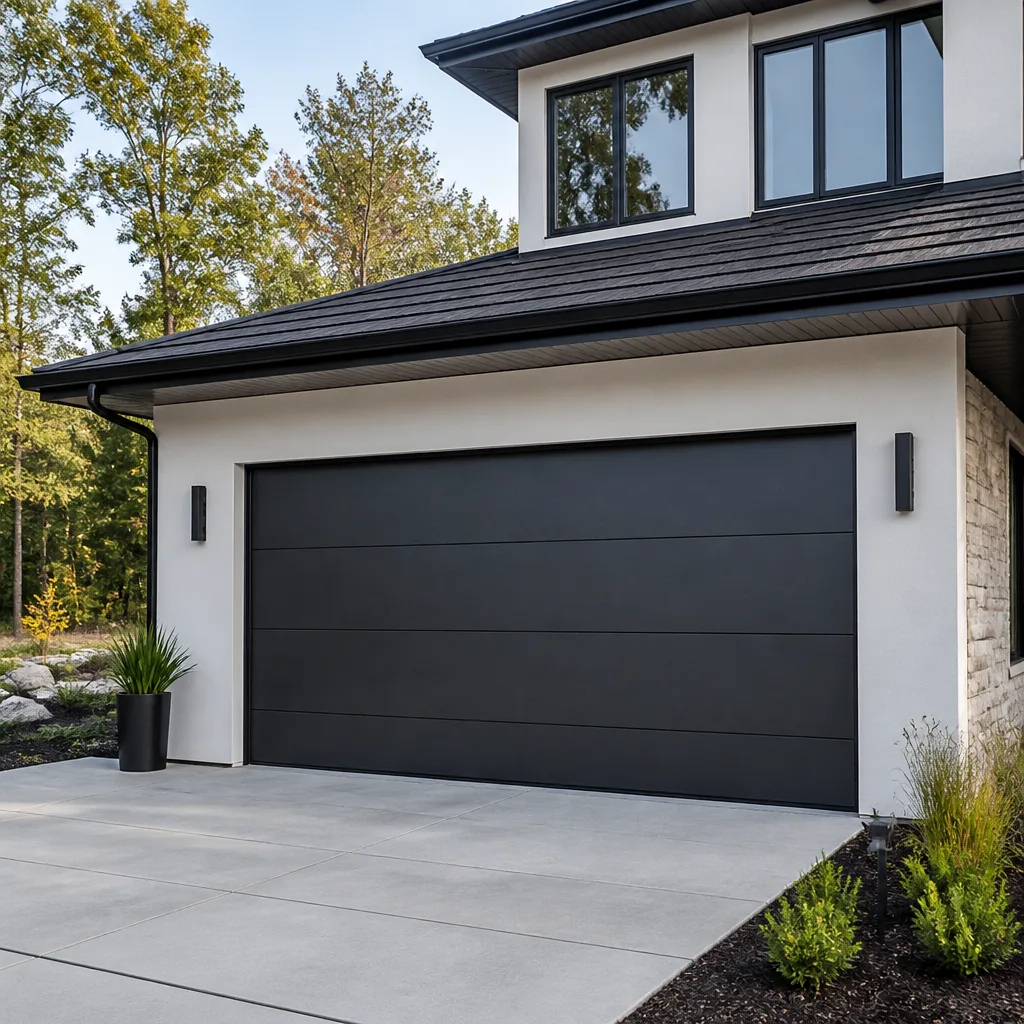 Modern flush
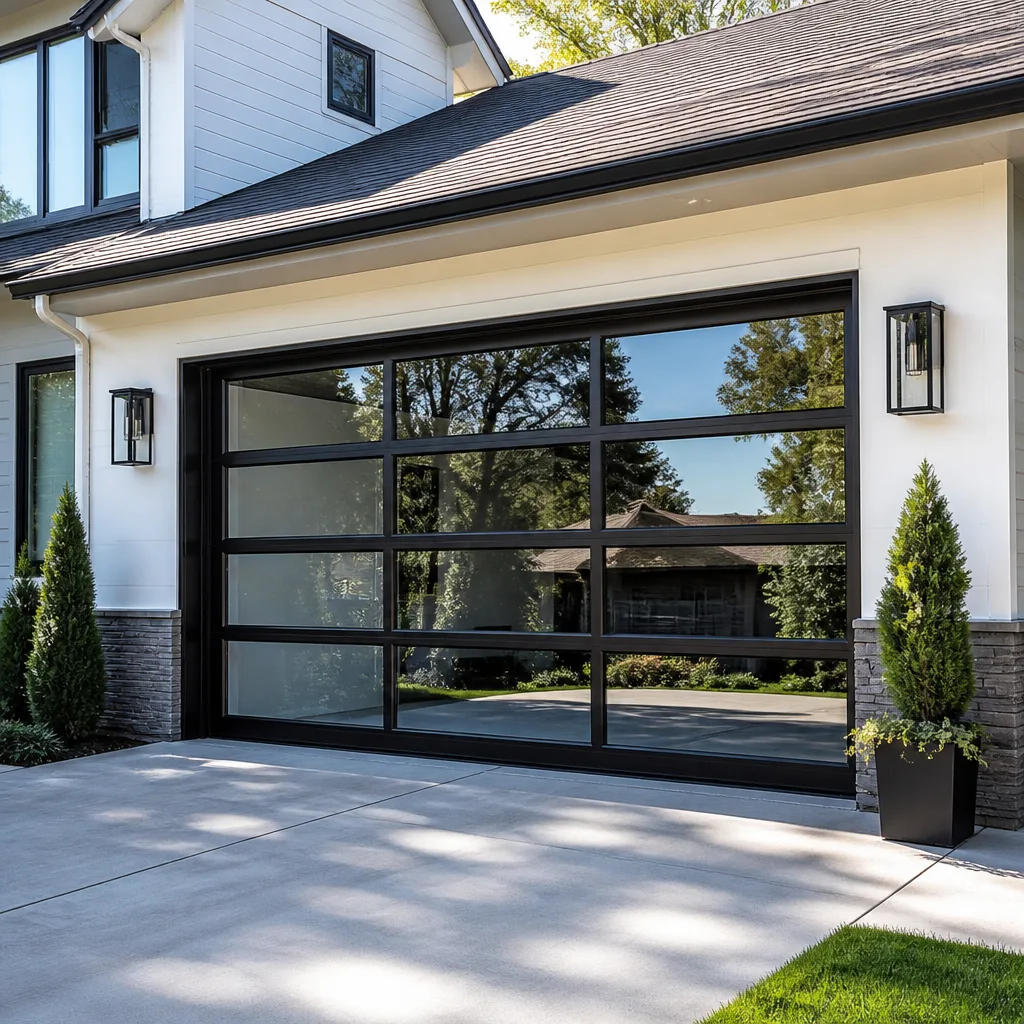 Full-view glass
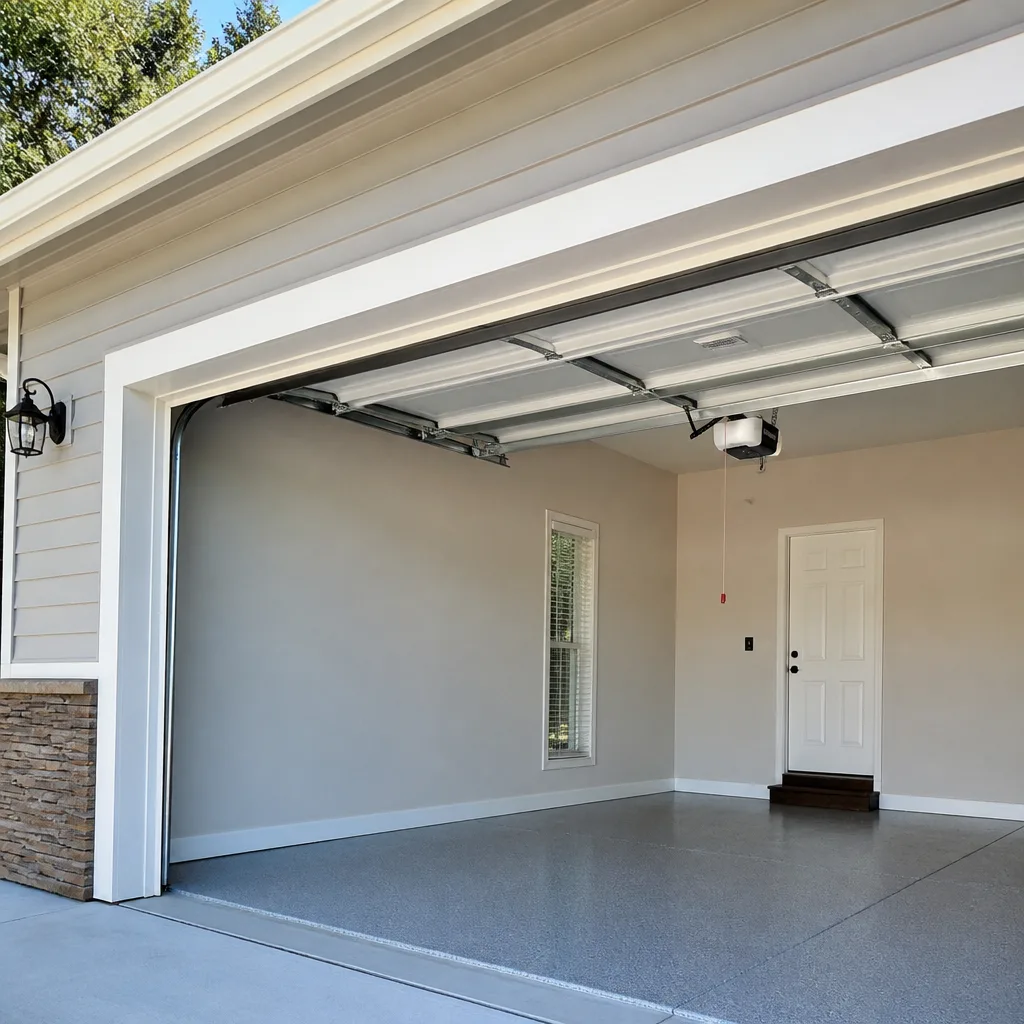 LiftMaster openers
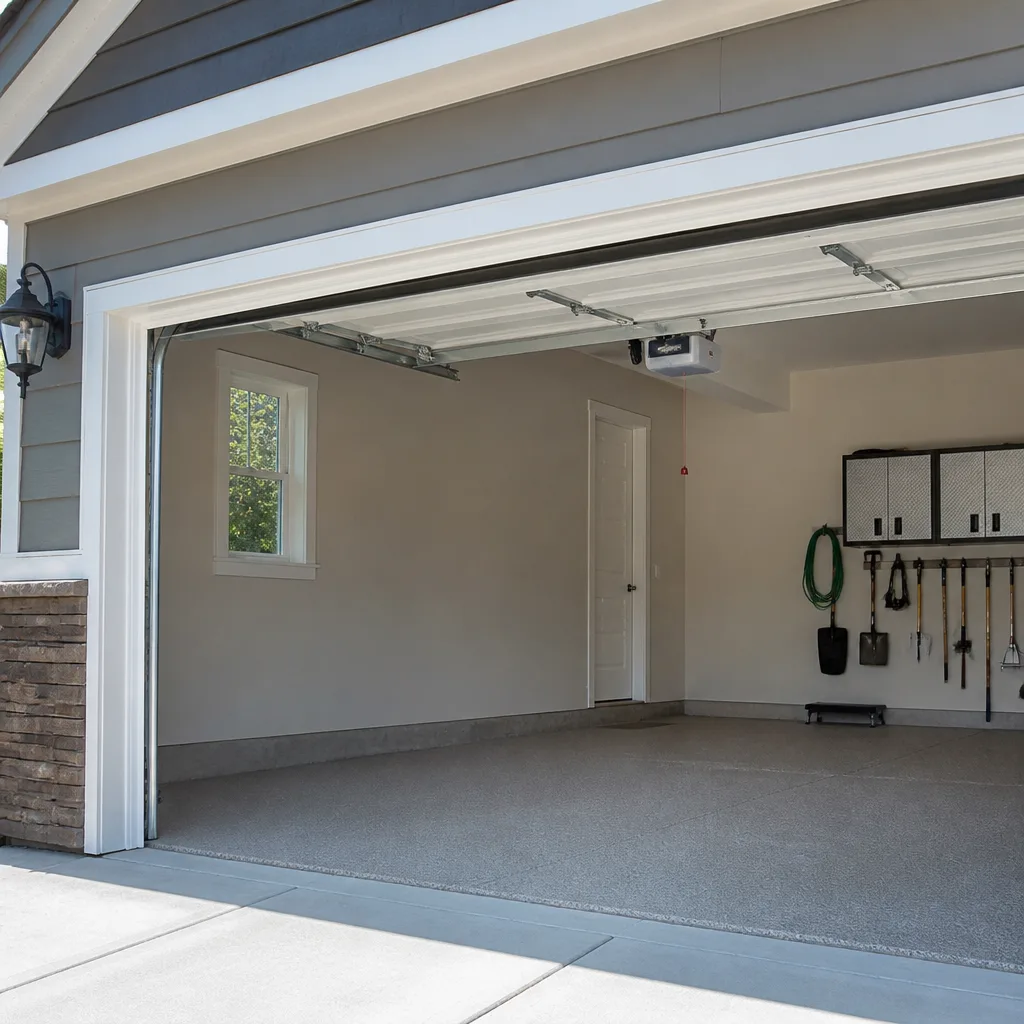 Chamberlain openers
Full 25-point door and opener safety check with every visit - springs, cables, rollers, tracks, and your LiftMaster or Chamberlain opener included
You get a price before we start. It does not change when the pro arrives.
Get your free estimateGarage Door Repair Maintenance Schedule: What to Do and When
Most homeowners treat garage door maintenance as one annual checkbox, and that’s exactly why doors wear out ahead of schedule. A typical residential door has 12 to 15 moving parts, and each one wears at its own rate. Rollers and springs don’t age together. Weather seals fail on a completely different clock than cables. Here in Washington Park, Colorado’s freeze-thaw cycles and dry summers add stress that generic maintenance advice never accounts for. In this guide, we’ll break maintenance down part by part, season by season, so you know what to check, when to check it, and what genuinely belongs in the hands of a trained technician.
Quick Answer
Check springs, cables, and rollers every six months, lubricate springs and hinges twice a year, and test the opener’s auto-reverse function monthly. In Washington Park, the two service windows that matter most are spring and fall, when big temperature swings stress metal parts hardest. Anything involving springs, cables, or the torsion assembly calls for a professional.
Styles & brands we work with
- Raised-panel steel
- Carriage house
- Modern flush
- Full-view glass
- LiftMaster openers
- Chamberlain openers
Table of Contents
- Why a Part-by-Part Schedule Beats an Annual Tune-Up
- How Colorado’s Climate Changes Your Maintenance Calendar
- Spring and Fall: The Two Critical Service Windows
- The Part-by-Part Service Intervals
- The Right Lubricant for Each Component
- Testing Your Opener’s Force and Auto-Reverse
- The 20-Minute DIY Checklist vs. Technician Work
- Common Mistakes to Avoid
- When to Call a Professional
Why a Part-by-Part Schedule Beats an Annual Tune-Up
A single “annual tune-up” sounds tidy, but it doesn’t match how doors actually wear. The parts inside your garage door system operate under wildly different loads and cycles, and they fail on different timelines. Treating them as one unit is how small issues turn into whole-assembly replacements.
Here’s the moving-parts inventory on a standard sectional door. Torsion springs carry the door’s full weight. Cables connect the springs to the bottom corners. Rollers ride in the tracks. Hinges connect the panels. The opener’s drive system (belt, chain, or screw) moves the whole thing. Each group wears on its own schedule:
- Springs: Rated in cycles, not years. High-use doors cycle more, so the clock runs faster.
- Rollers: Nylon rollers typically last 5 to 7 years before they wear out of round, even though they look fine from the outside.
- Cables: Can fray or stretch over years. A quarterly look catches trouble early.
- Weather seals: Fail on a “when they crack” basis, not a calendar. Colorado’s dry summers speed that along.
- Hinges and tracks: Wear slowly, but need lubrication twice a year to stay quiet and aligned.
What does this mean in practice? If you only service the door once a year, you’re likely catching one or two components in time and missing others. A part-specific schedule catches each one in its window. That’s the whole idea behind the guide you’re reading. We work on the brand you already have, and the technicians on our network see what fails first and when.
The most overlooked fact: manufacturers rate torsion springs in cycles, not months. A common spring spec assumes a certain number of open-and-close cycles, and it’s tested in a controlled environment. Real garages in Washington Park don’t run in a controlled environment. Cold snaps, dry heat, and daily use all eat into that rating before the spec would suggest.
How Colorado’s Climate Changes Your Maintenance Calendar
The standard maintenance calendar you’ll find in most guides was written for a mild climate. Denver-area conditions don’t play by that script. Freeze-thaw cycles, summer dryness, and the kind of temperature swings that can hit 40°F in a single day put metal parts under stress that a generic schedule never accounts for.
Here’s what actually happens to the door:
- Metal contracts in the cold. Torsion springs lose tension when temperatures drop. A spring that felt fine in October can feel noticeably weak on a January morning after a cold snap. That’s normal physics, but it means the tension check you’d do “once a year” should land in fall, before the cold arrives.
- Metal expands in the heat and dry air. Summer heat causes tracks and springs to expand slightly, and dry weather can shrink wood framing around the door. Tracks can go out of alignment. Rollers can start to bind. This is why late spring is the moment to check track alignment and roller condition.
- The dry cycle cracks seals. A sun-baked rubber seal gets brittle and splits. It won’t notify you. You’ll just notice daylight, drafts, or moisture getting in.
- Temperature swings stress every joint. Freeze-thaw cycling works on the whole assembly, not just the door. Hinges loosen, bolts back off, and cables that were fine last month can slacken.
The consequence is simple: a spring that seems fine for most of the year can fail at the worst moment because the climate has been quietly working on it. Annual tension checks, done before the cold arrives, are the practical fix in this region. If you’re not sure about the state of your springs, a professional inspection is cheap insurance compared to a door that stops working on a cold morning. You’ll find full repair capability through garage door repair if something has already gotten ahead of you.
Spring and Fall: The Two Critical Service Windows
In Washington Park, the two service windows that matter most are spring and fall, and it’s not arbitrary. They’re the points in the year when temperatures swing hardest and the door’s metal parts go from one state to the other. If you’re going to pick a time to do serious inspection, those are the two dates to circle.
Fall: The Pre-Winter Tension Check
Fall is the moment to check spring tension and balance before the cold sets in. Here’s how a fall inspection usually runs:
- Disengage the opener and manually test the door’s balance. Lift it halfway. A properly balanced door should hold there without drifting.
- Inspect springs for visible gaps or signs of wear. Don’t touch or adjust anything – spring tension is stored energy and adjusting it is a job for a trained technician.
- Look at cables for fraying or kinks near the bottom corners.
- Check that tracks are plumb and clear. A quick visual is enough for you; alignment itself is a technician task.
- Lubricate springs and hinges with the right product (more on that below).
- Test the opener’s auto-reverse. Cold weather makes the mechanicals tighter, and a marginal setting can slip out of spec.
Spring: The Warm-Weather Alignment Check
Late spring is when you check track alignment and roller condition as the metal expands in the heat. Rollers that were fine in winter can start binding in summer. Tracks that looked straight in November can show a slight bend. This is also the moment to look at weather seals, since the dry season usually cracks them first.
Why these two windows and not, say, middle of summer or middle of winter? Because the transition is where the stress lives. A door is most likely to reveal a developing problem right after the metal has moved from one extreme to the other. If you do one thorough inspection per year, make it fall. If you do two, make them spring and fall.
For a full inspection you can’t do yourself, professional technicians are the right call. Our technicians have up to 12 years of experience, and inspections are a standard part of what they handle. Full-spectrum work, from diagnosis to installation, runs through Garage Door Repair Washington Park, so you’re not bouncing between providers if the inspection turns something up.
The Part-by-Part Service Intervals
Here’s the schedule itself. Think of it as your reference table: which part, what interval, and how much is genuinely safe to handle yourself.
Springs: Annual Tension Check, Professional Only
Torsion and extension springs should get a tension and balance check once a year, ideally in fall. Never become the person who tries to wind or adjust a torsion spring – those carry stored energy well beyond what a homeowner can safely manage, and this is one of the most dangerous, most mishandled jobs in residential garage work. Professional only.
Rollers: Lubricate Every 6 Months, Replace Nylon at 5 to 7 Years
Rollers get lubricated on your six-month cycle. Nylon rollers should be replaced at roughly 5 to 7 years even if they seem fine. Worn rollers are a common source of noise and vibration and can damage tracks. If you hear a rumble that keeps coming back, roller replacement is often the answer. Replacement rollers are a standard part – you can source components directly through a repair specialist rather than waiting on a special order.
Cables: Quarterly Visual Inspection
Cables should be visually inspected four times a year. Look for fraying, kinks, or loose slack. Don’t try to adjust them. If you see something off, stop using the door and get a professional to look at it. Cables are under constant tension and a failed one is a safety event.
Weather Seal: Replace When It Cracks, Not on a Calendar
The bottom seal and side seals don’t wear on a schedule. Replace them when they crack, split, or let light through. In Washington Park, dry summers typically crack them before a wet climate would, so check them every spring and fall during your regular inspection.
Hinges and Tracks: Lubricate Every 6 Months, Check Alignment Annually
Hinges get lubricated on the same six-month interval as the rollers. Tracks should be checked for alignment once a year, ideally in spring. Never lubricate the tracks themselves – that’s a detail most generic guides get wrong, and we’ll cover why below.
Opener: Monthly Safety Test, Annual Drive-System Check
Run the auto-reverse and force test every month. Have the drive system (belt, chain, or screw) inspected annually. If you’re dealing with an issue on the opener side, garage door opener repair is the right service call, and shop familiarity helps – our technicians know the quirks of LiftMaster, Chamberlain, Genie, and the other brands you likely own.
| Component | Interval | DIY or Technician |
|---|---|---|
| Torsion/extension springs | Annual tension check (fall) | Technician |
| Rollers | Lubricate every 6 months; replace nylon at 5-7 years | Lubricate DIY; replace technician |
| Cables | Visual inspection quarterly | Visual DIY; adjustment technician |
| Weather seal | Replace when cracking | DIY or technician |
| Hinges | Lubricate every 6 months | DIY |
| Tracks | Lubricate never; alignment check annually | Inspection DIY; alignment technician |
| Opener auto-reverse | Monthly safety test | DIY |
| Opener drive system | Annual inspection | Technician |
The Right Lubricant for Each Component
Most garage door noise complaints can be traced to the wrong lubricant, not a worn part. The habit of grabbing whatever’s in the toolbox and spraying the whole mechanism is a common cause of squeaks, stuck rollers, and messy tracks. Different components call for different products.
White Lithium Grease: Springs and Hinges
White lithium grease is the right choice for the torsion spring and for metal hinges. It stays put under pressure and clings to the coiled surfaces. Apply a light film – you don’t need a heavy coat. Excess grease collects dust and grit, which does more harm than good.
Silicone Spray: Weather Seals and Rubber Parts
Silicone spray goes on the rubber seals and any rubber gaskets. White lithium on rubber can cause it to break down over time. Silicone keeps the seal pliable and slows cracking.
Nothing at All: The Tracks
This is the one most generic guides get wrong. Don’t lubricate the tracks. They’re designed to let rollers roll freely. Grease or spray on the tracks attracts dirt, and the dirt binds the rollers. If your tracks are noisy, the problem is usually the rollers or alignment, not the track surface.
What to Use on the Opener Rail
Most opener rails (belt, chain, or screw) don’t need lubrication. Chain drives can be lightly greased per the manufacturer’s recommendation. Belt drives shouldn’t be lubricated at all. When in doubt, check the opener manual, since the right product varies by brand. Craftsman and LiftMaster are two common names in Washington Park garages with clear recommendations in the manual.
If a component is noisy after you’ve lubricated it correctly, it’s usually a sign of wear somewhere else – a roller that’s out of round, a twist in the track, or a spring that’s loosened. A professional diagnosis sorts that quickly.
Testing Your Opener’s Force and Auto-Reverse
The auto-reverse test is the most important thing a homeowner can do monthly, and it takes under two minutes. It’s also the most likely safety feature to drift out of spec without you noticing. Garage door openers have two safety systems that need testing: the mechanical auto-reverse (obstruction detection) and the force sensitivity.
The 2×4 Auto-Reverse Test
Here’s the standard method, and it’s the one every manufacturer recommends:
- Lay a 2×4 flat on the floor in the center of the door’s opening.
- Stand clear of the door path but within reach of the opener’s controls.
- Press the opener remote to close the door.
- Watch what happens when the door hits the 2×4.
A passing result: the door contacts the 2×4, reverses direction, and returns to the fully open position. That’s the mechanical auto-reverse working as designed.
A failing result: the door stops on the 2×4 without reversing, pushes down hard enough to crush it, or reverses only after visible delay. Any of those means the opener needs adjustment or repair before you keep using it. The door is no longer safe to operate unsupervised.
Force Sensitivity Test
Force sensitivity is the amount of pressure the door applies before it starts to reverse. It’s related to auto-reverse but distinct. A door that requires a lot of force to lift, or that seems to slam shut, likely has a force setting that’s out of spec. On most modern openers the force dial is on the opener housing; older units may need the manual. If the force test reveals a door that’s working hard to move, that’s often a spring or cable issue, not an opener issue, and a technician should look at both.
What Failing Results Mean
An out-of-spec result means two things: (1) the door isn’t safe to run without supervision, and (2) something needs adjustment or repair. Sometimes it’s an opener setting. Sometimes it’s a worn spring, a stretched cable, or a binding roller throwing off the balance. The auto-reverse test catches all of it because the door behaves differently when the underlying mechanics have drifted.
If you get a failing result, don’t keep running the door expecting it to fix itself. Call us. We answer 24/7, and fast dispatch from 7am to 7pm gets a technician out to diagnose it.
The 20-Minute DIY Checklist vs. Technician Work
Some maintenance is safe for homeowners. Some is genuinely dangerous and needs a trained technician. Here’s the honest split, without the hedging.
The 20-Minute DIY To-Do (Safe)
- Lubricate springs and hinges with white lithium grease twice a year. Two minutes per spring, five minutes total across hinges.
- Spray silicone on the weather seals once a year, or when you notice them drying out.
- Run the auto-reverse test monthly with the 2×4 method.
- Visually inspect cables quarterly – look, don’t touch.
- Clear debris from the tracks with a dry cloth. Never grease them.
- Look at the door’s balance with the opener disengaged. If it doesn’t hold in the middle, note it and call.
What Genuinely Requires a Technician
- Any spring adjustment, repair, or replacement. Torsion springs store enormous energy. A wrong move can cause serious injury. This is one of the more responsible reasons to call a pro – it’s not liability hedging, it’s how spring work is designed to be handled.
- Any cable adjustment or replacement. Cables are under constant tension. A slack cable that slips its drum is dangerous.
- Track alignment. Small adjustments look easy but throw off the door’s balance across the whole mechanism.
- Roller replacement. A worn roller that falls out mid-cycle can jam the door.
- Opener repair or reprogramming. Force settings, limit switches, and circuit-level issues need a specialist. If your opener has stopped responding, that’s the right call.
- Full door replacement or panel replacement. Measured and scheduled work, not a same-day task. A new installation is a decision, not an emergency – you can start with garage door installation when it’s time.
If you’re not sure which category a problem falls into, that’s its own answer. Anything you’re not confident about goes in the technician column. A free estimate costs nothing and a wrong guess costs a lot more.
See the difference
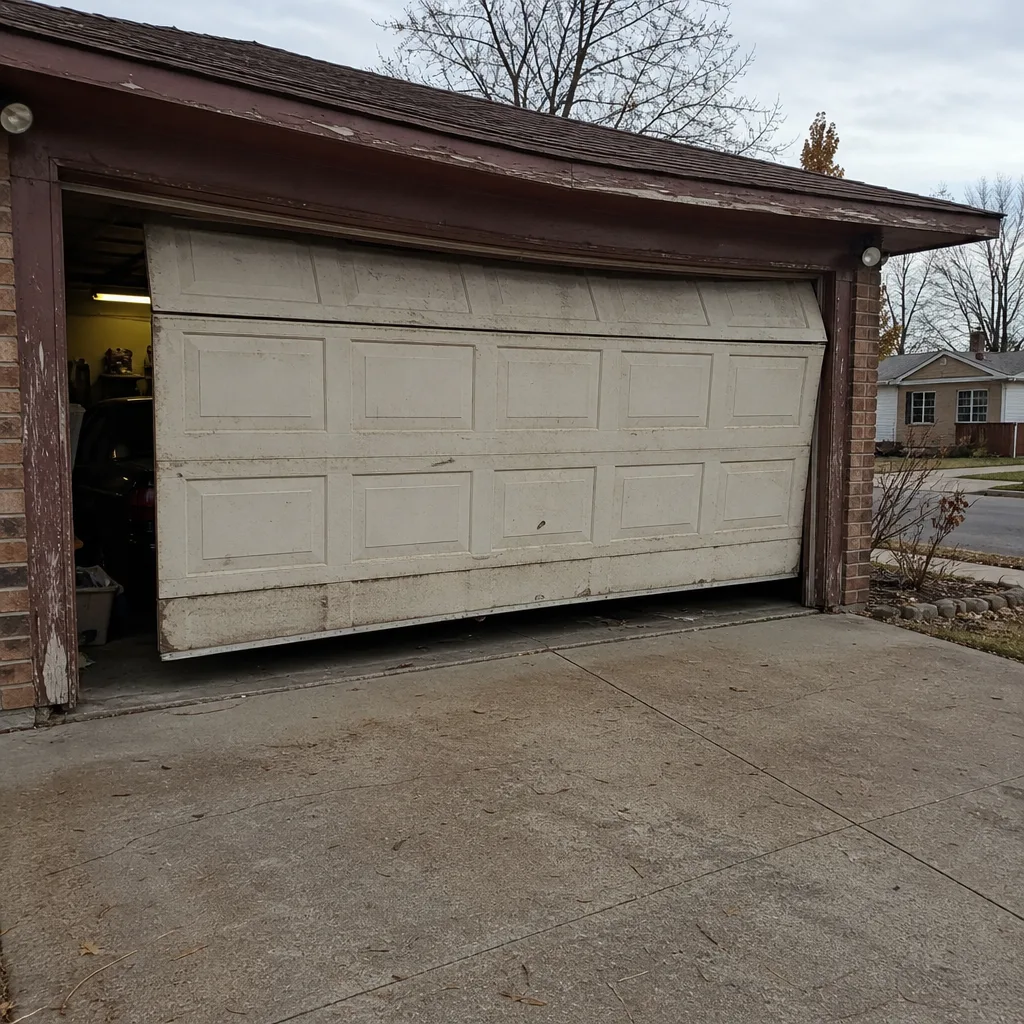 Before
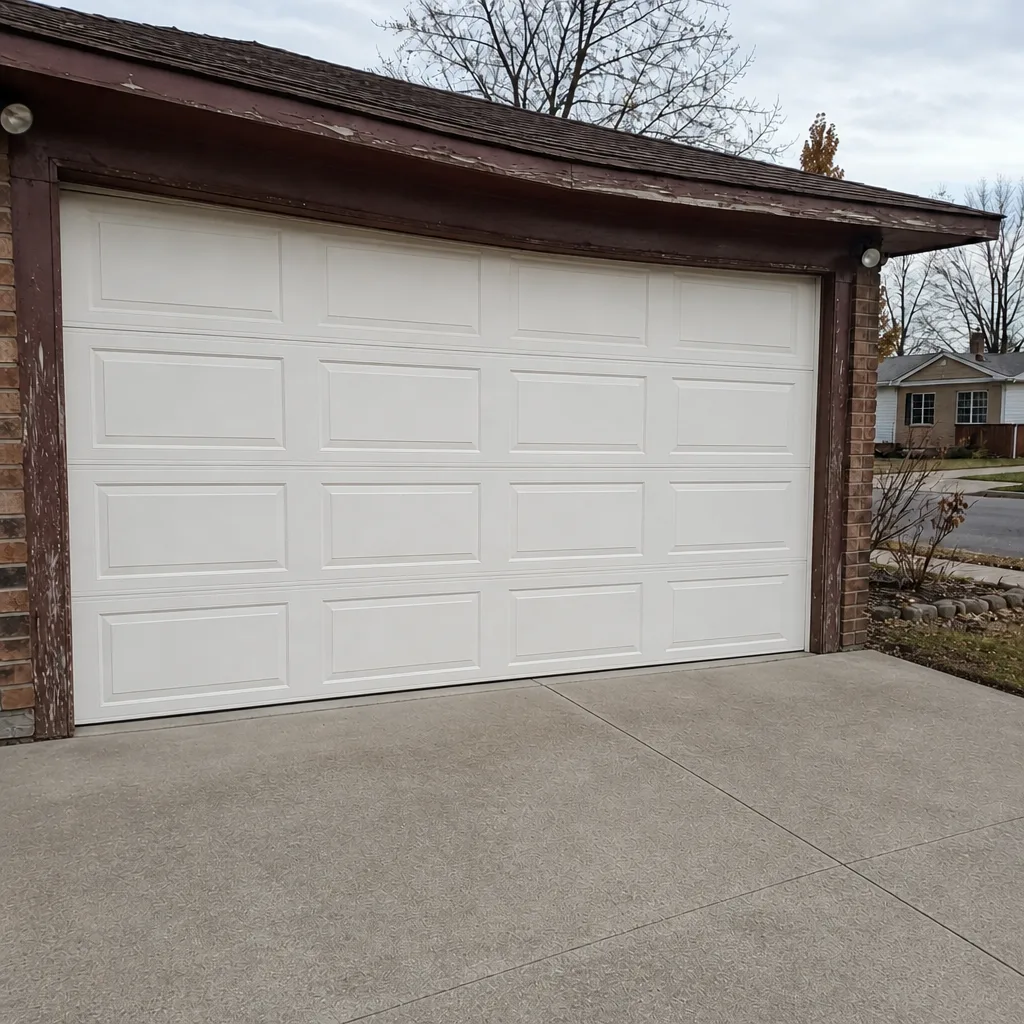 After
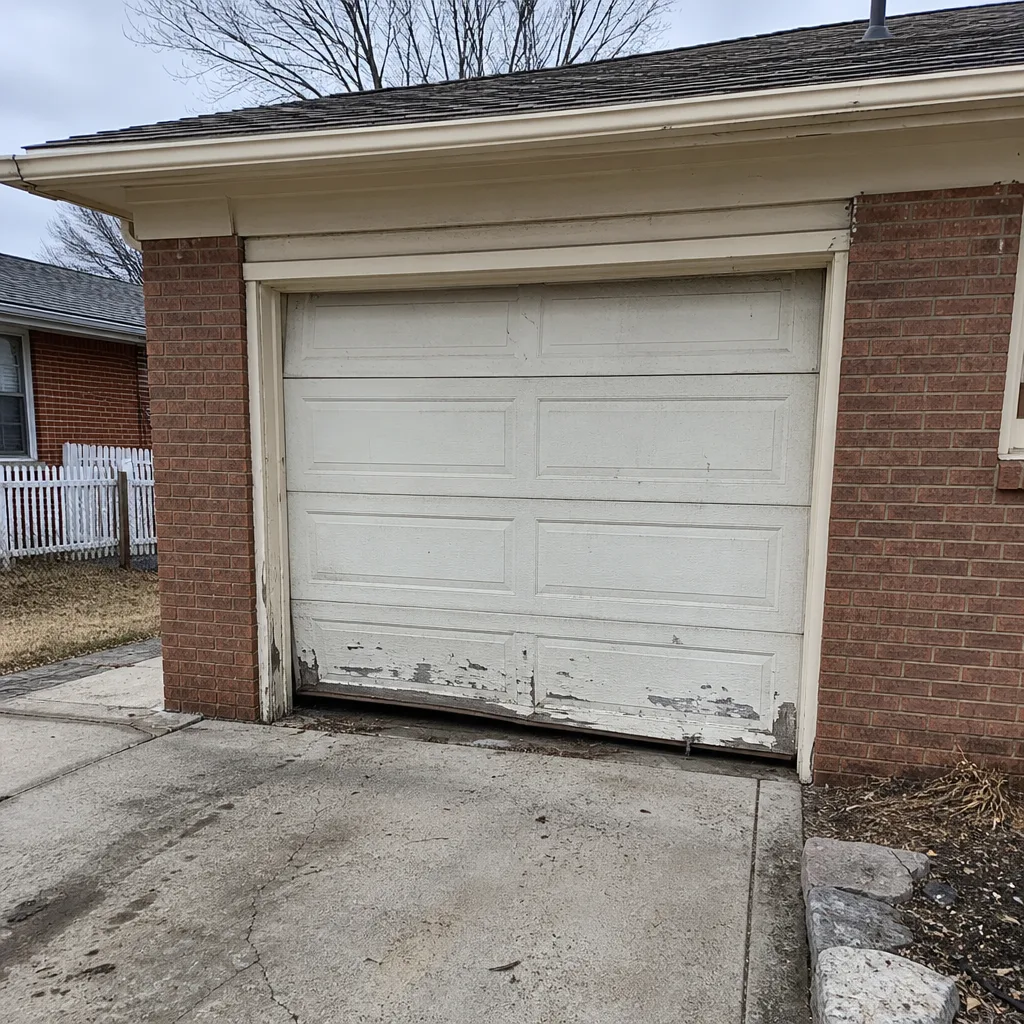 Before
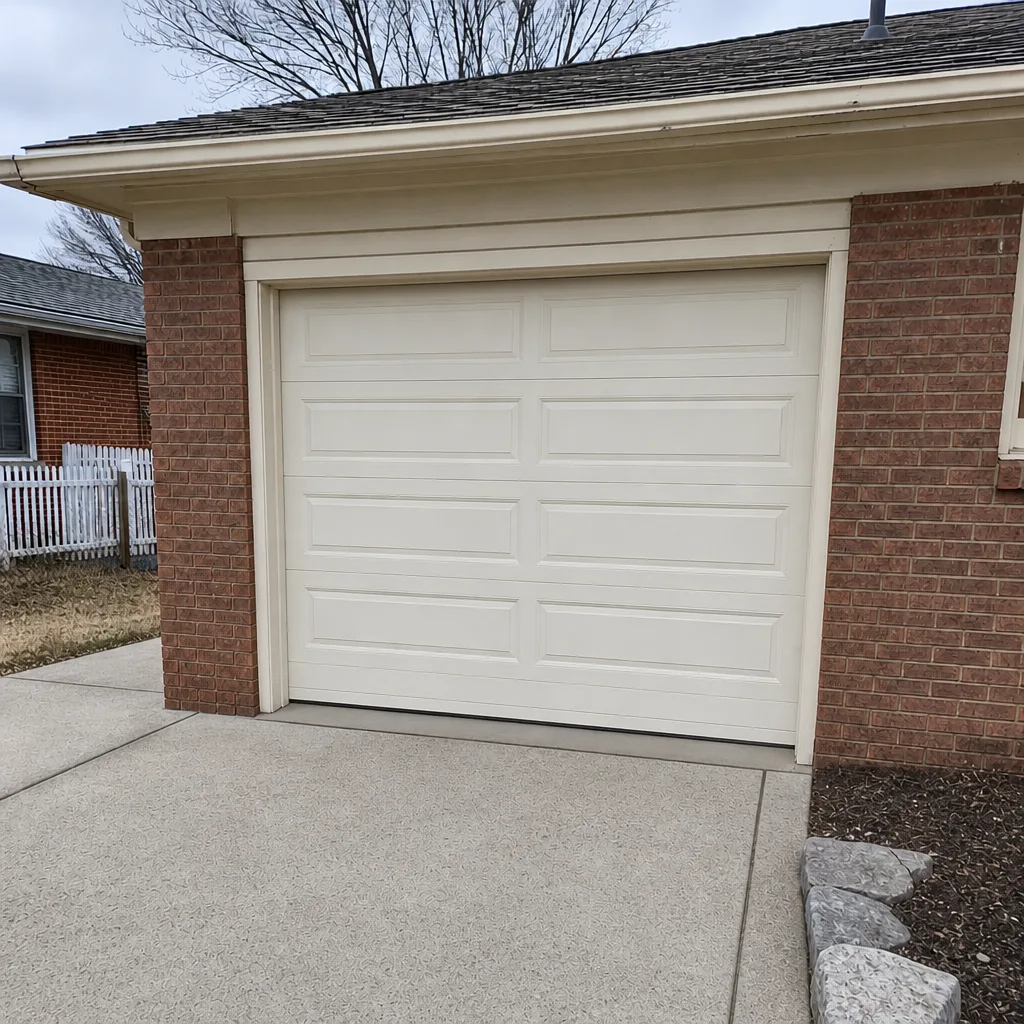 After
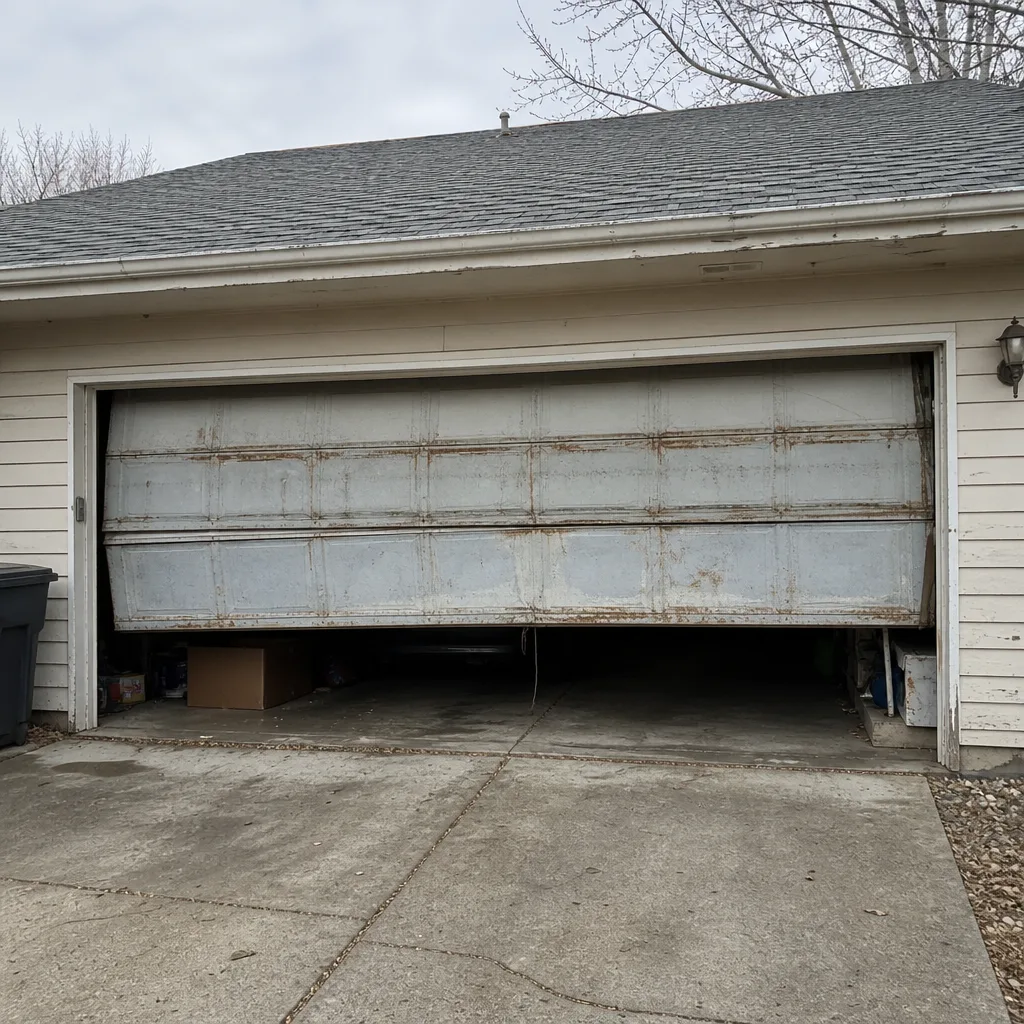 Before
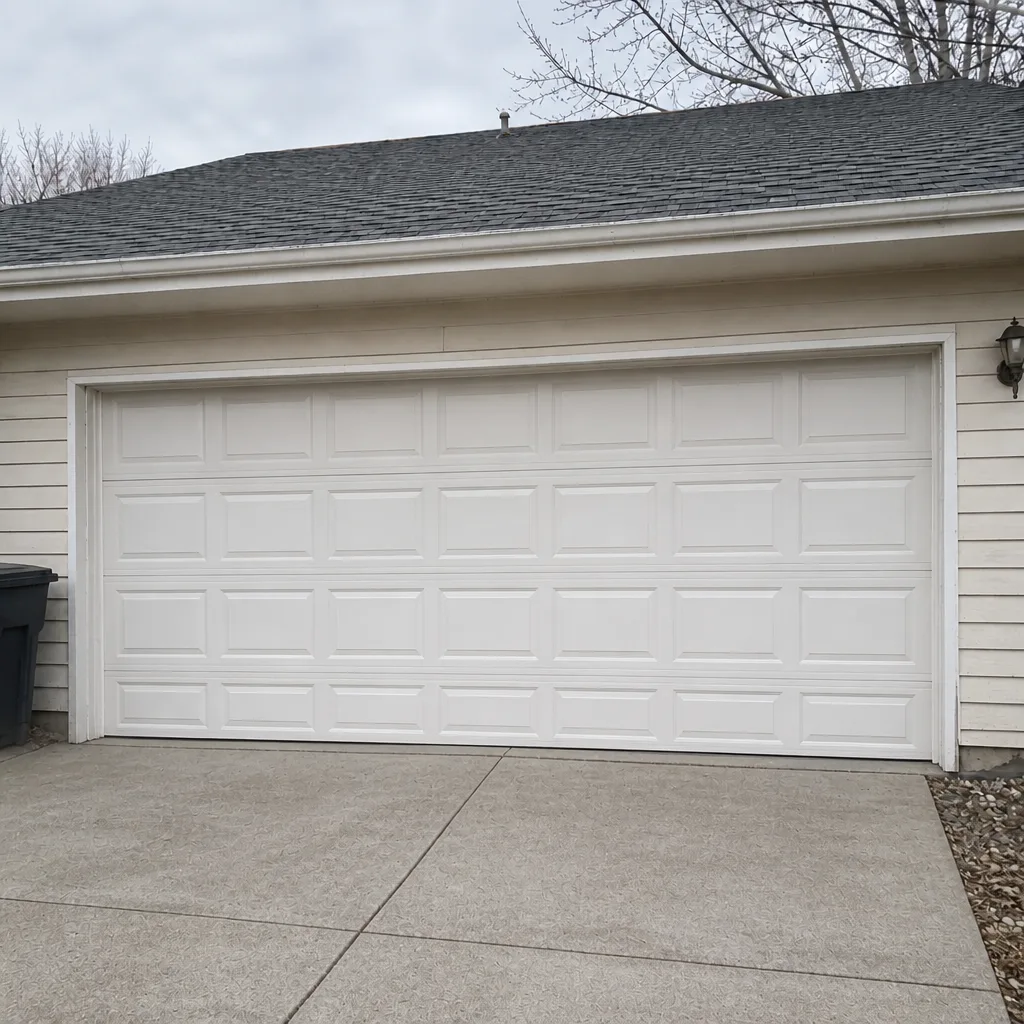 After
Common Mistakes to Avoid
- Treating maintenance as one annual event. If you only service the door once a year, you’re likely missing roller wear that happens on a five-to-seven-year clock and cable checks that should happen quarterly. A part-specific schedule catches the right part at the right time.
- Greasing the tracks. This is the single most common maintenance error we see in Washington Park. It attracts grit and binds the rollers. The tracks are supposed to be clean and dry.
- Using WD-40 as a spring lubricant. WD-40 is a water displacer, not a long-term lubricant. It evaporates and leaves the spring dry. White lithium grease is the correct product.
- Skipping the auto-reverse test. It’s a two-minute monthly check, and it’s the one thing that catches safety drift before it becomes a failure. Every month, no exceptions.
- Ignoring a wobbling or noisy door because it still opens. A wobble is usually a warning sign of a failing roller or a track that’s gone out of alignment. Fixing it early is far easier than waiting for a failure.
- Doing spring work yourself. We get it – the videos make it look doable. Torsion springs can cause serious injury, and we won’t pretend otherwise. This is one of the repairs best left to a professional.
- Skipping the fall inspection because the door “feels fine.” The cold snap is when a marginal spring fails. The autumn check happens before the cold, not after the failure.
When to Call a Professional
Call a technician when you see or hear any of the following:
- A torsion spring with a visible gap or a door that won’t lift halfway.
- A cable that’s frayed, kinked, or slack on one side.
- An auto-reverse test that fails, or a door that slams shut.
- A door that’s out of balance when you test it by hand.
- A loud pop, snap, or bang, even if the door still works afterward.
- An opener that has stopped responding or is behaving erratically.
Spring work, cable work, track alignment, and opener repair are the four categories that most often need a trained technician, and all four are worth a free estimate before you buy anything. Garage Door Repair Washington Park offers free estimates in Washington Park – call (866) 369-6074. We answer 24/7. Fast dispatch from 7am to 7pm, Sunday through Friday. The price is quoted and agreed before any work starts.
Frequently Asked Questions
Twice a year, at a minimum: once in spring and once in fall. Colorado’s temperature swings put stress on springs, tracks, and hinges during the transition between seasons, so servicing right before and right after those transitions catches the wear that happens. A single annual service misses one of the two high-stress windows.
No. Torsion spring replacement is one of the most dangerous jobs in residential garage work, and it’s genuinely a professional task. Torsion springs carry stored energy at rest, and a wrong move can cause serious injury. Spring repair is a dedicated service because the job is specialized. For an exact quote, call (866) 369-6074 – estimates are free.
White lithium grease for springs and hinges, silicone spray for weather seals and rubber parts, and nothing on the tracks. The tracks should be clean and dry because grease attracts grit and binds the rollers. If you’re hearing noise, it’s usually a roller or alignment issue, not the track surface.
Lay a 2×4 flat on the floor in the door’s path and close the door. The door should contact the 2×4, reverse direction, and return to fully open. A passing result confirms the mechanical auto-reverse is working. A failing result means the door is not safe to operate without supervision until it’s repaired. Call (866) 369-6074 for an exact quote – estimates are free.
Nylon rollers typically last 5 to 7 years before they need replacing. Lubricate them every six months regardless of age. Worn rollers can damage tracks and create noise that feels like a bigger problem than it is. If the noise goes away with lubrication, the rollers are fine; if it returns quickly, replacement is the answer.
Replace the weather seal when it cracks, splits, or lets daylight or drafts in. There’s no calendar interval – the condition drives the replacement. Check it during your spring and fall inspections, and replace it as soon as it starts showing cracks.
The Bottom Line
Garage door maintenance in Washington Park works when you match the part to its own interval instead of trying to do everything once a year. Springs get an annual tension check, ideally in fall before the cold. Rollers get lubricated every six months and replaced at five to seven years. Cables get a quarterly look. Auto-reverse gets tested monthly. Spring and fall are the two windows that matter most in this climate. Do the 20-minute checklist yourself, and call a professional for anything involving springs, cables, tracks, or the opener’s internals. We work on the brand you already have, so familiarity is built in.
If your inspection turns something up, or you’d rather have a trained technician do the check for you, call Garage Door Repair Washington Park at (866) 369-6074 for a free estimate. We answer 24/7. Fast dispatch from 7am to 7pm, Sunday through Friday. The price is quoted and agreed before any work starts.
Written by the team at Garage Door Repair Washington Park.