
Last updated November 22, 2026
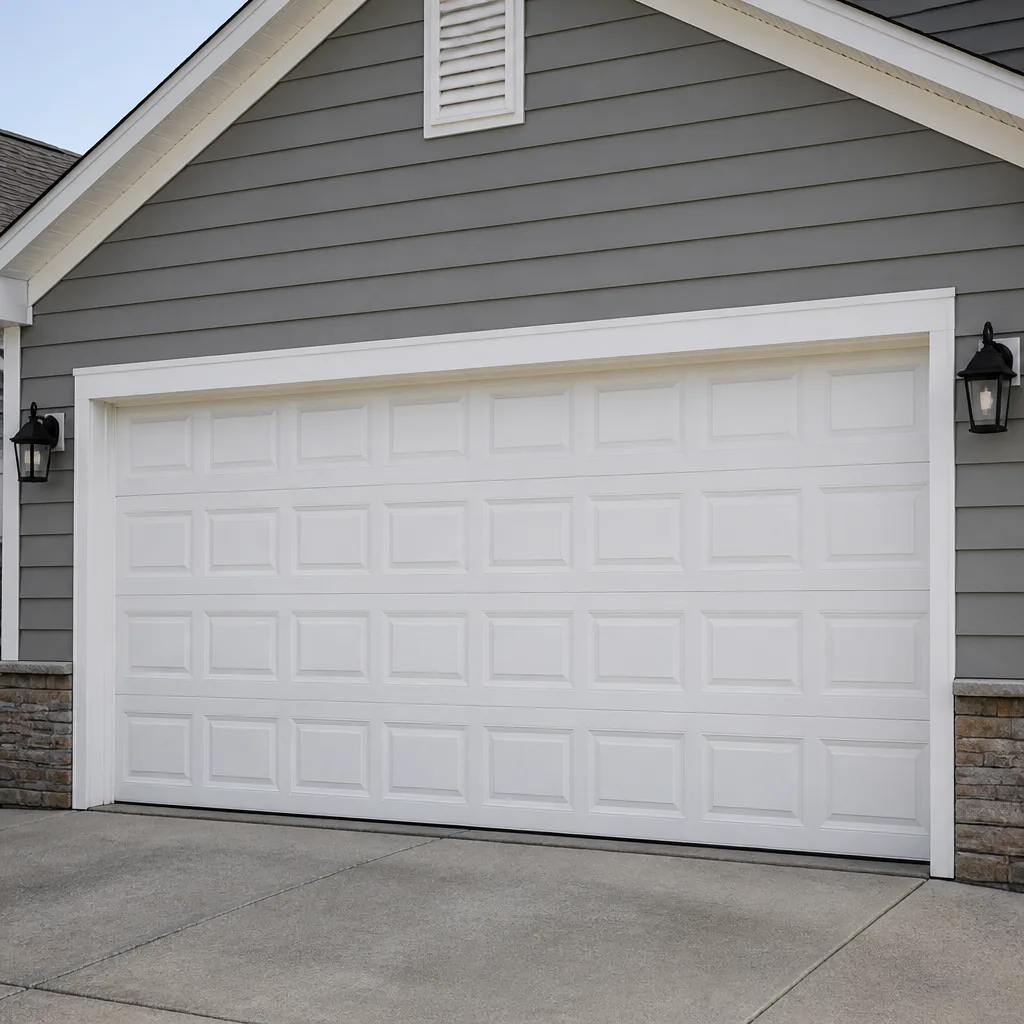 Raised-panel steel
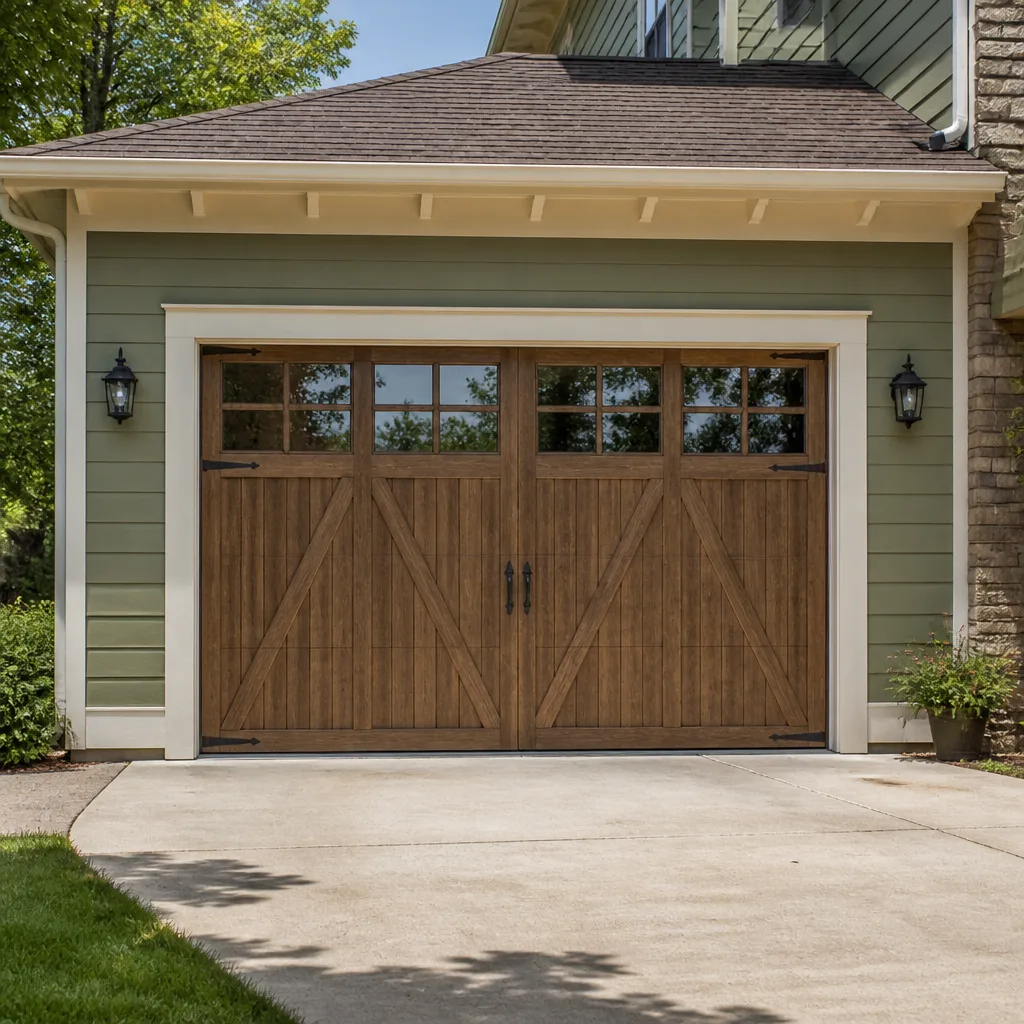 Carriage house
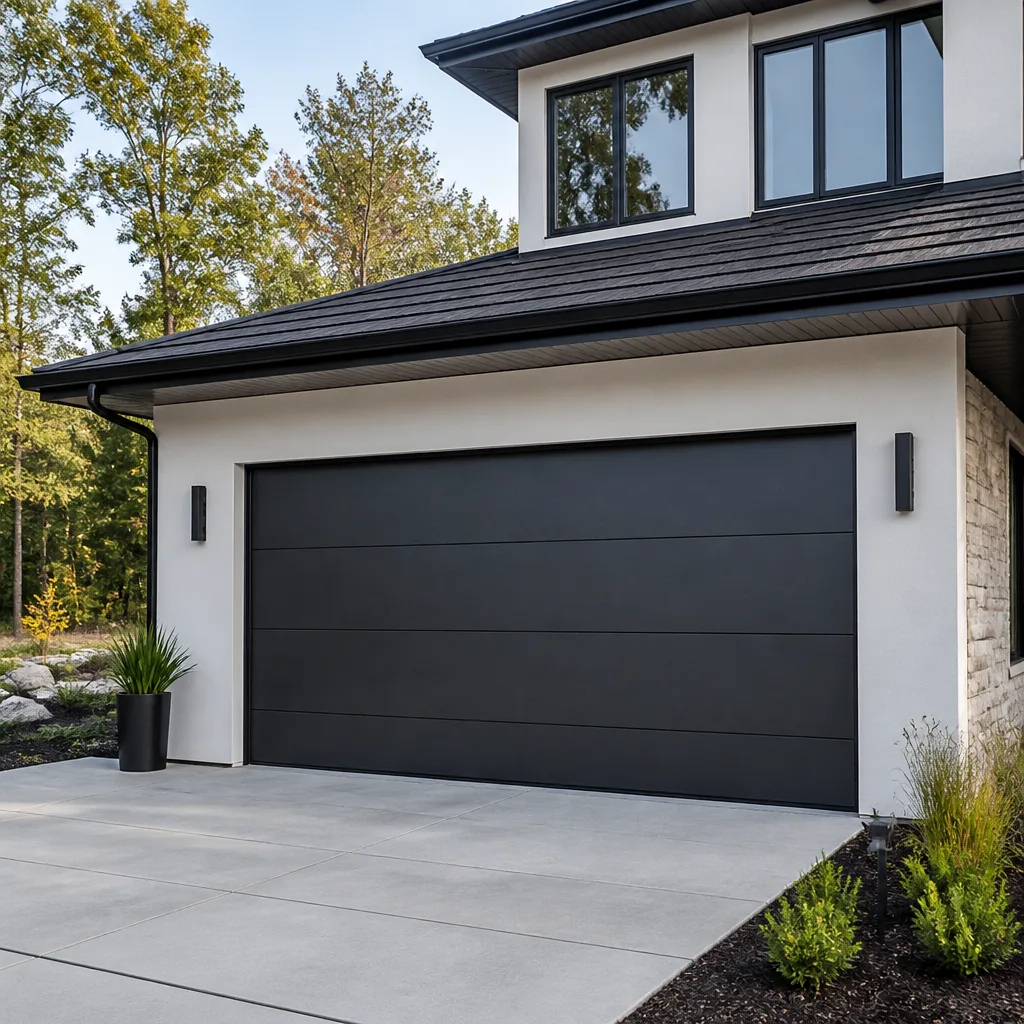 Modern flush
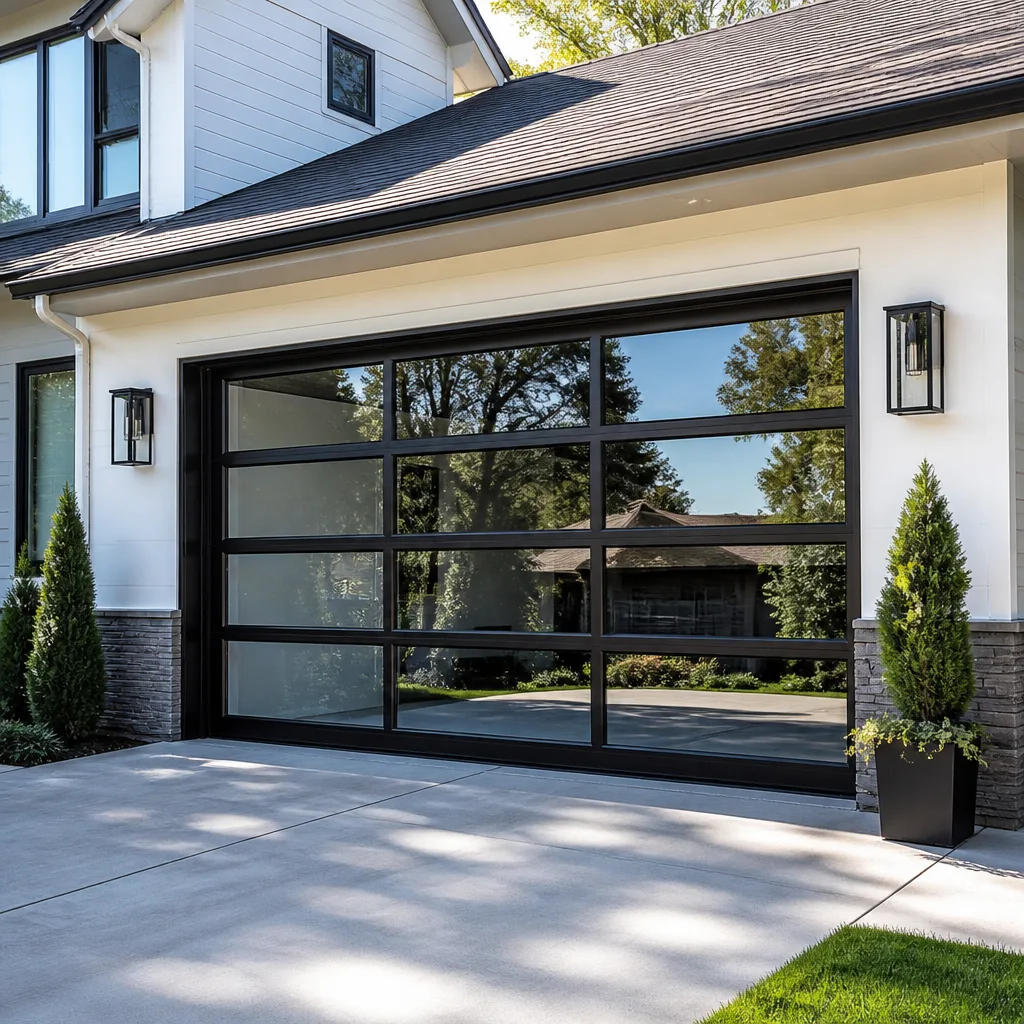 Full-view glass
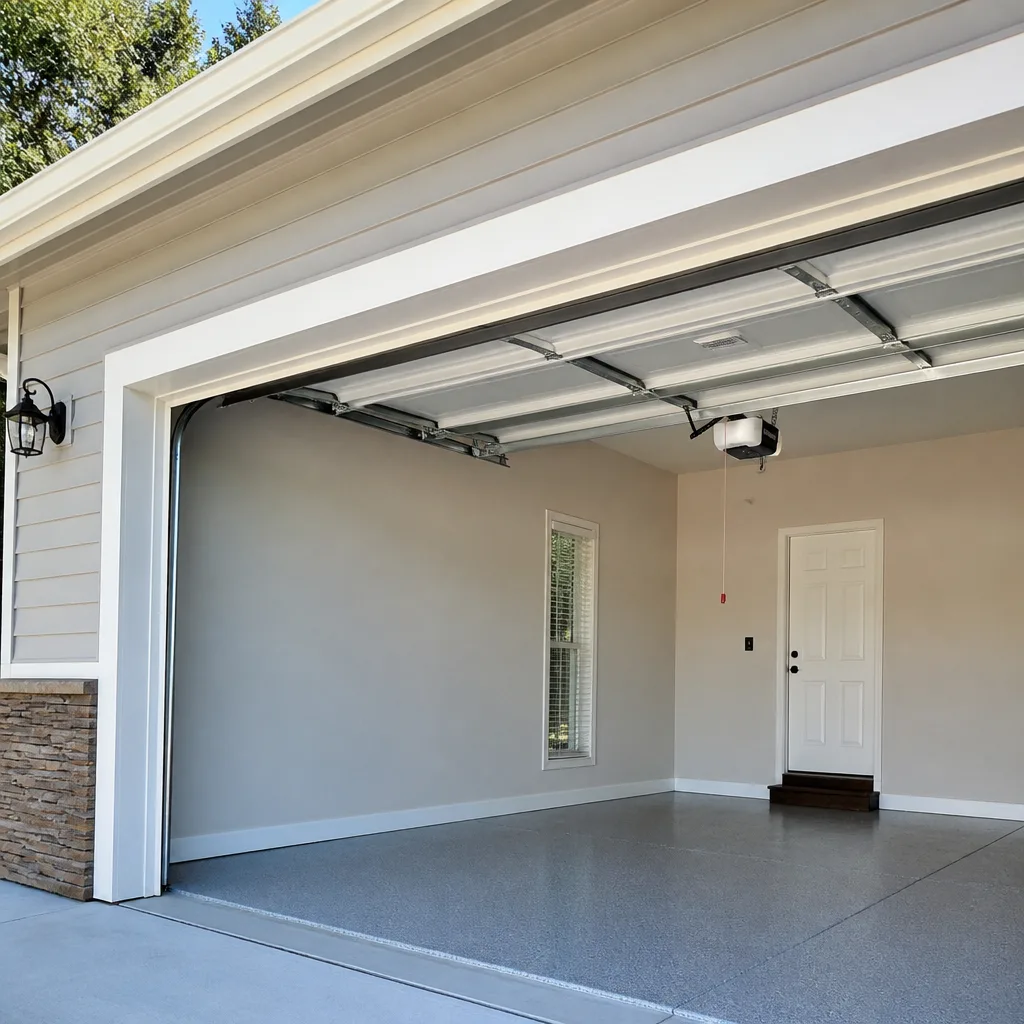 LiftMaster openers
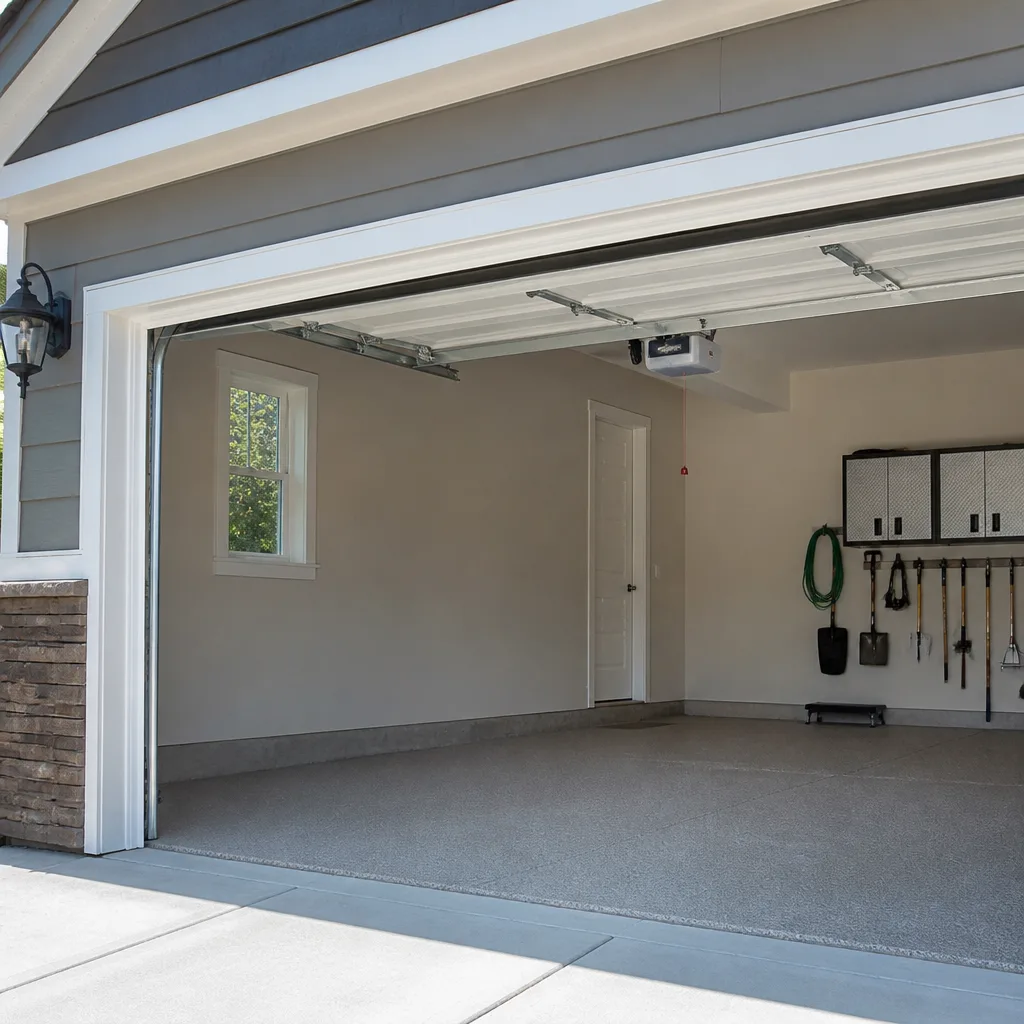 Chamberlain openers
Full 25-point door and opener safety check with every visit - springs, cables, rollers, tracks, and your LiftMaster or Chamberlain opener included
You get a price before we start. It does not change when the pro arrives.
Get your free estimateGarage Door Emergency Preparedness Guide for Washington Park Homes
The red manual release cord on your opener has a real chance of not working the way you expect if you’ve never tested it. Three things usually go wrong: the cable has slack from a door that was never re-engaged properly, the carriage is jammed on the rail, or the spring is broken and the door has become a dead weight you cannot lift by hand. Most Washington Park homeowners find this out at the worst possible moment, usually in January with the car trapped inside and the forecast heading toward 10°F. This guide walks through the emergencies that actually happen in this neighborhood and this climate, with concrete steps for each one. By the end you’ll know how to test your release system before you need it, what to do when a door sticks open in a snowstorm, and when a problem is a wait-until-Sunday call versus a stop-touching-it call.
Quick Answer
Garage door emergencies in Washington Park usually come down to four situations: a broken spring that leaves the door too heavy to lift, a door stuck open in cold weather, a power outage with a car inside, or storm damage that has knocked a panel out of alignment. The single most important preparation is testing your manual release cord now, while the door still works, so you know whether you can operate it by hand when the opener fails. For anything involving a broken spring, a jumped cable, or a door that has come off its track, stop and call a trained technician rather than forcing it.
Styles & brands we work with
- Raised-panel steel
- Carriage house
- Modern flush
- Full-view glass
- LiftMaster openers
- Chamberlain openers
Table of Contents
- How Do You Test the Emergency Manual Release Before You Need It?
- What Should You Do When the Door Is Stuck Open in Winter?
- Power Outage Protocol for Colorado Homes
- Broken Spring With the Car Trapped Inside: What’s Safe and What Isn’t
- Post-Hailstorm Assessment: Is a Dented Door Safe to Run?
- Why Cold Weather Breaks Springs in Washington Park
- What Belongs in a Garage Door Emergency Kit
- What Happens When You Call
How Do You Test the Emergency Manual Release Before You Need It?
You test the manual release by pulling the red cord while the door is fully closed, then lifting the door by hand a few inches to confirm the carriage has disengaged from the opener and the door moves freely. Then you re-engage it and run the opener once to make sure everything is back in sync. Do this once a season. It takes two minutes and it tells you whether the release will actually work when the power is out or the opener has died.
Here’s the sequence that works when the door still has spring tension:
- Close the door completely and confirm the opener has finished its cycle.
- Pull the red release cord straight down until you feel the carriage release. On most LiftMaster and Chamberlain units, you’ll hear a distinct click.
- Lift the door about a foot by hand. It should move with moderate resistance. If it feels like lifting a car, the spring is broken or badly out of adjustment; stop and do not force it.
- Lower the door gently and pull the cord again, or run the opener to re-engage the carriage automatically.
- Run the opener through a full open-and-close cycle to confirm the door reconnected cleanly.
The failure mode most people miss: after a power outage, the carriage can re-engage at a weird angle, and the door will run but the safety reverse may not trip correctly. That’s worth checking monthly. If your opener is a Craftsman or a Wayne Dalton unit with an older rail style, the re-engagement can be fussier and may need a second cycle. If the carriage won’t re-engage at all, that’s a call for garage door opener repair rather than something to fight with in the cold.
What Should You Do When the Door Is Stuck Open in Winter?
When the door is stuck open in winter, your priorities in order are: get the car out if it’s inside, secure the opening against weather and intrusion, and then decide whether the problem is a same-day repair or something that can wait until the next dispatch window. In Washington Park, a door left open during a cold snap also means pipes near the garage wall are exposed to the outdoor temperature, so closing the opening matters for more than security.
To secure a stuck-open door against the frame:
- Don’t force the door down. If a spring is broken or a cable has jumped, forcing it can bend panels or drop the door unevenly.
- If the door is fully open and resting on the horizontal track, you can often lower it slowly by hand with two people, one on each side, keeping hands away from the hinges and the gap between panels.
- Once it’s down, clamp a pair of locking pliers or C-clamps on the vertical track just above a roller on each side to keep the door from creeping up.
- Slide a bar or a piece of lumber through the track opening behind the door as a secondary stop if the door is on a slope or the springs are compromised.
- For a partially open door you can’t lower, screw a temporary brace across the frame opening or hang a heavy moving blanket over the gap and secure it to the frame with straps.
That buys you time. Whether it’s a call-now or a wait situation depends on the cause. A snapped spring or a door off its track is a call. A dead opener with an intact spring is often something you can live with for a day if the door is secured. In our experience, most Washington Park winter emergencies trace back to a spring that was already near the end of its life and failed on the coldest night of the month.
Power Outage Protocol for Colorado Homes
Xcel Energy outages along the Front Range tend to cluster in two seasons: summer thunderstorms and the wind events that roll off the foothills in late winter and spring. Outages are usually short, but they happen often enough that a battery backup on your opener is worth having, especially if your car sits in the garage overnight or you have a medical need to leave quickly. A battery backup opener (LiftMaster and Chamberlain both make models that run the door for a day or two of normal cycles on battery) keeps the door functional without the manual release. If you have an older opener from Amarr or another builder-grade unit, a battery backup retrofit is possible but usually means a new opener.
If the power goes out and you need to get the car out:
- Confirm the opener has no response at all (not just a dead remote battery).
- Pull the red manual release cord straight down, firmly.
- Lift the door by hand. If it’s heavy, stop and re-check whether the spring is intact.
- Leave the door in the open position while you move the car, then close it by hand and secure it if you’re leaving.
- When power returns, run the opener once and watch the carriage re-engage. Test the safety reverse by placing a roll of paper towels under the door and confirming the door reverses.
The most common damage we see after an outage isn’t from the outage itself. It’s from a homeowner who pulled the release and then ran the opener before re-engaging the carriage, which sends the trolley down the rail with nothing attached. That can strip the gear or snap the carriage. If you’re not sure the carriage re-engaged, run the door by hand first to confirm it’s connected to the carriage before you hit the wall button.
Broken Spring With the Car Trapped Inside: What’s Safe and What Isn’t
A broken torsion or extension spring turns a balanced door into a dead weight. That door can weigh 150 to 250 pounds depending on size and insulation. Lifting it by hand is possible in some cases and dangerous in others, and the difference is usually the door’s weight and whether the spring on the other side is intact.
Two people can sometimes lift a door with one broken spring enough to get a car out. Here’s the technique that works, and the threshold above which you should not try:
- Use two people, one on each side, standing at the bottom corners.
- Grip the bottom edge of the door at the frame, not the handle or the bottom bracket. Never put your fingers near the hinges or the spring.
- Lift with your legs, in one smooth motion, until the door clears the car’s roof line.
- Have a third person drive the car out while the door is held.
- Lower the door slowly and clamp it.
If the door is a double-car insulated model, or if it feels like lifting a car, stop. Panels can bend, glass can crack, and someone can get hurt. Above roughly 200 pounds of door weight, or any door with a broken spring and a visible bent panel, the safe call is to leave the door down and call for garage door repair. A technician can free the car without anyone lifting the door. Spring and cable work is the most dangerous part of this trade, and it’s the one repair we never recommend attempting without training. In our experience, the springs we replace most often in Washington Park are the same ones a homeowner has already tried to lift past.
Post-Hailstorm Assessment: Is a Dented Door Safe to Run?
A dented door is safe to operate if the panels are still flat in the tracks, the rollers are seated, and the door runs smoothly through a full cycle without hesitation or grinding. A door with panel deformation that has pushed a roller out of alignment, or bent the track, is not safe to run – the cable can jump off a drum and drop the door. The Front Range hail season runs roughly May through August, and Washington Park gets its share of storms that leave steel doors looking like golf balls.
How to assess after a hailstorm:
- Look at the door from the side, along the track. The track should be straight. Any bend, dent, or pinch point means stop.
- Check that all rollers are seated in the track brackets and that none are loose.
- Run the door one cycle by hand first, then with the opener. Listen for scraping, and watch that the door moves evenly on both sides.
- Look at the springs. If a torsion spring is unraveling or a torsion spring has cracks at the coils, call before running the door again.
- If the door runs clean and only the panels are dented, it’s a cosmetic question, not a safety one. The door is fine to use.
What we’d flag: a door with visible track damage should not be run, even once. That’s often when a cable jumps and the door drops. If a Wayne Dalton or Raynor door takes a hard hit on the bottom section, the bottom bracket can deform and the cable can slip its drum. If you’re not sure, call before you push the button. For a door that’s taken structural damage, a full garage door installation may be more economical than trying to straighten bent sections.
Why Cold Weather Breaks Springs in Washington Park
Cold weather makes steel springs brittle. The wire loses ductility as temperatures drop, and a spring that’s been cycling 3,000 to 10,000 times a year (the typical rated life of a residential torsion spring) will pick the coldest night of the winter to snap. Washington Park winters regularly dip into the teens and single digits, and that’s when we get the most spring calls. The pattern is consistent: an overnight temperature drop, a car leaving the garage in the morning, and a spring that lets go on the first cycle.
What you can do before cold weather arrives:
- Lubricate the springs, hinges, and rollers with a garage door lubricant (not WD-40) once in the fall. This reduces friction and wear.
- Run the door and listen for squeaks, pops, or roughness. Grinding usually means a roller or a bearing is failing, which adds load to the spring.
- Look at the springs for rust, cracks, or gaps between the coils. A gap means a break is close.
- Confirm the door balances. Disconnect the opener and lift the door to about waist height; it should stay there. If it drops, the spring is losing tension.
We work on the eight brands most common in Washington Park garages – LiftMaster, Chamberlain, Genie, Clopay, Amarr, Wayne Dalton, Craftsman, and Raynor – and the spring systems on each behave a little differently. Clopay and Amarr doors often use a standard torsion setup; some Wayne Dalton models use a proprietary TorqueMaster system that isn’t repairable the same way. If your door uses a TorqueMaster and the spring is broken, the fix is often a conversion rather than a straight repair. That’s worth knowing before a spring snaps in January.
What Belongs in a Garage Door Emergency Kit
A garage door emergency kit costs very little and saves a lot of frustration. Keep it in a labeled box on a shelf near the garage door, and check it once a year when you test the manual release. What’s in it matters less than having it in one place when the power is out and you’re searching for it by phone light.
- A pair of locking pliers or C-clamps (two, so you can clamp both tracks).
- A short piece of 2×4 lumber for use as a secondary track stop.
- A printed card with our number, (866) 369-6074, and the model name of your opener (look on the back panel of the opener housing).
- A flashlight with fresh batteries, kept separate from the one in the car.
- A can of garage door lubricant for the fall maintenance pass.
- A roll of heavy tape for temporary weather sealing around a stuck-open door.
One more thing: know your door brand before you call. Look at the door’s inside stile or the bottom bracket, and look at the opener’s housing. A quick photo of both saves time on the phone. If you know you’re running a Craftsman opener with a Chamberlain-compatible wall button or a Raynor door with a specific track radius, say so. It’s a head start, not a sales pitch.
What Happens When You Call
When you call a garage door emergency, the first question we ask is whether the door is up or down and whether the car is free. That tells us whether you’re in a hold-the-fort situation or a same-day repair. We answer 24/7 and dispatch Sunday through Friday, 7am to 7pm. A call outside those hours is booked into the next opening, Sunday through Friday, 7am to 7pm. If you’re stuck on a Saturday, we’re closed that day and will book you into Sunday.
For a broken spring, a door off its track, or an opener that’s dead with the car trapped, we can usually get out the same day the dispatch window opens. Same-day service applies to repair. New door installation and full replacement are measured, ordered, and scheduled; for those, we set up a free measure and a written estimate. The price is quoted and agreed before any work starts, and the written estimate is the price. No surprises on the invoice.
Before we arrive, have the door brand, opener model, and a description of the failure ready. If you can, don’t run the door. If you can’t leave it alone, keep the door down and clamped. Call (866) 369-6074. We answer 24/7. Fast dispatch from 7am to 7pm, Sunday through Friday.
Common Mistakes to Avoid
- Pulling the manual release while the door is open. The carriage disconnects, and the door can drop. Always pull it with the door fully closed.
- Running the opener after a manual release without re-engaging. The trolley runs down the rail with nothing attached and can strip the gear. Confirm the carriage is engaged before you hit the button.
- Try to lift a door with a broken spring yourself. A 200-pound door with no spring assistance can injure your back or drop on a hand. Call for spring work. It’s the most dangerous part of the job.
- Force a door that’s off its track. Bending the door back onto the track is a common DIY injury and often converts a repair into a full panel replacement.
- Assume the door is “just dented” after hail without checking the track. A bent track plus a deformed roller means the cable can jump and the door can drop. Run it by hand once before you trust it.
- Skip the fall lubrication pass. Dry springs wear out faster, and a Washington Park winter is exactly when you don’t want a spring to snap. A few minutes in October saves a same-day call in January.
- Guess the brand on your door or opener. Knowing you run a LiftMaster opener on a Clopay door (or a Genie on a Wayne Dalton) lets us bring the right parts or plan the conversion before we arrive.
See the difference
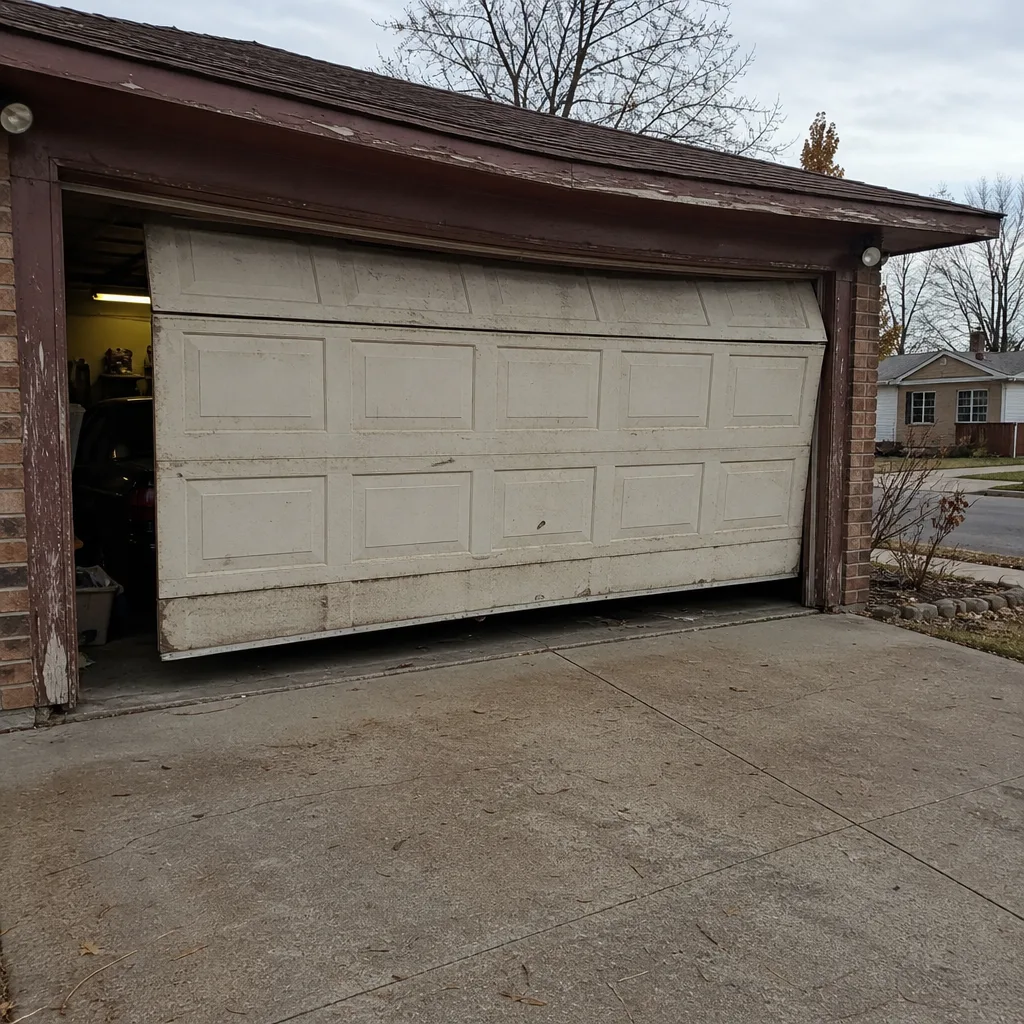 Before
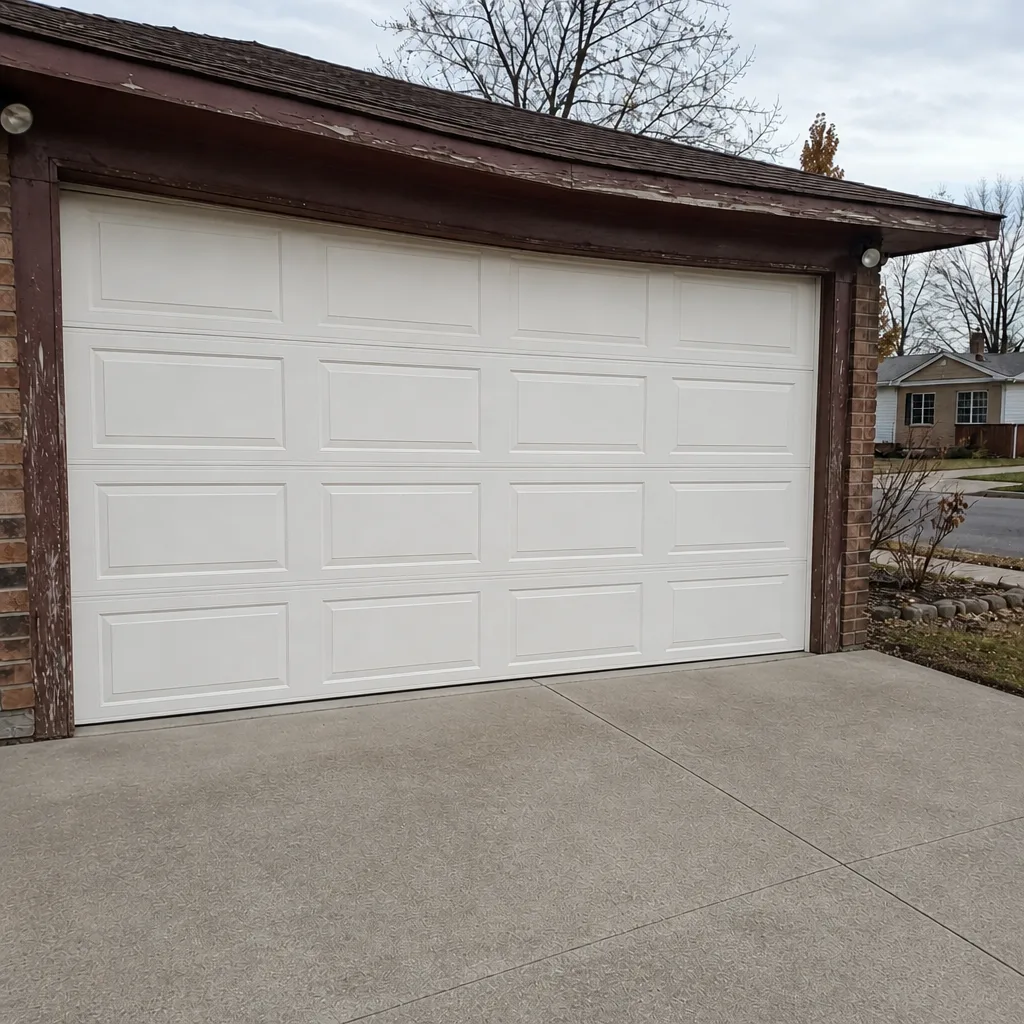 After
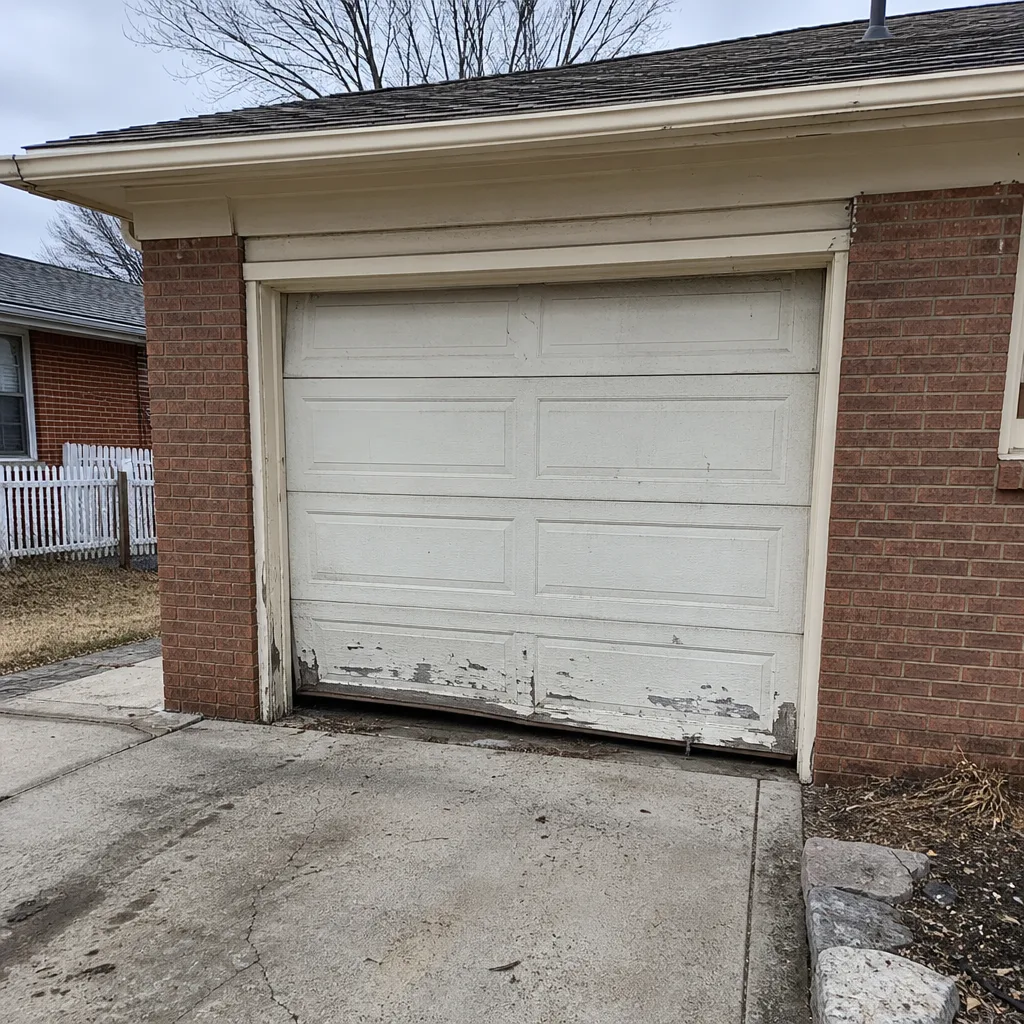 Before
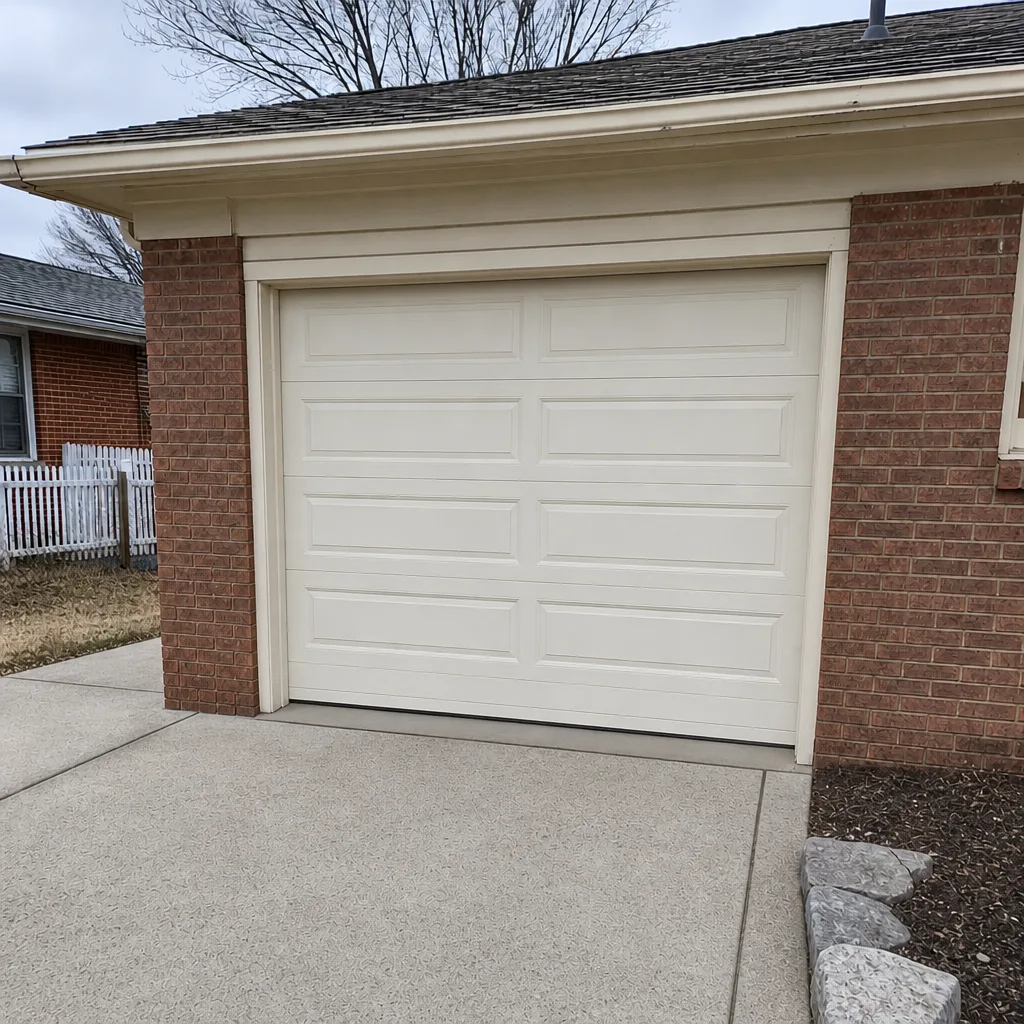 After
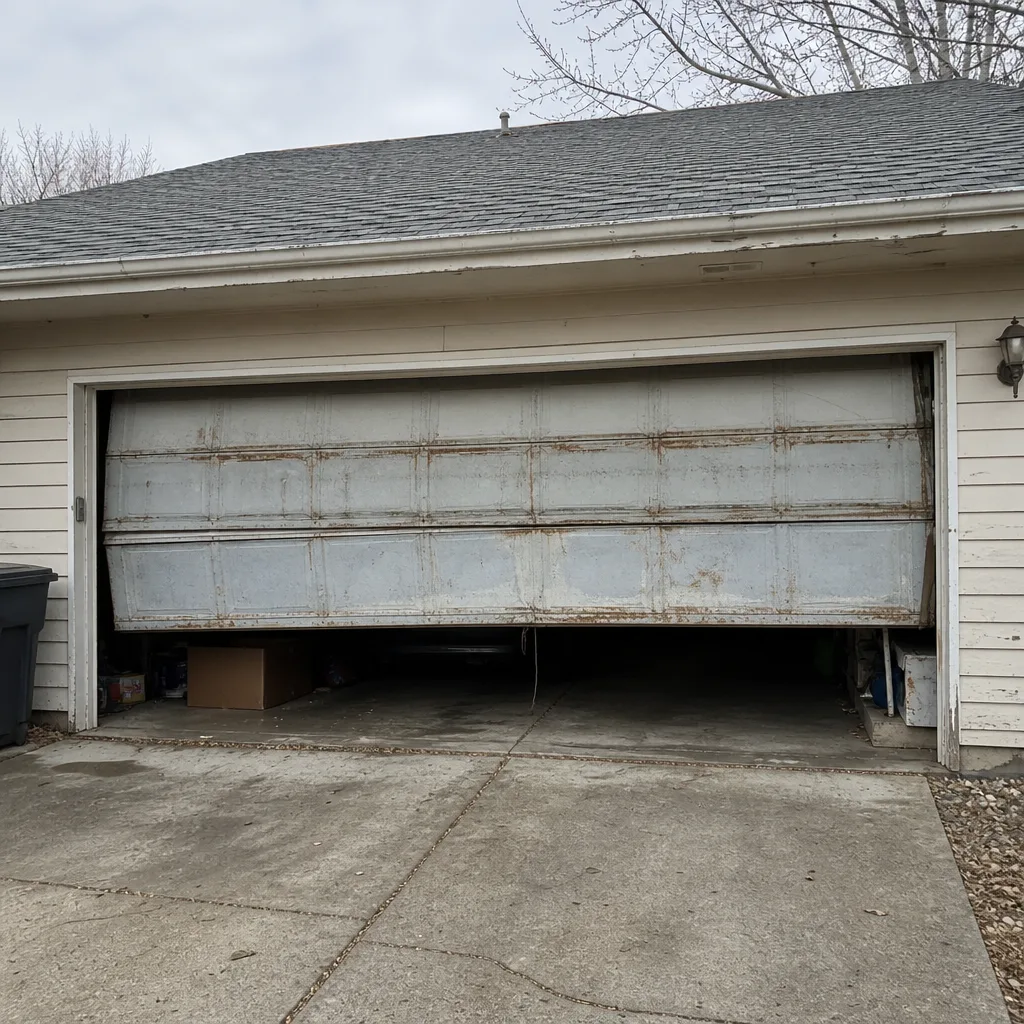 Before
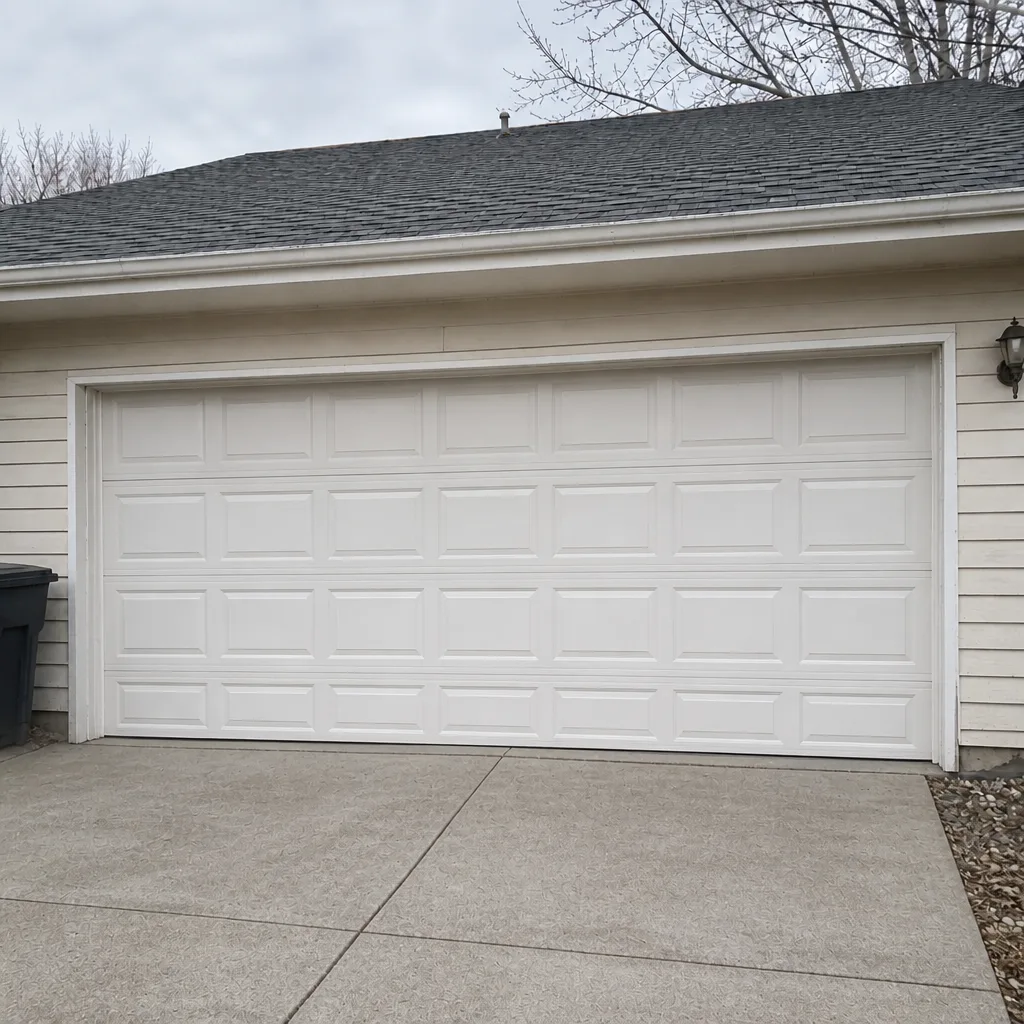 After
When to Call a Professional
Call a professional for any situation involving a broken spring, a jumped cable, a door off its track, a door that has dropped unevenly, or a lifting attempt that felt like more than you can safely handle. Springs and cables are the two components of a garage door that cause serious injury, and they’re the two we never recommend touching without training. Call us for a failing opener, a dead remote, a safety reverse that doesn’t trip, or a door that runs but scrapes. Also call if a door is stuck open and you need it secured faster than you can do it yourself, or if a hailstorm has left a door that won’t run cleanly.
Garage Door Repair Washington Park offers free estimates in Washington Park. Call (866) 369-6074. We answer 24/7. Fast dispatch from 7am to 7pm, Sunday through Friday. For a full breakdown of repair and replacement options, see our Garage Door Repair Washington Park page.
Frequently Asked Questions
Spring repair in Washington Park typically runs in the range of a few hundred dollars per spring, and a matched pair is usually replaced together, so a pair costs roughly twice a single-spring price. The exact number depends on the door’s size, the spring type, and whether any other components need work. The written estimate sets the final price, and it’s agreed before any work starts. Call (866) 369-6074 for an exact quote – estimates are free.
In most cases, yes, if you call within dispatch hours. We answer 24/7 and fast dispatch runs from 7am to 7pm, Sunday through Friday. A call outside that window is booked into the next opening. Same-day applies to repair, not to new door installation, which is measured and scheduled. Call (866) 369-6074 to check the current day.
No. The price is set by the written estimate and agreed before any work begins, so the number you approve is the price. If we find additional problems once we’re on site, we’ll walk you through them and get your approval before doing anything else. Call (866) 369-6074 for a free estimate.
The local professionals we connect you with are licensed and insured as their state requires. Our technicians have up to 12 years of experience and specialize in garage doors only, not general home repair. Call (866) 369-6074 with questions about the specific job.
Only if the door is light enough for two people to lift safely, usually a single-car door and only with one spring confirmed intact. Above roughly 200 pounds, or with any panel damage, don’t try. The safe call is to leave the door down, secure it, and call for garage door repair. Spring work should always be handled by a trained technician. Call (866) 369-6074 for same-day assistance.
Get the car out first if it’s inside, then lower the door by hand with two people if it’s safe, or clamp the tracks and hang a heavy blanket over the opening if it isn’t. Don’t force a door with a broken spring. Then call to schedule the repair. Call (866) 369-6074. We answer 24/7 and dispatch from 7am to 7pm, Sunday through Friday.
The Bottom Line
Garage door emergencies in Washington Park follow a pattern: the coldest night, the oldest spring, the untested release cord. The preparation that matters most is testing your manual release before you need it and knowing your door and opener brands. Once a spring breaks or a cable jumps, stop touching the door and call. For lighter failures – a dead opener, a stuck remote, a door that scrapes – we can usually handle it the same day. Know which situation you’re in, keep the car free if you can, and call before you force anything.
Call (866) 369-6074 for a free estimate. We answer 24/7. Fast dispatch from 7am to 7pm, Sunday through Friday. From a snapped spring to a full garage door installation, one call covers it.
Written by the team at Garage Door Repair Washington Park.